
Facilities
 Tickets and guided tours
A tour of Ryn Castle lasts approximately 1 hour. Tickets can be purchased at the castle reception.
Tickets and guided tours
A tour of Ryn Castle lasts approximately 1 hour. Tickets can be purchased at the castle reception.
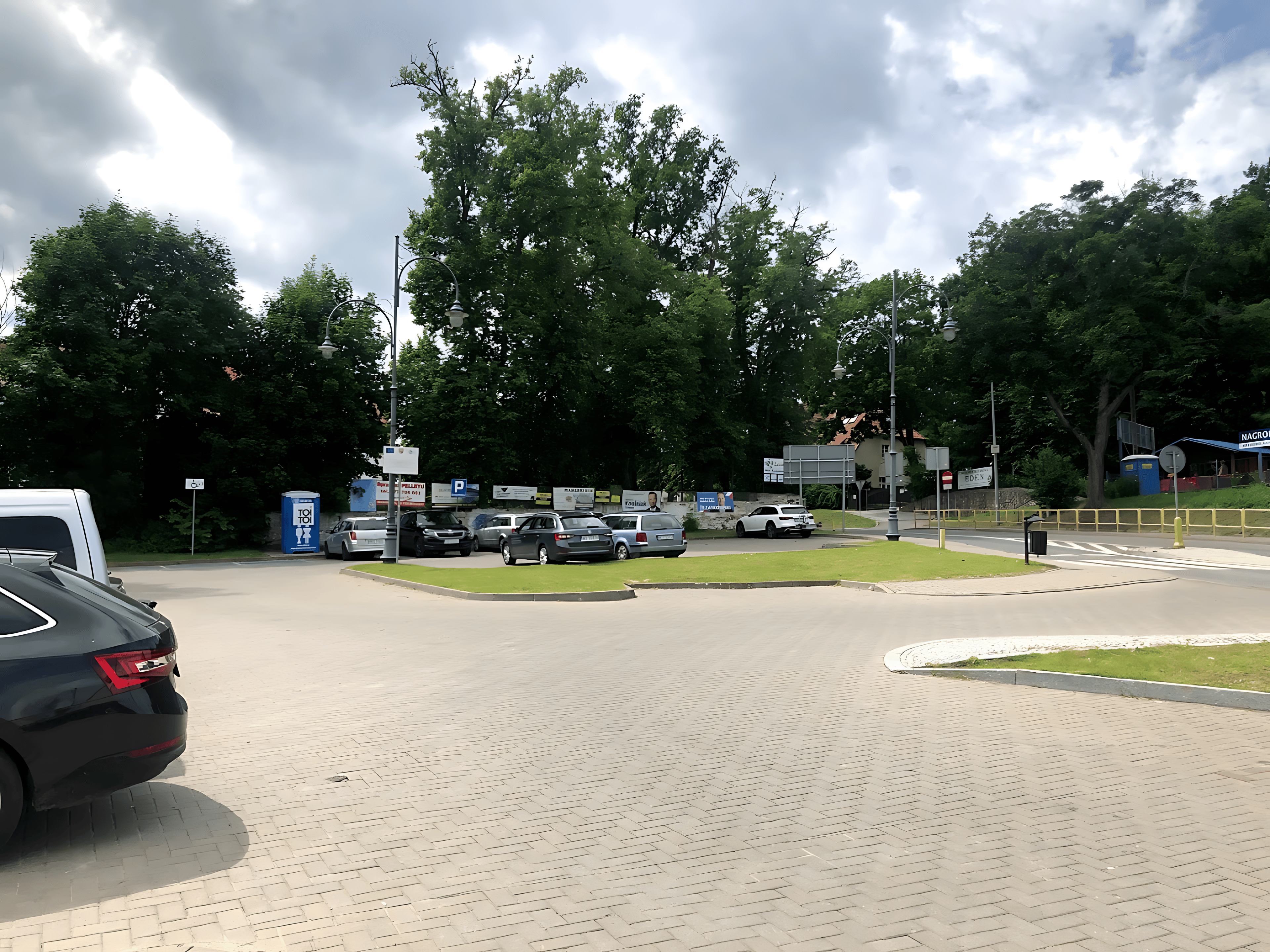
 Parking
 for tourists is located a short distance from the castle.
Parking
Parking for tourists is located a short distance from the castle.
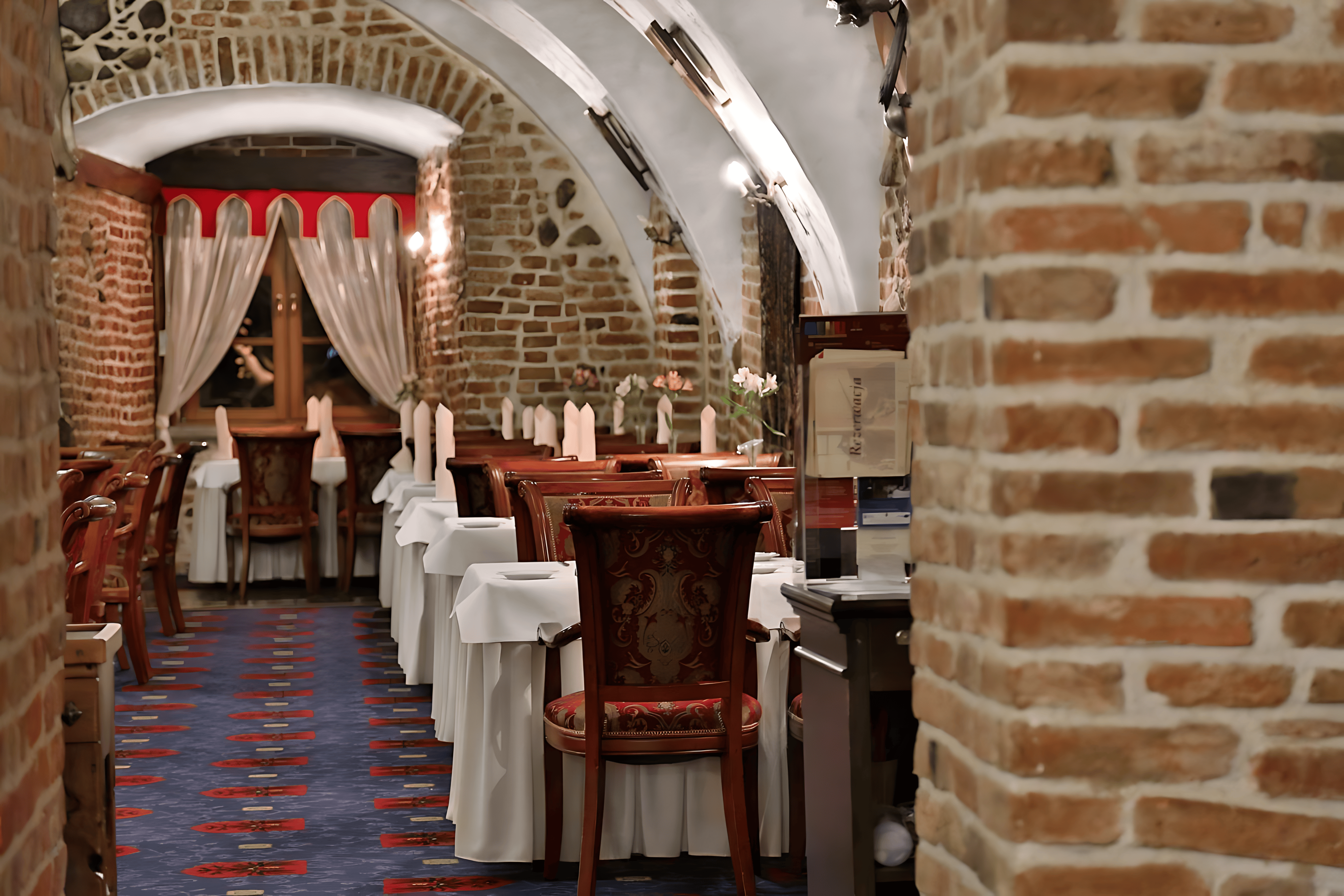
 Restaurant
A luxury restaurant lies within the castle grounds.
Restaurant
A luxury restaurant lies within the castle grounds.
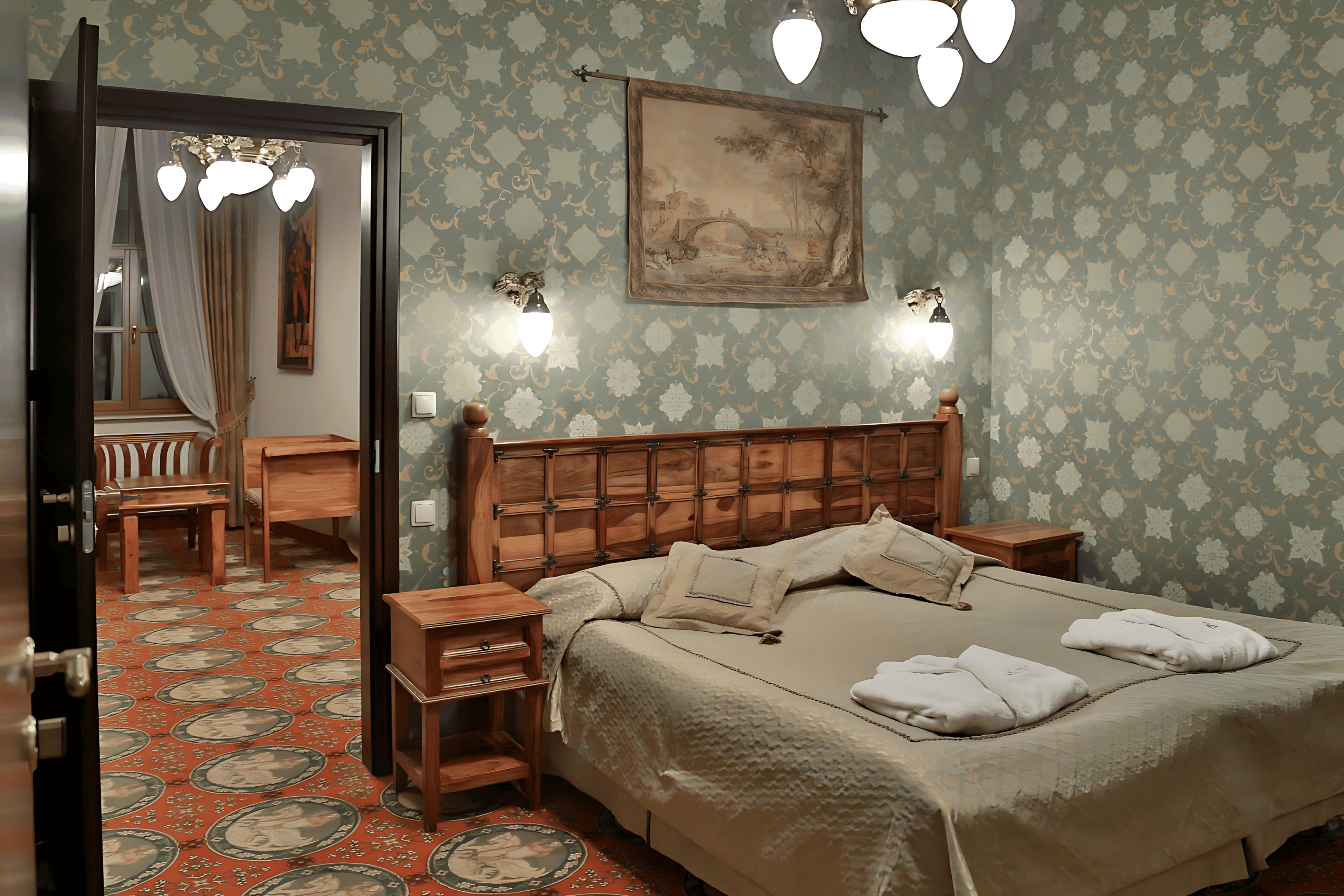
 Hotel
A hotel for visitors operates inside the castle.
Hotel
A hotel for visitors operates inside the castle.
 Souvenirs
There is a souvenir shop on the castle grounds, where tourists can buy regional products, souvenirs related to the castle and articles related to Masurian culture.
Souvenirs
There is a souvenir shop on the castle grounds, where tourists can buy regional products, souvenirs related to the castle and articles related to Masurian culture.
Ryn Castle was built in the 14th century and has gone through various stages of expansion and reconstruction over the centuries. Its original function was to protect the trade route and control the adjacent land. In the following centuries it witnessed numerous historical events, including wars and conflicts.
Genesis:
The origins of Ryn Castle date back to the 14th century, when construction work began on the order of the Grand Master of the Teutonic Order Ludolf König. The castle was of strategic importance, becoming a part of the defensive system of the Teutonic Order in the territory of Prussia. The erection of the castle was connected with the need to secure the trade route, which ran along the waterway from Upper Prussia to Mazovia. Initially, it could have been a wooden castle, but in time it was decided to build a masonry fortress. This strategic location on the trade route gave control over the flow of goods and increased the Order's influence in the region. In the following centuries, as the political situation and military importance of the castle evolved, it underwent various stages of expansion and modernisation. In the 16th century, new fortifications and forts were added as a result of progressive changes in defence technology. Ryn Castle also participated in the Hussite Wars and the Thirteen Years' War against Poland. In the 16th century, the secularisation of Royal Prussia took place and the castle passed into the hands of the Prussian princes. In later years, it served various functions, including serving as a nobleman's residence. During the Swedish wars and subsequent conflicts, the castle experienced repeated destruction, but also reconstruction and rebuilding. Its purpose changed over time until the 19th century, when it passed into private hands.
Conflict Period:
During the Swedish wars in the 17th century, the castle was a strategic object and was repeatedly the scene of fierce battles. Particularly during the Swedish Deluge (1655-1660), when the Swedes invaded the Republic, the castle was the target of sieges and attacks. In 1656, the Swedes captured Ryn, which led to the destruction and devastation of the castle. After the end of the war, the castle went through a period of reconstruction in the following decades. Reconstruction work was undertaken gradually, trying to restore the castle to its former glory. However, subsequent armed conflicts and wars, such as the Northern Wars, were able to affect the castle again and cause further damage. In the 19th century, as a result of political and social changes, the castle passed into private hands. This period was also a time of romantic fascination with the Middle Ages, which prompted many owners to take steps to restore the castle to its original character and romantic appearance. As a result of many years of reconstruction and modernisation, Ryn Castle has managed to preserve its historical heritage, despite the difficulties and destruction caused by armed conflicts. Today, the castle is a testimony to Poland's multi-layered history, from medieval times through turbulent periods of wars to the present day.

Architecture:
The architecture of Ryn Castle is a unique collection of elements characteristic of different eras, creating an eclectic and picturesque ensemble. However, the basic architectural features are Gothic in style, characteristic of the original 14th century building.
Gothic:
The original fortress, built in the Gothic style, included massive defensive walls, battlements, and a bastion to provide effective protection. Gothic details such as the soaring window layout, pointed portals, and intricate stonework added not only to the castle's defensive function, but also to its aesthetic elegance.
Stone Craft:
Architectural elements, such as the ornamentation of the columns, window frames, and stone façade details, bear witness to the sophisticated stonemasonry craftsmanship used during the construction and expansion of the castle.
Eclecticism:
Over the centuries, various architectural elements were added with successive modernisations, creating an eclectic character. Renaissance, Baroque and neo-Gothic elements were introduced later, giving the castle a stylistic richness.
Location and Environment:
Ryn Castle blends in perfectly with its picturesque lakeside setting. The park surrounding the castle and the carefully planned gardens add to the charm and create a romantic landscape.
Towers and Towers:
The towers and towers, characteristic of the Gothic period and serving both defensive and residential functions, form the characteristic outline of the castle. The lookout tower was an observation point, providing not only security but also the opportunity to admire the surrounding landscape.
Fortification elements:
Additional fortifications, such as fortifications and moats, attest to the original defensive nature of the castle and to the changing defensive needs over the centuries.
The architecture of Ryn Castle is therefore a fascinating combination of styles and functions that testify to the building's multi-layered history and adaptation to changing needs and tastes over the centuries. The long history of Ryn Castle provides a rich chronicle of changing times, politics, and culture, making it not only an architectural monument, but also a fascinating testimony to the history of the region.
Castle Today:
A combination of history, luxury and modernity, Ryn Castle is not only a tourist attraction but also a cultural and business centre, attracting visitors from all over the world.
Castle Museum:
Ryn Castle now serves as a museum that presents the rich history of the region and the castle itself. In the museum you can admire valuable exhibits documenting various periods and events connected with the castle and Masuria.
Hotel and Restaurant:
Ryn Castle has been transformed into a luxury hotel, offering high quality accommodation in a historic setting. The interiors have been carefully restored, combining tradition with modernity. The castle restaurant serves regional and international cuisine.
Conference rooms:
Ryn Castle is also a perfect place to organise conferences, trainings or business meetings. It has modern conference rooms, equipped with the necessary equipment, integrated into the historical context.
Sightseeing:
Guided tours are available for visitors to learn about the history of the castle and its most interesting nooks and crannies. Visitors have the opportunity to walk through the castle's halls, towers and courtyards, discovering the secrets of past centuries.
Cultural Events:
Ryn Castle is a venue for numerous cultural events, concerts, exhibitions and themed parties. Occasional celebrations and festivals are also organised here, attracting the local community and tourists.
Recreational Space:
With its picturesque location on Lake Lead, the castle also offers recreational activities. Guests can enjoy boat cruises, water equipment hire or walks on the surrounding walking trails.
The long history of Ryn Castle provides a rich chronicle of changing times, politics, and culture, making it not only an architectural monument, but also a fascinating testimony to the history of the region.


