Facilities
 Tickets and guided tours
Tourists can buy tickets for the tour directly at the castle. Tours are available only with a guide. The estimated duration of the tour is around 1.5 hours.
Tickets and guided tours
Tourists can buy tickets for the tour directly at the castle. Tours are available only with a guide. The estimated duration of the tour is around 1.5 hours.
 Parking
There is a paid car park for tourists below the castle.
Parking
There is a paid car park for tourists below the castle.
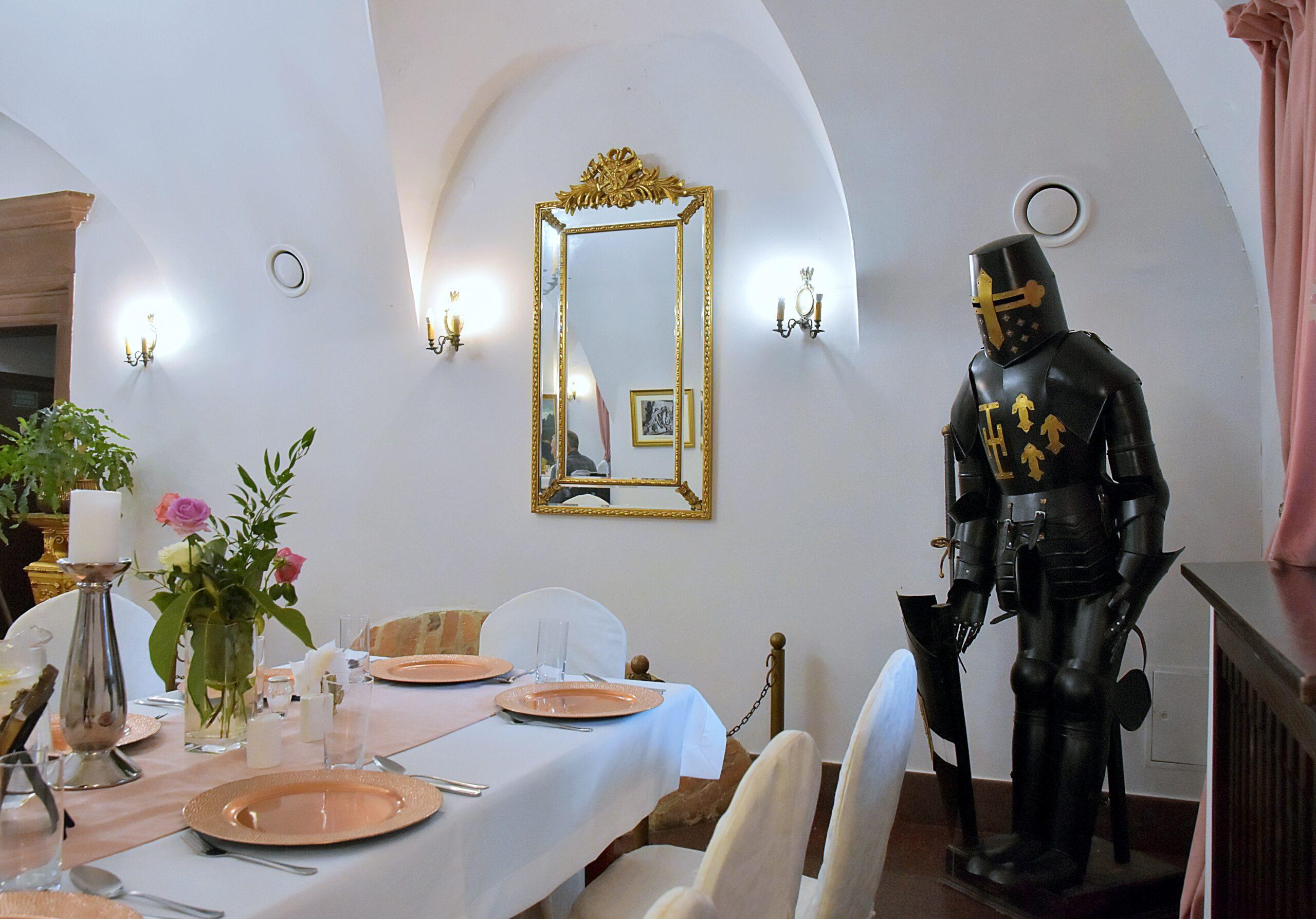
 Magnacka Restaurant
The castle is home to the elegant „Magnacka Restaurant”.
Magnacka Restaurant
The castle is home to the elegant „Magnacka Restaurant”.
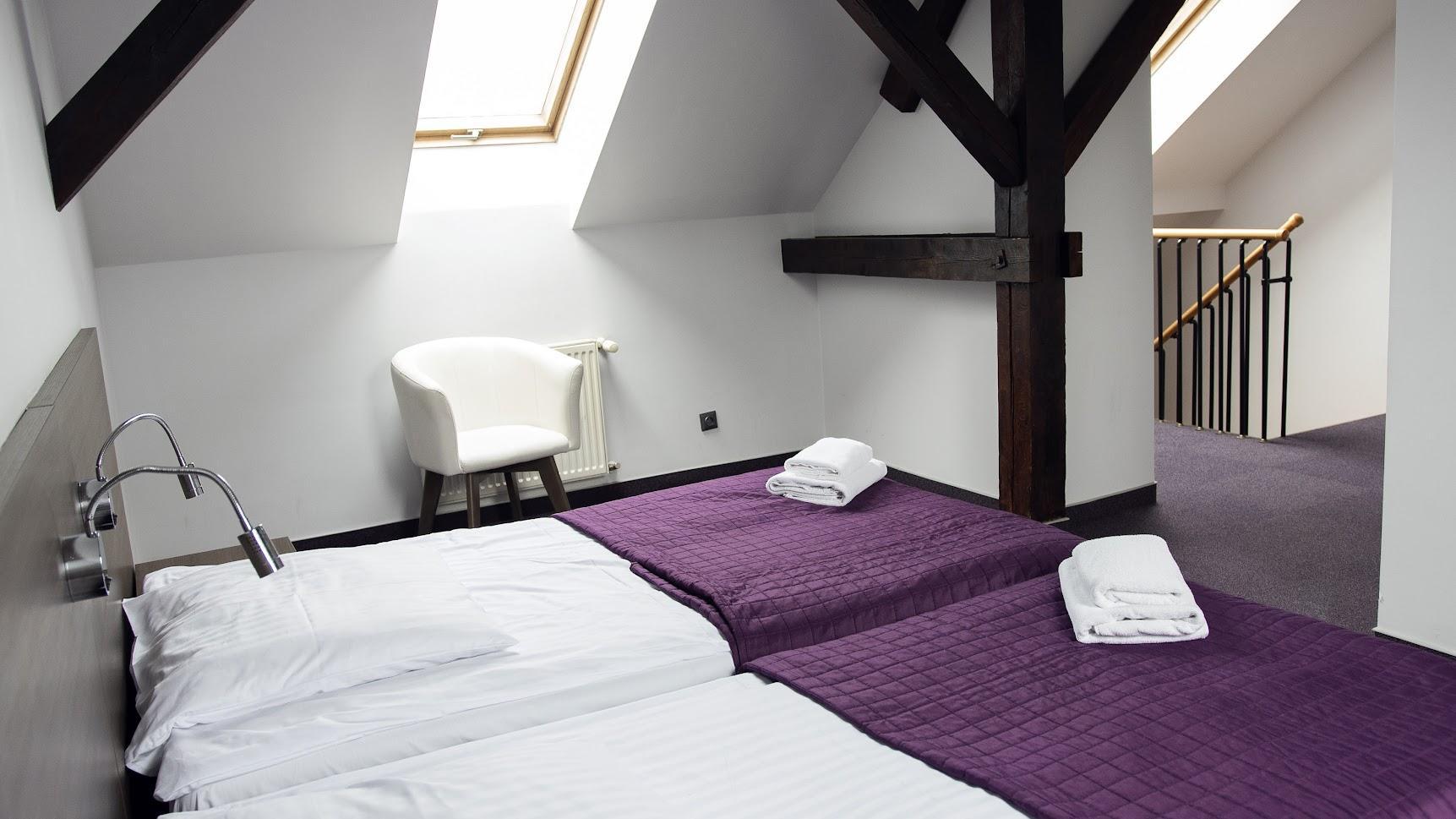
 Castle Hotel
There is a comfortable castle hotel on the castle grounds for guests.
Castle Hotel
There is a comfortable castle hotel on the castle grounds for guests.
 Souvenirs
There is a souvenir shop for tourists on the castle grounds.
Souvenirs
There is a souvenir shop for tourists on the castle grounds.
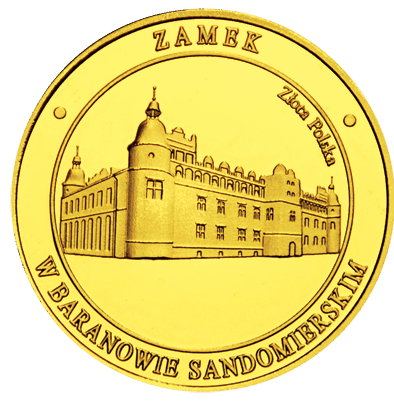
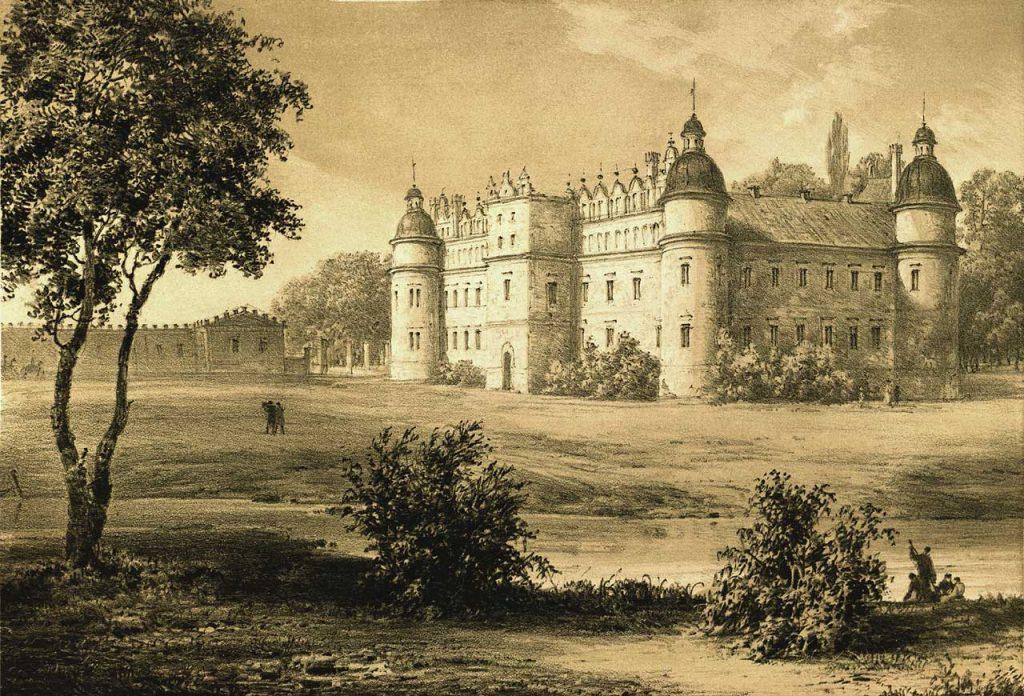
Baranów Castle is one of the most picturesque and interesting places in Poland, combining a rich history with the charms of Renaissance architecture. Erected in the 16th century by the Lanckoroński family, the castle is characterised by its distinctive architectural layout, a testament to the wealth and prestige of its owners at the time. The massive walls and towers surrounding the castle attest to its original defensive character, but it is the internal details, such as the crystal vaults and ornamentation, that reveal the true Renaissance character of the building. The castle's interiors delight visitors with a wealth of decoration, wall paintings and unique period furniture and artefacts. Baranów Castle has passed through various hands and stages of development over the centuries, each of which has brought something new to its history.
Genesis: Baranów Castle, located in a picturesque area of Poland, has roots going back deep into the Middle Ages. The genesis of this monumental structure is linked to the Lanckoroński family, one of the most important and influential magnate families in Poland in the 16th century. It was then, at a time of turbulent cultural, political and social changes, that the foundation for the castle was laid. The Baranow castle was first mentioned in the 16th century, which shows that this was an era when the Polish lands were experiencing intense architectural and cultural development. The Lanckoroński family, one of the most powerful magnate families of the time, wishing to make Baranów their residence, commissioned the erection of a fortress that was not only to serve as a place of residence, but also as an administrative and cultural centre. It was in this context that the castle was built, which was to be not only a symbol of the Lanckorońskis' power and influence, but also an important point on the cultural map of the region. Baranów Castle witnessed many important historical events, including conflicts, political alignments and changes of power, which only confirms its importance in Polish history. Over the following centuries, the castle underwent various modifications, adapting to changing needs and tastes. Nevertheless, its original character and architectural beauty remained intact, making Baranów Castle one of the most important monuments of the Polish Renaissance.

Development and Expansion (15th-16th centuries): In the 15th and 16th centuries, the castle underwent significant reconstructions, which gave it a Renaissance character. The Lanckoroński family, who owned the castle, enriched it with numerous architectural and decorative elements, making it one of the most beautiful Renaissance fortifications in Poland.
Wars and Conflicts (17th century): In the 17th century Europe, and in particular the Polish lands, became the scene of many armed conflicts, including the Swedish Wars and the Swedish Deluge. These conflicts brought with them numerous destructive actions and posed great challenges for Baranów Castle. A strategic defensive point, Baranow Castle became a target for various military campaigns. Its location, controlling key communication and trade routes, made it an attractive target for aggressors. Swedish troops, led by King Carl Gustav, sought to take control of the region and capture key strongholds. Sieges and attacks on the castle were frequent. On many occasions, the castle fortifications were put to the test, during which their strength and effectiveness were tested. The defence of the castle was extremely difficult, but thanks to the determination and courage of the defenders and the skilful use of the topography of the terrain, the castle was repeatedly successfully defended. Despite the difficulties and destruction these conflicts brought, Baranow Castle did not surrender. After each siege, the fortifications were rebuilt and reinforced to strengthen the defences and prepare for possible further attacks. Thanks to this, despite numerous attempts at conquest and destruction, Baranow Castle survived this turbulent period and became a symbol of resilience and perseverance in the face of wartime storms.
Later Period (18th to 19th century): In the 18th century, during the partition of Poland, Baranów Castle came under Austrian rule. During this time it lost its importance as a defensive point, but continued to be the seat of the Lanckoronski family and a venue for cultural and social gatherings. In the 19th century, the castle regained some popularity as a meeting place for artists and intellectuals who admired its architecture and history.
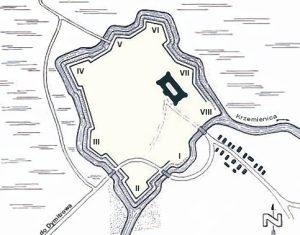
Architecture: Baranow Castle is an example of defensive architecture that evolved in response to defensive and strategic needs. Its architecture reflects the many changes and extensions made over the centuries, particularly during the Renaissance.
Foundations and Defensive Construction: The castle was built on an irregular plan, which was typical of many medieval fortresses. Its walls, made mainly of stone, were thick and solid, indicative of the castle's main purpose - defence. The towers and towers rising above the walls acted as watchtowers and defences, allowing the guards to oversee the surrounding areas and repel attacks.
Renaissance Style: In the 16th century, during the expansion of the castle by the Lanckoroński family, the castle acquired features characteristic of the Renaissance style. Decorative elements such as arcades, loggias and ornate architectural details were added. The interiors of the castle were rebuilt, creating spacious chambers with rich decoration.
Details and Embellishments: The architecture of Baranow Castle was also enriched with numerous details and ornaments that emphasised its status and prestige. Stone carvings, reliefs and crests were frequent decorative elements. In addition, there were chambers inside the castle with elaborate painted decoration, a testament to the wealth and influence of the owners.
Functionality and Aesthetics: Although the main purpose of the castle was defence, its architecture combined both functionality and aesthetics. With its architecture, Baranow Castle was an impressive symbol of power and prestige, while also being an effective defensive fortress.
Castle Today: After World War II, Baranów Castle was nationalised and turned into a museum. Today, it is one of the most important monuments of the Lesser Poland Voivodeship, attracting numerous tourists from all over the world. The history of Baranów Castle is colourful and rich in events, reflecting the turbulent history of Poland and the Małopolska region. Its walls hide many secrets and stories waiting to be uncovered by future generations.


