
Facilities
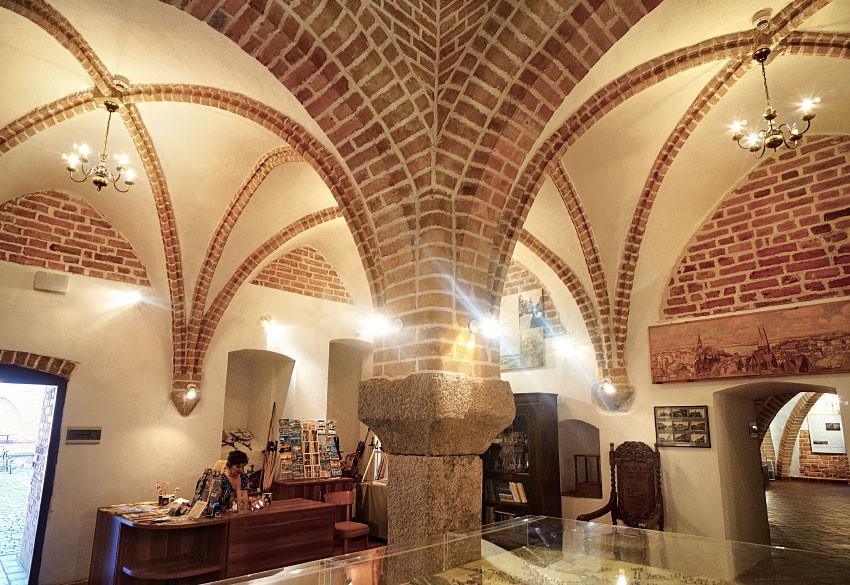
 Tickets and guided tours
Tickets for the tour can be purchased by tourists at the main entrance to the castle, where there is additionally a souvenir stand right away. The estimated tour time is approximately 30-60 minutes.
Tickets and guided tours
Tickets for the tour can be purchased by tourists at the main entrance to the castle, where there is additionally a souvenir stand right away. The estimated tour time is approximately 30-60 minutes.
 Parking
There is free parking for tourists below the castle.
Parking
There is free parking for tourists below the castle.
 Restaurant
There is a restaurant in Ostróda called 'U Wokulskiego'.
Restaurant
There is a restaurant in Ostróda called 'U Wokulskiego'.

 Hotel
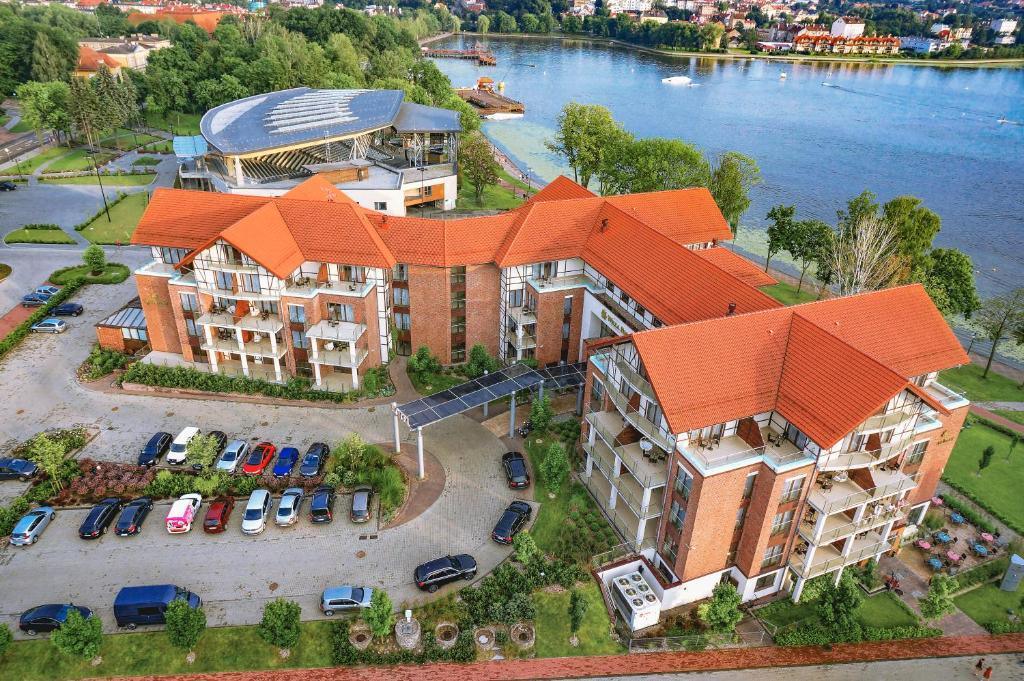
There are a number of hotels in the town for visitors, we recommend the "Willa Port" hotel most highly.
Hotel
There are a number of hotels in the town for visitors, we recommend the "Willa Port" hotel most highly.

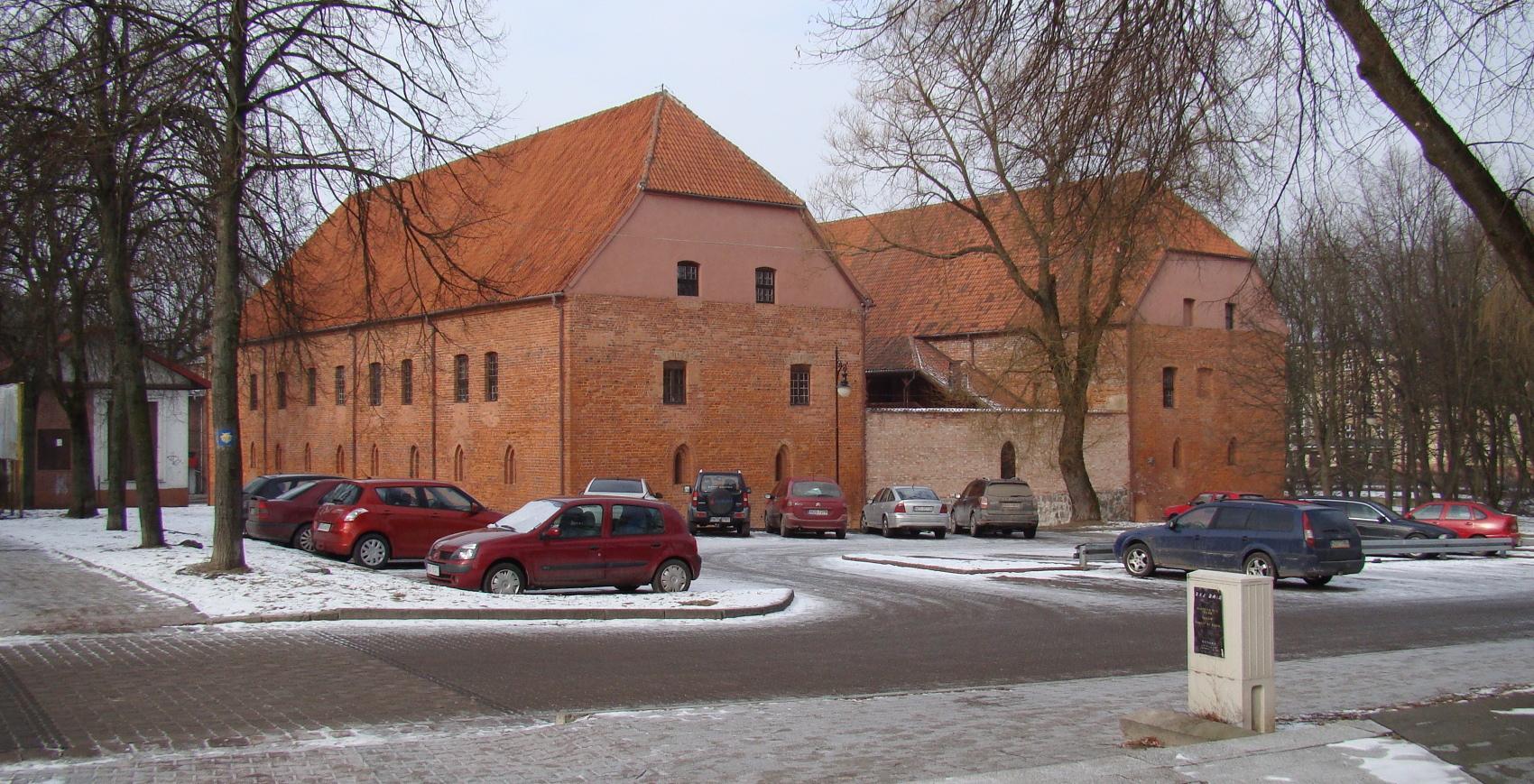
Ostróda Castle is an impressive witness to the city's history, having served a variety of functions over the centuries, from defence to residence and administration. Situated on Lake Drwęckie, the castle is not only an important architectural monument but also a landmark in the city's landscape. Its walls hide a lot of secrets and history, which testify to the transformations that the city and the surrounding area have undergone over the centuries.
Genesis: On the edge of medieval Poland, a defensive settlement grew up in an area that was a strategically important link between Polish lands and areas inhabited by Prussian and Lithuanian tribes. In the 11th century, at a time of increasing tension and conflict with these tribes, the importance of the defence of such settlements increased. In response to these threats, in the 11th century, construction work on fortifications began in what is now Ostróda. These were initially wooden fortifications designed to defend the inhabitants and control the adjacent land. The place, due to its strategic position, became an important point on the map of Poland at that time, controlling communication and trade between different regions.
However, it was in the 13th century, after the arrival of the Teutonic Order in the area, that the castle in Ostróda began to gain real significance. The Order, aiming to Christianise and subjugate the Prussian lands, began intensive colonisation and building activities. The castle in Ostróda, thanks to its convenient location by the river and close to the lakes, became one of the key defensive points for the Order. During the following decades of the 13th century, Ostróda Castle was repeatedly extended and strengthened. The defensive walls were strengthened and the watchtowers were built anew or modernised. Fortifications were also built around the castle to secure access to the castle from the land. During this period, the castle not only had a defensive function, but also an administrative one, becoming the seat of important offices and the centre for the management of the monastic estates in the region.
The 13th century was also a time of intensive economic and cultural development for the region. Ostróda Castle, as the centre of social and administrative life, attracted merchants, craftsmen and specialists of various kinds. Trade and crafts flourished and the castle became an important centre of cultural and scientific exchange. During the Middle Ages, Ostróda Castle witnessed many changes, both political and cultural. Its roles as a defensive, administrative and cultural centre made it an extremely important point on the map of Poland and the Warmia and Masuria region.
The Modern Period:
In the 16th century, during the dynamic struggle for dominance in the region between Poland and the Teutonic Order, Ostróda Castle witnessed many bloody clashes. The Polish-Teutonic wars, which took place in 1519-1521 and 1526-1527, were decisive for the future of the region. The defence and maintenance of the castle by the Polish army was crucial to ensure stability on the north-eastern borderlands of the Polish-Lithuanian Commonwealth. The Swedish Deluge, which took place in 1655-1660, brought further challenges to the castle. The Swedish invasion, which also included the lands of Royal Prussia, made the castle in Ostróda a target for Swedish troops. Sieges, battles and frequent changes of occupation caused considerable damage to the castle fortifications. To meet the new defensive requirements, the castle was repeatedly modernised and its fortifications were strengthened and adapted to new siege techniques.
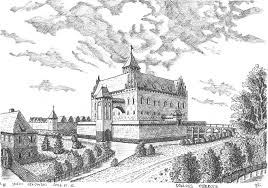
In the 18th century, as a result of the successive partitions of Poland, the castle came under Prussian rule. The Prussian era brought new developments for the castle. Although its defensive function lost its importance in the light of modern warfare technology, the castle gained in importance as an administrative and cultural centre. During this period, renovation work was carried out to adapt the castle to new administrative needs. Many Prussian officials and local government representatives found their place in the castle, making it an important administrative centre for the region. The modern period in the history of Ostróda Castle is a time of dynamic changes, conflicts and adaptations to changing political and military realities. Although the castle lost its importance as a defensive centre, its role as an important administrative and cultural point was undeniable.
20th Century to Today:
After the end of World War I and the restoration of Poland's independence, the castle in Ostróda faced new challenges and opportunities. The interwar period was a time of intense political, social and cultural change throughout the country, which was also reflected in the life of the castle. In the 1920s and 1930s, Ostróda Castle performed administrative functions, being the seat of various state institutions and offices. These periods were a time of reconstruction and stabilisation for the country, and the castle played an important role as an administrative centre for the region. However, the outbreak of World War II in 1939 brought a new wave of destruction and chaos. Ostróda, located close to the border with East Prussia, was a strategically important point and became an arena of battle. As a result of the warfare, the castle was heavily damaged and its interiors and defensive structures were severely damaged. After the end of the Second World War, the Polish authorities decided to rebuild the castle. The reconstruction work, which took many years, aimed to restore the castle to its former glory and historical value. Over the following decades, the castle was successively restored and adapted to various functions. At some point it became the seat of a museum, presenting the rich history of the region and exhibits related to the life and culture of Warmia and Mazury.
The present day Ostróda Castle is a testament to its centuries-long history and adaptability. Today it is not only an important monument and museum, but also a pulsating cultural centre where concerts, exhibitions, workshops and other cultural events take place. For Ostróda's residents and tourists, the castle is an important landmark and a place for meeting and social interaction, combining history with modernity.
Architecture:
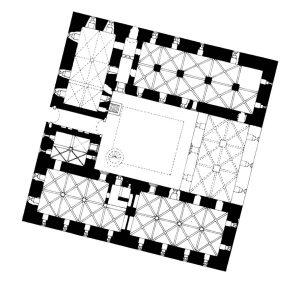
The architecture of Ostróda Castle is the result of centuries of evolution and transformation.
Fortifications and fortifications:
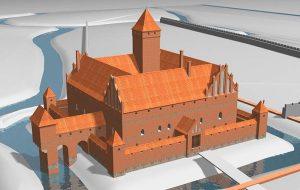
The castle was originally built as a fortified defence complex. Its initial construction was characterised by thick walls, towers and a moat to defend against potential invaders.
Main building:
The central element of the foundation was the main castle building, which served as a residence for the castle owners and their guests. This building was frequently extended and modified in different historical periods.
Tower:
One of the distinctive features of the castle was the tower, which acted as an observation post as well as a defence. Towers were often placed at the corners of the castle, allowing a wide range of vision and control over the surrounding area.
Courtyard:
The central part of the castle was often the courtyard, surrounded by buildings serving various purposes, such as storerooms, kitchens or stables. The courtyard was the heart of castle life, a place for meetings and deliberations, as well as a place of defence in case of danger.
Renaissance elements:
During the Renaissance period, especially in the 16th and 17th centuries, Ostróda Castle was rebuilt and enriched with architectural elements characteristic of that period. Rich ornaments, cloisters, balconies and decorative details were introduced at that time, which gave the castle an elegant and refined appearance.
Reconstruction work:
After the destruction of the war, reconstruction work was carried out to restore the castle to its original appearance. Much of this work was done in the spirit of historicism, with care taken to preserve the authenticity and historical character of the building.
Contemporary adaptations:
Modern adaptations of the castle include adapting the interiors for museum, cultural and educational functions. Nevertheless, efforts have been made to preserve the original character of the building, integrating modern elements with historical details.
The architecture of Ostróda Castle is an echo of the past, a testimony to its centuries-long history and changing trends in defence and residential construction. Thanks to the efforts of conservators, the castle has retained its unique atmosphere and is an important part of the region's cultural heritage.


