
Facilities
 Tickets and guided tours
Tickets for the tour can be purchased at the castle’s main entrance. The estimated time for the climb is 45 minutes, and the tour takes around 30 minutes.
Tickets and guided tours
Tickets for the tour can be purchased at the castle’s main entrance. The estimated time for the climb is 45 minutes, and the tour takes around 30 minutes.
 Parking
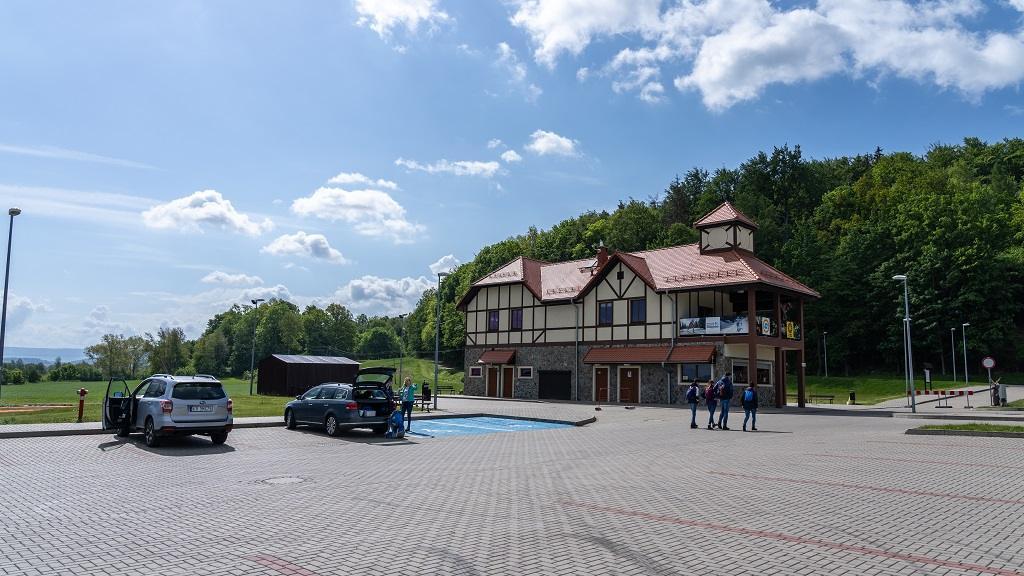
The Chojnik Castle car park is located at the foot of the mountain.
Parking
The Chojnik Castle car park is located at the foot of the mountain.
 Castle Bar
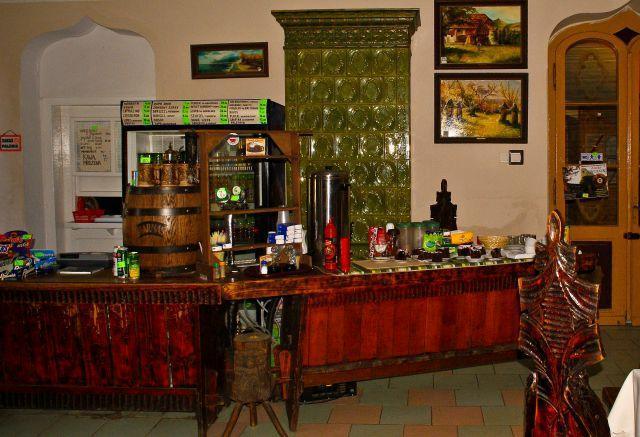
There is a castle bar on the castle grounds.
Castle Bar
There is a castle bar on the castle grounds.
 Accommodation
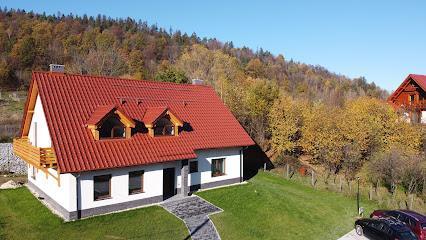
Due to the castle's location, the nearest accommodation can be found in Jelenia Góra or Karkonosze, which are not far away.
Accommodation
Due to the castle's location, the nearest accommodation can be found in Jelenia Góra or Karkonosze, which are not far away.
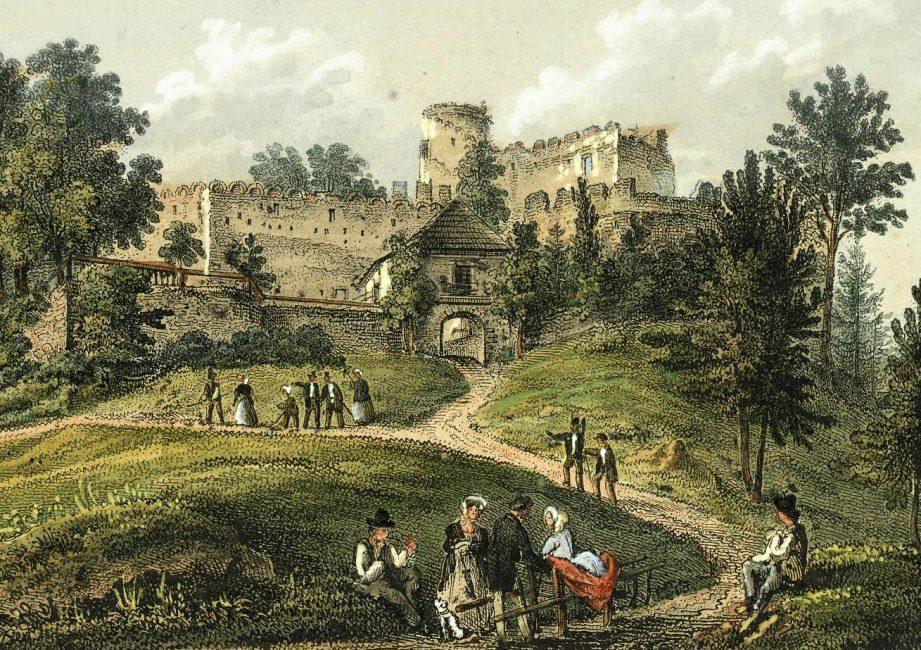
Chojnik Castle is a jewel of mountain architecture and rich history that towers over the landscape of the Jizera Mountains in Poland. It is a place where the past intertwines with the present, creating a unique atmosphere and offering an unforgettable experience for tourists. The castle, built in the 13th century, originally served as a watchtower on the trade route through the mountains. However, it was in the following centuries that it gained its distinctive appearance as a Renaissance residence, thanks to the noble families that inhabited it. Today, Chojnik Castle is a place where you can admire the harmony of architecture and nature, stroll through its historic interiors and discover the secrets of past ages. The unforgettable view of the surroundings, the magnificent mountain panoramas and the magical atmosphere of the castle make it an ideal place for hiking and sightseeing away from the hustle and bustle of the city. In addition, legendary stories about the castle, including the one about the ghost of the Chojnik Knight, add to its unique charm and mystery. Chojnik Castle is also a friendly place for families and history lovers, offering attractions for all ages. It's history, architecture and nature come together to create a unique journey through time and space.
History:
The history of Chojnik Castle goes back deep into the past and covers many fascinating periods.
Genesis and origins:
Chojnik Castle is a witness to a long and fascinating history, dating back to the 13th century. At that time, during the Middle Ages, the castle was built as a defensive stronghold on a high hill called Chojnik. This strategic location above the Jizera Mountains provided excellent control over trade routes and traffic in the area, making it a key element in the defence of the region. Chojnik Castle served primarily as a watchtower to warn of incoming threats, including possible invasions and attacks by hostile armies. From its towers and towers it was possible to observe the surrounding countryside and control the communication routes, which gave a defensive advantage. It was for this purpose that the castle was built on a hill that provided excellent visibility in every direction. During the Middle Ages, when the Jizera Mountains region was a place of important commercial and strategic activities, Chojnik Castle played a key role in maintaining security and defence. It was also an important communication point, where travellers and merchants had to stop for permission to pass or for trade inspections. This place was therefore not only a symbol of defence, but also an important part of everyday life and the economy of the region. With the passage of time, Chojnik Castle has undergone many changes and transformations, but its origins as a defensive stronghold remain integral to its fascinating history. Today, the castle attracts visitors who can discover its secrets and enjoy the beautiful panoramas of the Jizera Mountains, remembering its role as a watchtower and controller of trade routes in the distant Middle Ages.
15th and 16th centuries:
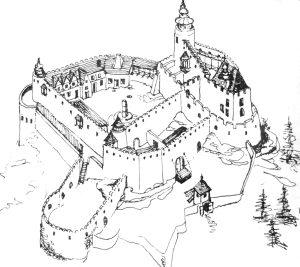
In the 15th and 16th centuries, Chojnik Castle experienced a period of significant transformation that changed its characteristics and appearance. These were the years in which the castle passed into the hands of the influential Schaffgotsch family, and its architecture was redefined, giving it the distinctive look of a Renaissance mansion. The Schaffgotschs, known for their influence and merits in the field of architecture, undertook a major expansion of the castle. As a result of these works, the castle was transformed from a defensive stronghold into a luxurious noble residence. One of the most important elements of these changes was the extension and reconstruction of the castle, which resulted in many of its architectural elements taking on a Renaissance character. A distinctive hallmark of this period were the castle towers, which gained their characteristic shapes and finishes. One of the towers, known as the "Tower of the Lord," became an iconic feature of the castle, adding to its unique charm and setting it apart from other Renaissance residences. As a result of the reconstruction, the defensive walls were also adapted for the new period. The castle gained characteristic arcades and loggias, which were not only decorative but also practical architectural elements. With these changes, Chojnik Castle became a harmonious combination of defence and Renaissance elegance. It was the period of Renaissance expansion and modernisation of Chojnik Castle that marked a turning point in the castle's history, giving it the character it has retained to this day. It was also the period when the castle became a venue for noble banquets, knightly tournaments and other social events which became part of the history of the region. Thanks to the Schaffgotschs, Chojnik Castle was transformed into a masterpiece of Renaissance architecture and culture.
Role in history:
Erected in the 13th century, Chojnik Castle has played a key role in the history of the Jizera Mountains from the very beginning. Initially, it was a defensive stronghold that controlled the trade routes running through the mountains. Thanks to its strategic location on a high hill, the castle provided excellent visibility and control over the surrounding areas. It was on its towers and towers that it served as an observation post, warning of impending threats and enabling a quick response to any incursions. Over time, Chojnik Castle became not only a symbol of defence, but also a place where important military-political decisions were made. During periods of war and conflict, the castle served as a central point for command and defence strategies. It was on its premises that decisions concerning the defence of the region were made and defences against invading enemy armies were organised. In the following centuries, especially during the Renaissance, the castle underwent significant transformations. It became a residence of the nobility, where banquets, knightly tournaments and other social events were held. This place witnessed not only important political decisions, but also many moments of entertainment and amusement for the aristocracy. The castle's halls and chambers witnessed the nobility's life and culture, and their walls hide numerous secrets of past centuries.
The story of a turbulent history:
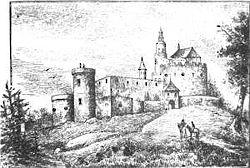
Throughout its centuries-long history, Chojnik Castle has repeatedly witnessed periods of war and conflict, which unfortunately brought destruction and the need for reconstruction. One of the most tragic periods in the castle's history was the 17th century, the time of the Thirty Years' War, which had a significant impact on the fate of the region. The Thirty Years' War, which lasted from 1618 to 1648, was one of the longest and most devastating conflicts in European history. Poland was in a complicated situation at the time, being part of battles between different states and religious factions. Chojnik Castle, as an important stronghold, did not escape this conflict. As a result of the hostilities of the Thirty Years' War, the castle suffered significant damage. It was repeatedly destroyed by warfare, sieges and army attacks. Its wooden parts were burnt down and the walls were damaged. It was a period of massive destruction that brought with it the need for reconstruction and repair. Further reconstruction and modernisation of the castle took place in the 18th and 19th centuries. During these reconstructions, efforts were made to restore the castle to its former splendour and Renaissance splendour. The towers, defensive walls and interiors of the castle were reconstructed in an attempt to restore its original appearance. Thanks to the efforts and investments in reconstruction, Chojnik Castle has been brought back to life and regained its role as an important historical monument. Today, it is not only a valuable part of the region's cultural heritage, but also a testimony to its difficult and turbulent past. It is a place where the past intertwines with the present, and the castle's history continues to fascinate visitors with its strength and beauty.
Modern times:
In the 20th century, the castle was restored and opened to tourists. Today, it is a popular destination for tours and sightseeing. Visitors can admire not only the architecture of the castle, but also the magnificent views of the surrounding area from the castle towers and terraces.
Architecture:
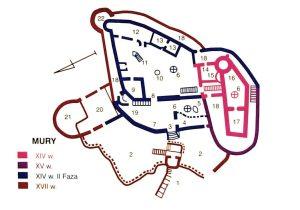
The architecture of Chojnik Castle is a fascinating combination of different styles and eras that have shaped its mass and appearance over the centuries.
Location and general appearance:
Chojnik Castle is located on a high hill called Chojnik, which provides magnificent panoramic views of the Jizera Mountains and the surrounding area. The castle is surrounded by trees and a forest, which gives it a romantic character. From afar, you can see the characteristic towers that make the castle stand out against the landscape.
Towers and walls:
One of the most recognisable features of the castle are its towers. "Pan's Tower," also known as "Chojnik's Tower," rises above the other buildings and is the focal point of the castle. Its ornate finish and soaring shape attract the attention of visitors. In addition to the Lord's Tower, the castle has defensive towers and towers, which originally had defence and observation functions.
Arcades and loggias:
Chojnik Castle is characterised by its characteristic arcades and loggias, which form a decorative element of its architecture. These elements were added during the Renaissance period and give the buildings elegance and uniqueness. The arcades and loggias provide interesting spaces in which to walk and enjoy the views of the landscape surrounding the castle.
Defensive wall and moat:
The defensive walls surrounding the castle give it the distinct character of a defensive stronghold. Although much of it has been destroyed and rebuilt as a result of wars and conflicts, it remains a prominent architectural feature. In addition, the castle is surrounded by a moat, which served a defensive function in the past.
The interior of the castle:
The interiors of Chojnik Castle have been reconstructed and restored to reflect the different periods of its history. The interiors retain the spirit of a Renaissance residence and allow visitors to immerse themselves in the atmosphere of past centuries. Decorative fireplaces, stylish furniture and many other historical details can be seen here.
Wooden elements:
Note the wooden architectural details that are characteristic of the region. Roofs covered with wooden shingles and decorative wooden structural elements give the castle its unique character.
The architecture of Chojnik Castle is a complex mosaic of different styles and periods, which makes the castle a unique place full of history and charm. It is a place where the past intertwines with the present, and the beauty of the architecture blends with the magical landscape of the Jizera Mountains, attracting tourists from all over the world.
Interesting facts about Chojnik Castle:
The legend of the Knight of Knights:
The most famous legend associated with the castle tells of the ghost of the Knight of Chojnik, who guards its secrets and treasures. According to the legend, this Knight was faithful to his beloved and fought to defend her, but died in battle. His ghost still roams the castle, and locals believe that he can sometimes be found on the walls of the tower, looking out over the surrounding area.
Castle builders:
One of the interesting facts about the castle is the story of the builders who worked to erect it. Legend has it that during construction, one of the builders accidentally dropped a hammer, which fell on an innocent young boy. As a result of this unfortunate accident, the boy died and his soul is now trapped within the castle walls. It is said that his complaints and moans can be heard at night.
Secret moat:
There is much speculation and legend surrounding the moat surrounding the castle. Some believe that it was full of water in the old days, but that this water was never visible to outsiders. Others claim that the moat hides treasures that were hidden when the castle was besieged in the past.
Treasures of Chojnik Castle:
Chojnik Castle was a place where valuable treasures and documents were kept. It is said that some of these treasures are still hidden in the hidden chambers of the castle. Although numerous searches have been undertaken, no treasure has yet been found.
The castle in literature:
Chojnik Castle is often an object of interest in literature and culture. It has appeared in many stories and literary works, which has contributed to its fame and importance in the consciousness of the local community.
Chojnik Castle is a place full of mysteries and legends that give it a unique charm and atmosphere. These stories continue to fascinate visitors, creating a magical aura about the place and encouraging exploration of its history and secrets.
Chojnik Castle is not only an important historical monument, but also a place rich in history and tradition. It is a magical place that attracts tourists with its beautiful architecture, mountain panoramas and the spirit of past centuries. Thanks to its fascinating history, Chojnik Castle is an extremely important point on the cultural and tourist map of Poland.


