
Facilities
 Tickets and guided tours
Tickets for the tour can be purchased immediately at the castle grounds. The estimated tour time is about 1-2 hours. Individual guided tours.
Tickets and guided tours
Tickets for the tour can be purchased immediately at the castle grounds. The estimated tour time is about 1-2 hours. Individual guided tours.
 Parking
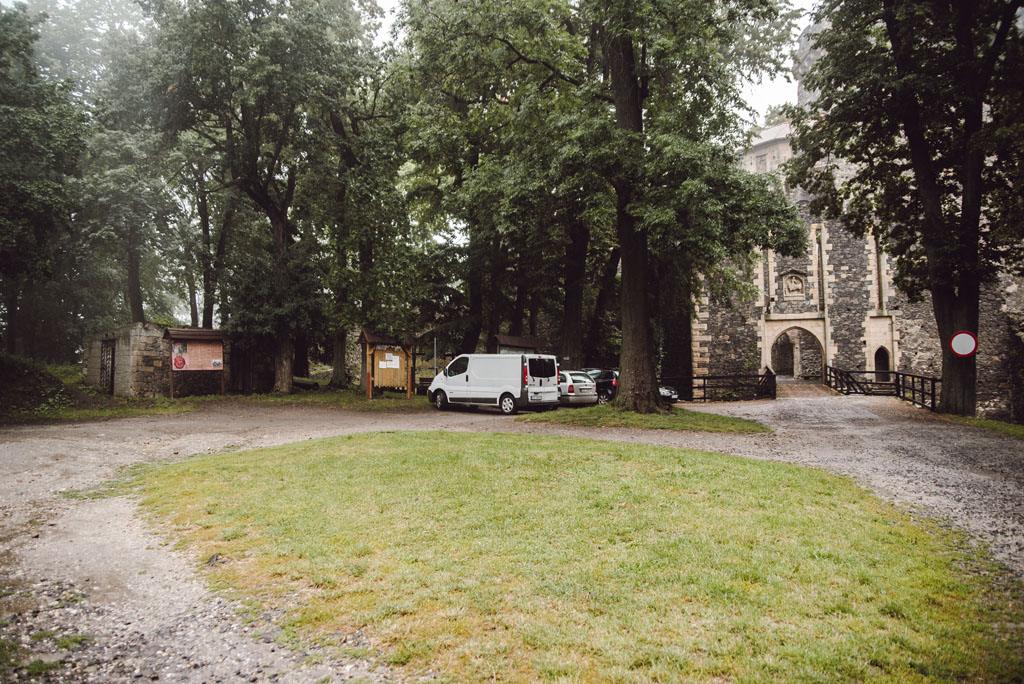
There is free parking for visitors centrally below the castle.
Parking
There is free parking for visitors centrally below the castle.
 Restaurant
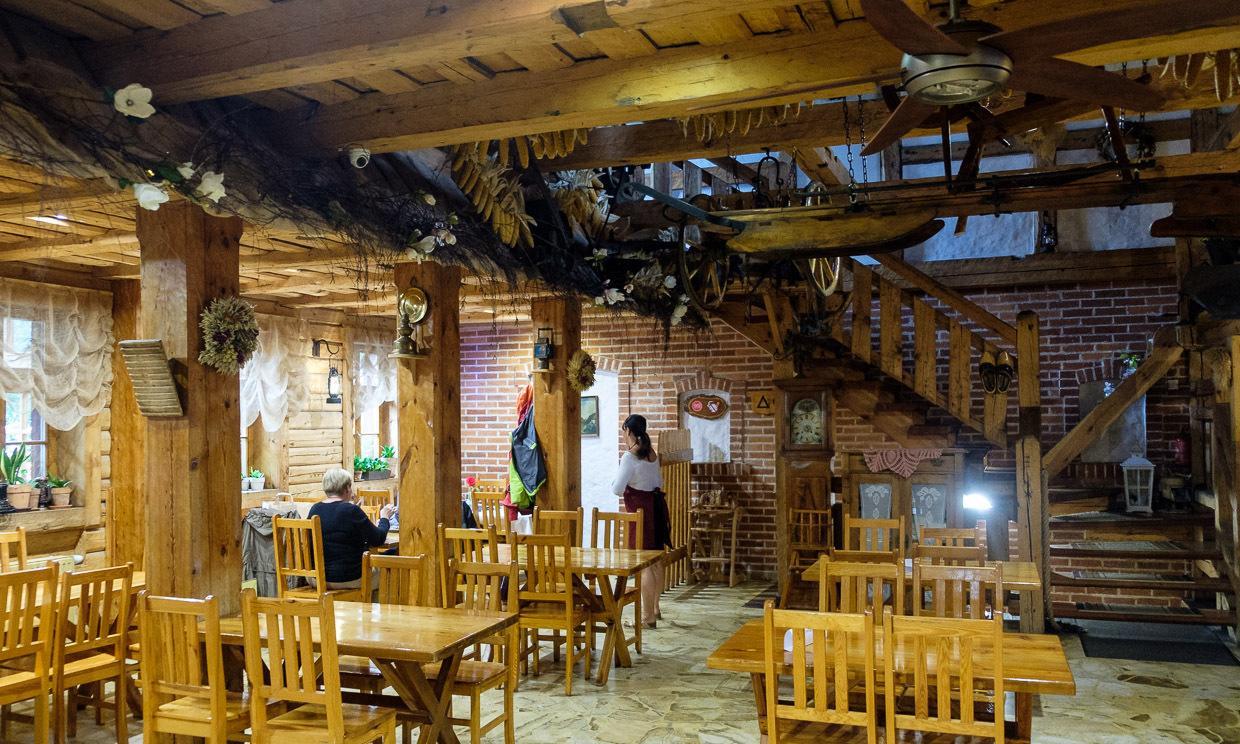
There is an atmospheric restaurant for visitors inside the castle.
Restaurant
There is an atmospheric restaurant for visitors inside the castle.
 Hotel
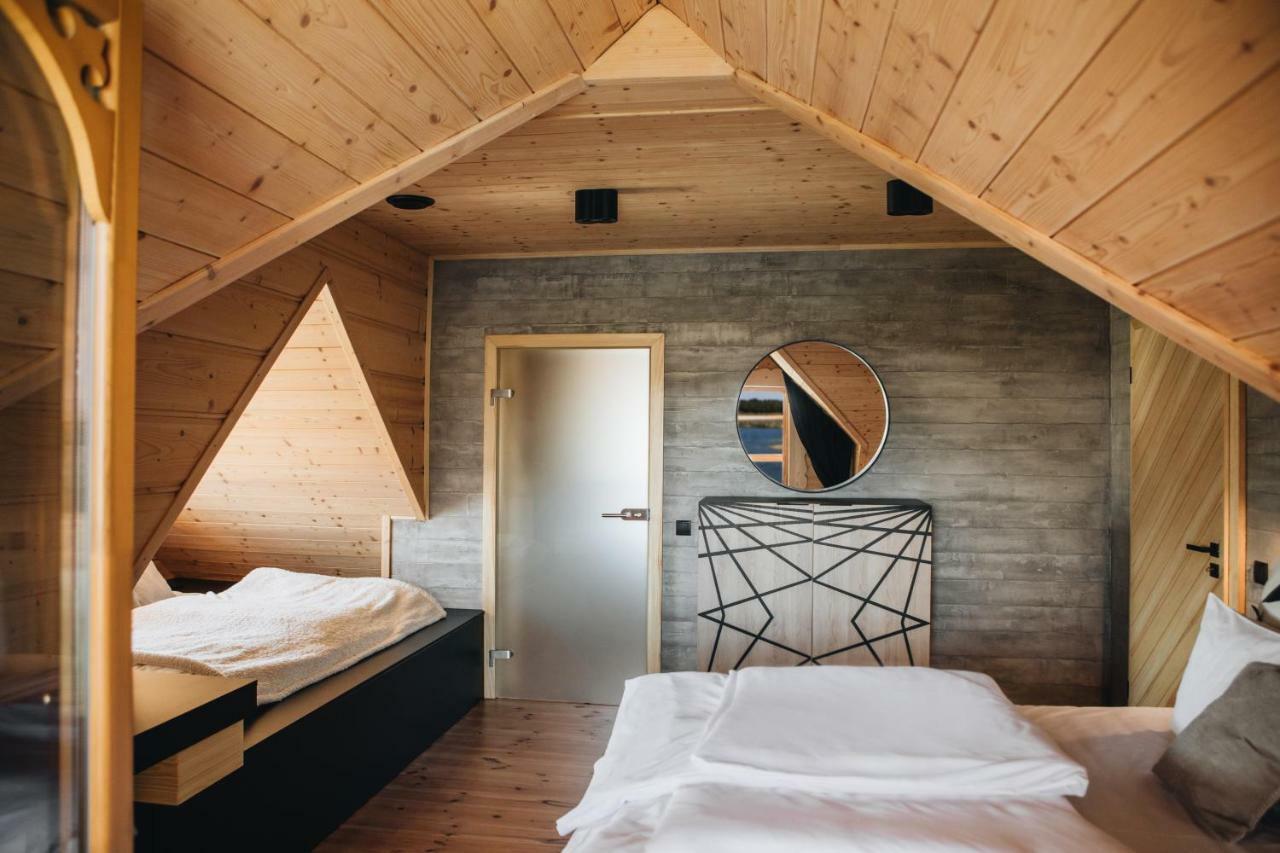
Within the town of Grodziec lies the recommended "Hotel Bajka" for tourists.
Hotel
Within the town of Grodziec lies the recommended "Hotel Bajka" for tourists.

Grodziec Castle, located in the south-west of Poland, is one of the most important medieval monuments in this part of the country. Its history, architecture and legendary mysteries attract numerous tourists and history lovers. Grodziec Castle is one of the most significant strongholds in south-western Poland, which for centuries has played a key role in defending and shaping regional history.
Genesis (13th century):
Grodziec castle was first mentioned in the 13th century, when it was erected as a strategic defensive stronghold during the reign of the Piasts. The castle was intended to control local trade routes and protect the area from invasions. At that time, Poland was a country that was part of a kingdom that was developing and expanding its influence into various territories.
Role in border defence (13th century):
In the 13th century, when Grodziec castle was built, the Polish territories were part of the growing Polish Kingdom of the Piast dynasty. During this period, control of strategic trade routes and defence of the country's borders were crucial for security and economic development. The stronghold at Grodziec was intended to act as a watchtower, controlling movements on local trade routes and protecting the surrounding lands from potential invasions.
Strategic location:
The location of the castle was extremely advantageous from a military point of view. Built on a hill overlooking the countryside, the castle had an excellent observation and control point. Thus, it was possible to react quickly to threats and maintain control of the area. The reinforced fortifications and defensive walls made Grodziec an impregnable fortress in those days.
Evolution under the Piasts:
During the centuries of Piast rule, Grodziec Castle witnessed various historical events that influenced its function and significance. As the Polish Kingdom expanded and political realities changed, the castle played both a defensive and administrative role. It became an important centre of power and culture, attracting people from different regions.

Development in the Middle Ages
u (14th-15th centuries): During the 14th and 15th centuries, Grodziec castle went through a period of intensive expansion and modernisation. Over the years, as defensive architecture advanced, the stronghold was reinforced with new fortifications, towers and defensive walls. During this time, Poland witnessed numerous conflicts with neighbouring countries, which meant that the castle had an important defensive function.
Period of wars (16th-17th centuries):
In the 16th and 17th centuries, during the course of armed wars and conflicts, Grodziec castle experienced repeated destruction and reconstruction. Wars were waged both with neighbours and internally, which affected the appearance and functions of the fortress. During this period, military technology evolved and the castle had to adapt to new strategic realities. In the 16th and 17th centuries, Grodziec Castle became the arena of many important events that had a significant impact on its structure and functions. This period was dense with armed conflicts, both internal and external, which were decisive for the history of Poland and Europe. The following is an elaboration on this period:
Polish-Swedish Wars (17th century):
In the 17th century, Poland became the scene of a series of wars with Sweden, which had a huge impact on the fate of the region. Grodziec Castle, located at a strategically important point, became the target of attacks and sieges. During one of the sieges, the stronghold was severely damaged, requiring subsequent restoration and reconstruction work.
Internal conflicts and revolts:
In addition to external conflicts, Poland was also immersed in internal conflicts and rebellions, which affected the situation in the country. The castle of Grodziec, as an important strategic point, was often an arena of military action and a place of refuge for various political factions.
The evolution of military technology:
In the 16th and 17th centuries, military technology evolved rapidly, introducing new methods of siege and defence. Grodziec Castle had to adapt to these changes, strengthening its fortifications and introducing new defensive strategies. Many of these changes were implemented to counter new threats and maintain a fortified position.
Restorations and reconstructions:
As a result of numerous destructions during wars and conflicts, Grodziec Castle went through many stages of reconstruction and modernisation. Thanks to the determination and efforts of many generations, the stronghold was successively restored to life, although some architectural elements were permanently altered.
Modern period (18th to 19th century):
In the 18th and 19th centuries, Grodziec castle went through a peacetime period in which its defensive functions gradually lost their importance. During this time, the castle began to serve a residential and administrative function. As the years passed, with the growing interest in history and culture, the castle became an important place for researchers and history enthusiasts.

Castle architecture:
The architecture of Grodziec Castle is a complex combination of different styles and eras that reflect its long and turbulent history.
Defence structure:
Grodziec Castle was originally built as a defensive stronghold, which is evident in its massive walls and solid fortifications. Built on a hill, the castle dominates the surrounding valley, which made it difficult to conquer. The characteristic towers and towers, reinforced by massive defensive walls, testify to the castle's original fortified function.
An eclectic mix of styles:
As the castle changed over the centuries, its architecture underwent various modifications. Added elements, such as Renaissance loggias and Baroque ornamentation, enriched the original Gothic character of the castle. This eclecticism testifies to the many stages of expansion and reconstruction of the fortress and the influence of different eras and styles on its shape.
Castle interiors:
The interiors of Grodziec castle reflect its rich history and diversity of architectural styles. Repeatedly rebuilt and adapted, the castle chambers present a mixture of Gothic ceilings, Renaissance fireplaces and Baroque decorative details. The rich furnishings, such as furniture, armour and works of art, complete the atmosphere of times gone by.
Surrounding assumptions:
In addition to the main castle building, the architecture of Grodziec castle also includes the surrounding structures, such as external fortifications, entrance gates or defensive fortifications. The entire architectural composition is complemented by the picturesque surroundings, with panoramic views of the surroundings and the outline of the former fortifications.
The castle today (20th to 21st century):
In the 20th and 21st centuries, Grodziec Castle was restored and transformed into a museum that presents the history and culture of the region. Today, it is a place that attracts tourists from all over the world, offering them the opportunity to learn about the rich history of the castle and the region. Contemporary initiatives aim to preserve and protect this unique monument for future generations.


