
The Iron Knight (2011)

"The Iron Knight" (Ironclad), directed by Jonathan English in 2011, is one of the most epic works of modern historical cinema. Set in the turbulent times of 13th century England, the film depicts the dramatic events and difficult choices involved in the defence of Rochester Castle against the army of King John the Landless. "The Iron Knight" stands out from other historical productions not only for its dynamic battle scenes, but also for its deep introspection of the characters and their motivations. As a result, the film is not just a story of medieval warfare, but also a study of human nature, courage, loyalty and betrayal. The realism of the battle scenes, the insightful character portraits and the authentically recreated medieval world mean that The Iron Knight transcends the traditional historical film framework, offering viewers both a rich history lesson and an unforgettable visual and emotional experience.

Story
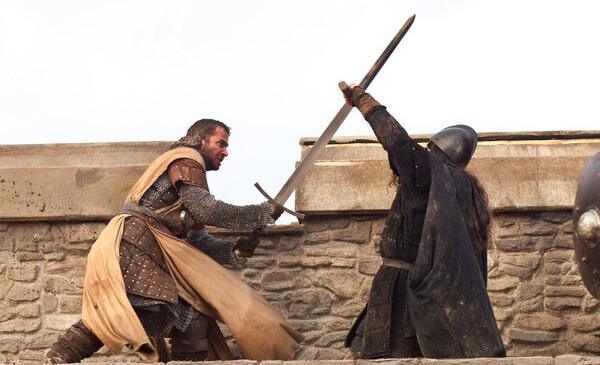
The plot of The Iron Knight begins as England is rocked by internal strife following the signing of the Magna Carta. At the centre of this epic narrative is a group of Templar knights who decide to stand up to defend Rochester Castle, a symbol of resistance against the tyranny of King John. Commanded by experienced Knight Templar Thomas Marshall, the band of brave men must face overwhelming royal forces. Their determination and courage in the face of overwhelming enemy superiority become a symbol of the relentless fight for freedom and justice.
The film virtuosely depicts the heroes' journey to consolidation, showing both the dark and light sides of medieval realities. Thomas Marshall, in his steadfast faith and determination, becomes a symbol of chivalrous courage, willing to stand up to injustice and harm, even in the face of enormous risk. His relationships with the other defenders of the castle, including the charismatic Baron William d'Aubigny, highlight the universal themes of power, friendship and loyalty. The character of d'Aubigny introduces another dimension to the story, representing human dilemmas and internal conflicts in the face of major political decisions. His tragic struggle highlights the brutality of the era and the human cost of great historical conflicts.
The Battle of Rochester Castle is presented not only as a series of military skirmishes, but also as a watershed moment when diverse forces within the country united against a common enemy. This aspect of the film emphasises the importance of national and social unity in the face of external threats. "The Iron Knight", although set in a specific historical moment, speaks of universal values that remain relevant. By depicting the fate of the castle's defenders, the film sheds light on the eternal quest for honour, freedom and dignity, making the story not only an epic tale of the past, but also a parable of the constant struggle between good and evil.

Atmosphere and Music
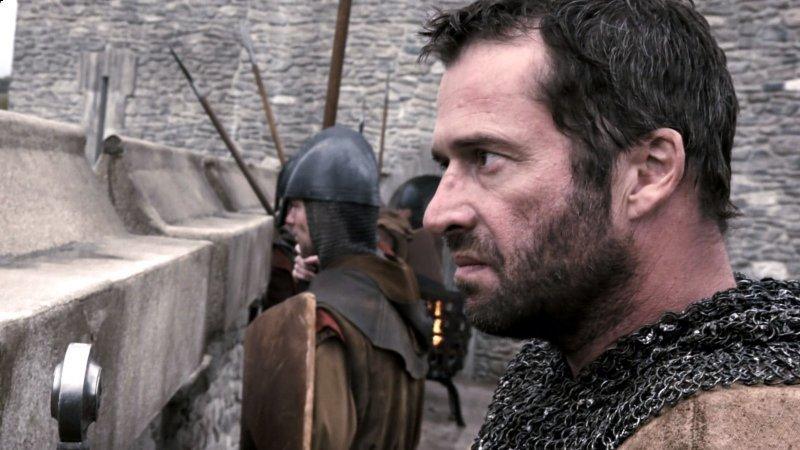
The medieval atmosphere of The Iron Knight is enhanced by the unforgettable music composed by Lorne Balfe, whose monumental sound perfectly captures the emotional tension and heroic tone of this epic tale. Balfe's compositions, with their depth and drama, perfectly compliment the film's narrative, adding an emotional layer that enriches the visual and story aspects of the work. The music is not just a backdrop; it becomes an integral part of the world depicted, emphasising its multidimensionality and helping the audience to immerse themselves even more deeply in the medieval realities.
In addition, the authenticity and historical fidelity of the scenery and costumes contribute to a unique atmosphere that transports the audience deep into 13th-century Europe. Every scenic element, from picturesque landscapes to clothing details, has been meticulously designed to replicate the look and spirit of the era. As a result, the film offers not only a visual spectacle, but also an educational journey through time to better understand and appreciate the richness of medieval culture and tradition.
The depiction of the epic defence of Rochester Castle is the climax of the film, being both the visual and emotional climax of the narrative. Director Jonathan English, using both the monumental scale of the sets and masterful cinematography, creates a spectacle that captures the brutality and heroism of the medieval battlefield. The battle scenes, with their dynamic editing and realistic fight choreography, not only recreate the historical events, but also highlight the human dimension of the conflict, showing both the tragedy and triumph of individual and collective fates.

History and Fidelity to Detail
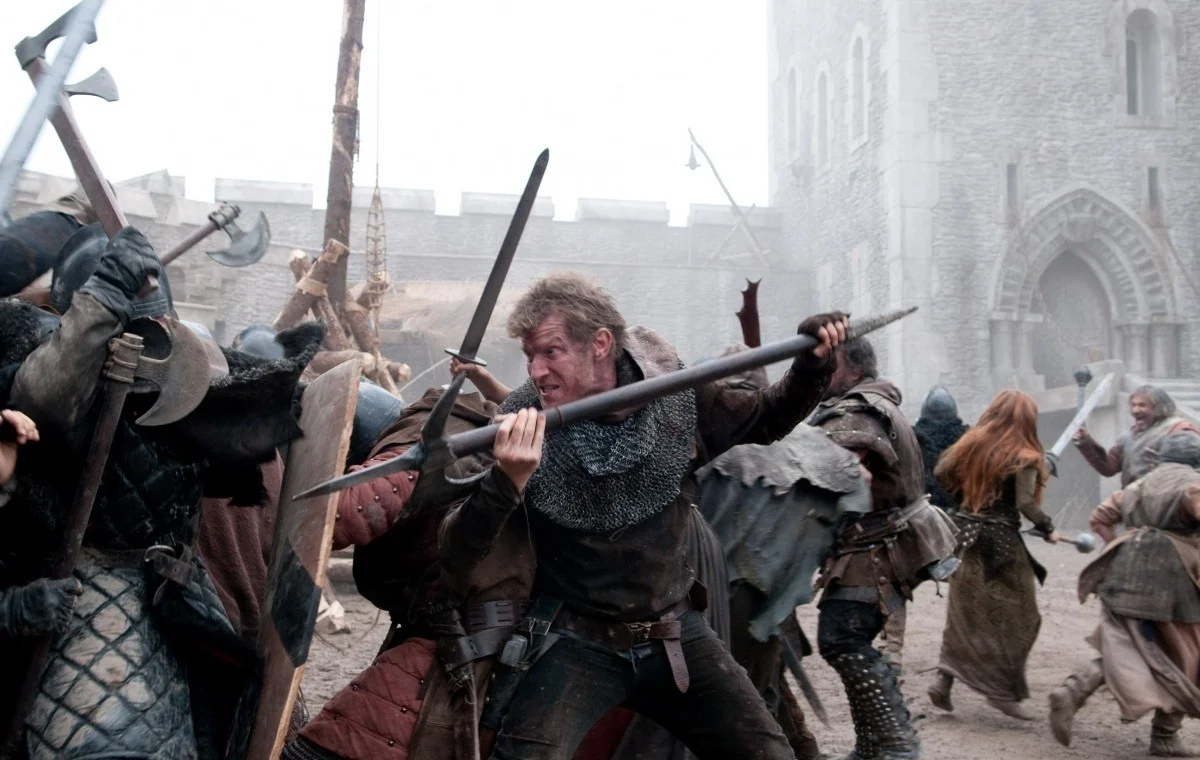
"The Iron Knight" is a film that passionately captures the spirit of the age, reconstructing medieval armour, weaponry and battle tactics. The visualisation of the defence of Rochester Castle, realised with impressive attention to detail, remains one of the most spectacular achievements in cinema history. The accurate portrayal of the clothing, architecture and customs of the period makes the film not only an artistic work, but also a valuable source of knowledge about the Middle Ages.

Cultural relevance
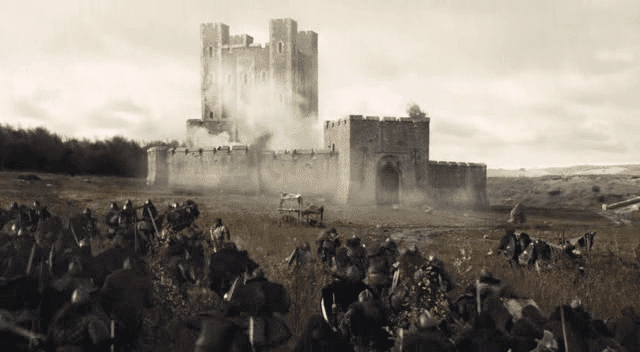
"The Iron Knight" is not only a film about an important moment in English history, but also a work that has contributed to shaping contemporary imagination about the Middle Ages and historical memory. Its release in 2011, at a time of growing interest in literary and historical adaptations, gave the film a special significance as a symbol of courage, responsibility and the fight for ideals. "The Iron Knight" is a film that successfully transcends time, offering audiences not only an epic historical tale, but also profound reflections on power, friendship and sacrifice. It is an indispensable part of contemporary film culture, being both a work of art and an important historical document.


