
Facilities
 Tickets and guided tours
Sightseeing either individually or with a guide. The estimated tour time of the castle is approximately 1 hour.
Tickets and guided tours
Sightseeing either individually or with a guide. The estimated tour time of the castle is approximately 1 hour.
 Parking
 is a short distance away, approximately 200 metres from the castle.
Parking
Parking is a short distance away, approximately 200 metres from the castle.
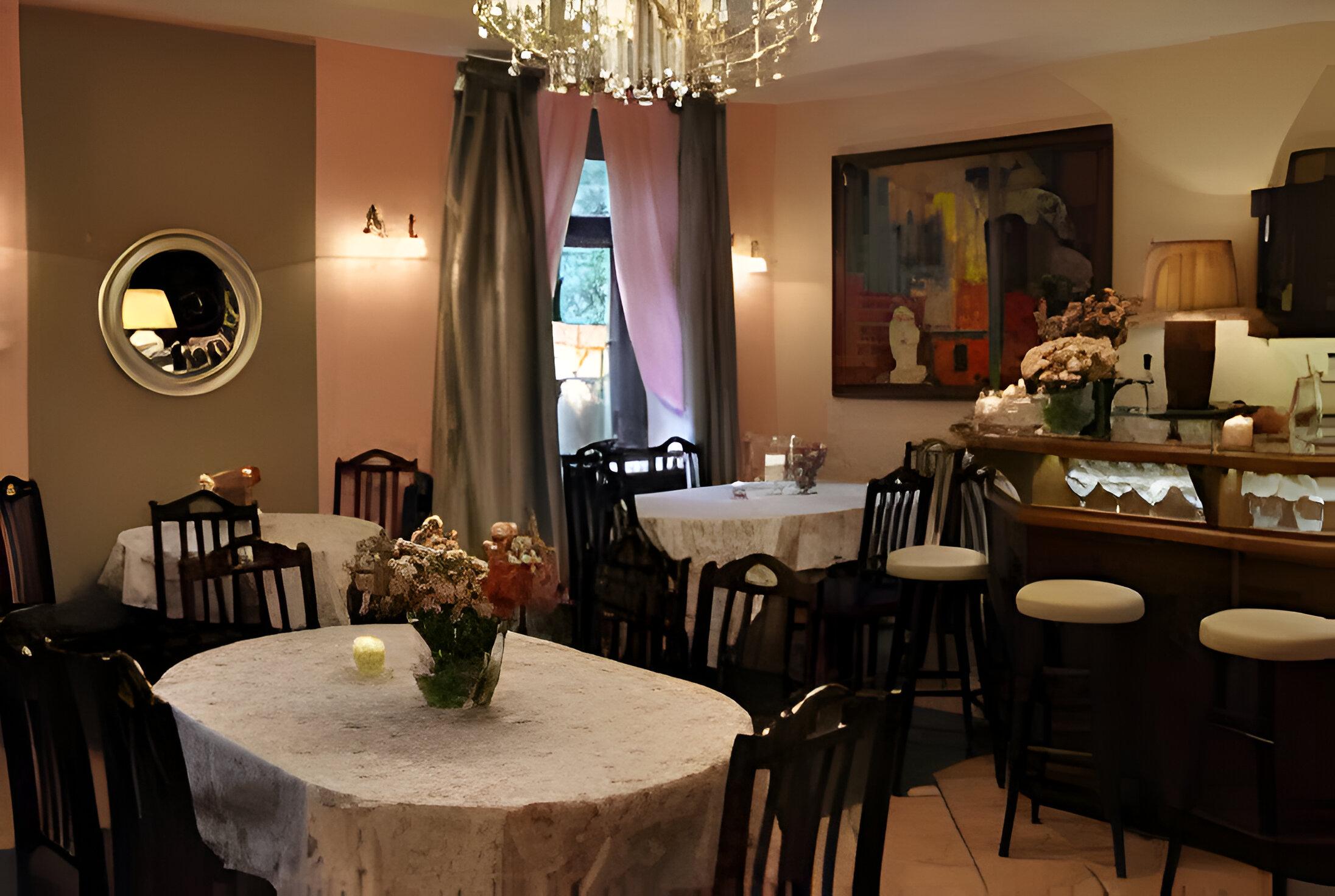
 Restaurant
The "Zajazd Pod Zamkiem" restaurant is located just below the tour site. It offers tasty meals at a good price.
Restaurant
The "Zajazd Pod Zamkiem" restaurant is located just below the tour site. It offers tasty meals at a good price.
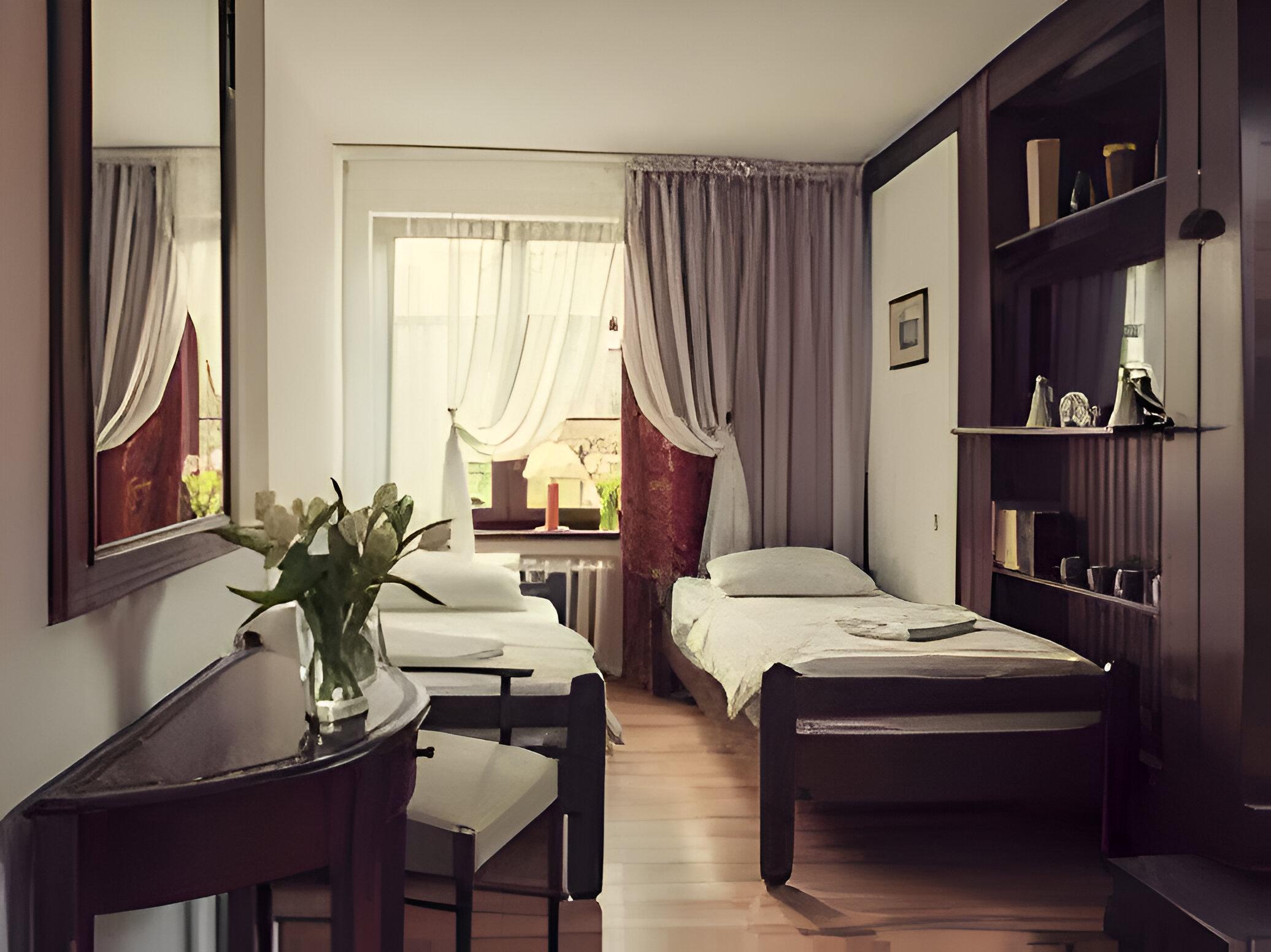
 Hotel
The hotel "Zajazd Pod Zamkiem" is located in the same location under the castle as the restaurant. It offers comfortable accommodation for visitors.
Hotel
The hotel "Zajazd Pod Zamkiem" is located in the same location under the castle as the restaurant. It offers comfortable accommodation for visitors.

Kętrzyn Castle, located in the Warmińsko-Mazurskie Voivodeship in north-eastern Poland, is a historic fortress whose roots go back to the Middle Ages. Its imposing walls have witnessed many turbulent events and historical changes.
Genesis: The origins of the Teutonic Castle in Kętrzyn are closely linked to the activities of the Teutonic Order in the territory of Prussia. At the end of the 13th century, the Teutonic Order, originally established in the Holy Land, moved its activities to the Prussian lands. Motivated by its mission to convert the Prussian population to Christianity, the Order also sought to consolidate German control in the area. Its presence had a significant impact on the formation of political, religious and social realities in the region, leaving lasting traces in the history of Prussia and influencing the development of state and cultural structures in these lands. In the 1430s, the Teutonic Order decided to erect a new fortress in Kętrzyn. It was to serve both as a defensive stronghold and as an administrative centre, enabling control over the territory of Teutonic Prussia. The choice of the castle's location was dictated by its strategic position. Kętrzyn was located at the crossroads of trade routes and was a key control point in the territory of the Teutonic Prussia. The stronghold was therefore of significant military and economic importance.
Discernment and Construction Phase:
Work on the castle began with a reconnaissance phase, in which the best site for the fortress was identified. Construction then proceeded, which included the erection of massive walls, towers, and other defensive and administrative elements.
The Warren and the Integration of the Prussian Lands:
The castle played a key role in the integration of the Prussian lands into the Teutonic Order. It was the centre from which the territory was administered, the administration was organised, and efforts were made to Germanise and Christianise the Prussian population.
Modernisation and Adaptation Phase:
In the centuries that followed, the castle went through various stages of modernisation and adaptation to meet changing needs. With the development of the art of defence and changes in military technology, the fortress was adapted to new conditions.
Warfare and Destruction:
During wars and conflicts, the Teutonic Knights' Castle in Kętrzyn repeatedly experienced damage. Particularly during the Thirty Years' War and the Swedish Deluge, the building suffered considerable damage, which required later reconstruction work.
Thirty Years' War (1618-1648):
The course of the conflict:
The Thirty Years' War was one of the longest and most devastating conflicts in European history. It involved battles between various European states, including in the area of Teutonic Prussia.
The castle as a military target:
The Teutonic Knights castle in Kętrzyn, due to its strategic location and military importance, became an object of warfare. The fighting around the castle could have resulted in structural damage and destruction of the defensive walls.
The development of siege art:
The Thirty Years' War saw the development of the art of siege warfare, which meant that the castle fortifications could be subjected to intense artillery attacks. This in turn contributed to significant damage.
Effects on the population:
The Thirty Years' War also brought much suffering to the civilian population. The surrounding villages and towns were exposed to looting and destruction, which affected the overall landscape of the region.
The Swedish Deluge (1655-1660):
Swedish invasions:
Another difficult period for the Teutonic Castle in Kętrzyn were the years of the Swedish Deluge. The Swedish army under the command of Charles Gustav marched through the territory of the Teutonic Prussia, causing devastation on their way.
Swedish siege:
The castle could have become the object of Swedish sieges, especially if it was seen as a strategic defensive point. Defending the castle could have led to additional damage to its structures.
Looting and destruction:
Swedish troops were notorious for looting and devastation during the Deluge. The castle and the surrounding area may have suffered from both militarism and looting.
Restorations and reconstruction:
After the end of the wars, the Teutonic Castle in Kętrzyn had to go through a period of reconstruction. Reconstruction work was necessary to restore the fortress to its former splendour and function.
As a result of these difficult times, the Teutonic Castle in Kętrzyn witnessed a lot of destruction and changes. However, thanks to reconstruction work, it has managed to preserve it for future generations as an important part of the region's history.
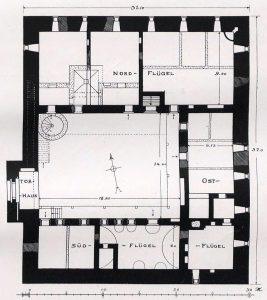
Architecture:
Kętrzyn Castle is characterised by defensive architecture typical of the Teutonic Order. It had massive walls, towers and a moat, which made it difficult to conquer in case of attack. Renaissance elements were also added in later periods, which introduced some changes to the original Gothic character of the castle.
Gothic Stronghold:
Kętrzyn Castle is distinguished by its characteristic Gothic architecture, typical of buildings of the Teutonic Order. The mighty brick defensive walls, rising around the castle, constituted the first line of defence. The towers, strategically placed, acted as defence and observation points, and their loopholes enabled effective defence.
Moat and Bridge System:
The defence of the castle was further facilitated by a moat, filled with water, surrounding the fortress. The moat provided an effective barrier against potential invaders. Drawbridges over the moat, due to their movable nature, increased the difficulty of attacking the castle, and raising them prevented enemies from entering the castle.
Gate and Gateway:
The main entrance to the castle was protected by an impressive entrance gate, located in the gate tower. This part, particularly well fortified, was a key point of defence. The drawbridge at the gate, allowing access only when it was lowered, further protected against attack by making access difficult for enemies.
Architectural Renaissance Elements:
In later periods, Renaissance elements were introduced into the castle's architecture, giving it a modern character. The loggias, or open cloisters facing the courtyard, were both decorative and representative elements, introducing new aesthetics and functionality to the castle structure.
Castle Today:
Kętrzyn Castle is now an attractive tourist and historical-cultural site. Its architecture, reminiscent of the Gothic style, attracts the attention of visitors, offering them the opportunity to explore the history of the region. The castle serves as a museum with various exhibitions related to the history of East Prussia and the castle itself. Permanent and temporary exhibitions allow visitors to discover the centuries-old past, everyday life as well as the decisive moments that shaped the fate of the area. Both the interiors and surroundings of the castle create a unique atmosphere, and visitors have the opportunity to immerse themselves in the fascinating history of the Warmian-Masurian region. In addition, the castle organises various cultural events, concerts and temporary exhibitions, attracting lovers of art and history. Kętrzyn Castle, located in a picturesque setting, is an important part of Poland's cultural heritage, while at the same time inspiring reflection on the past and shaping the contemporary experience of tourists and locals.
Interesting facts about Kętrzyn Castle:
- In the 16th century, the castle became the site of a historic event connected with the journey of Prince Albrecht Hohenzollern, who converted to Protestantism after a visit to Kętrzyn. This event had an impact on the history of Ducal Prussia and the introduction of Protestantism there.
- Kętrzyn Castle, like many other castles, is surrounded by legends about hidden treasures. According to some stories, in times of wars and turmoil, the castle chambers were supposed to be a hiding place for precious jewels and monastic treasures.
- In 1806, Prince Joseph Poniatowski, Napoleon's marshal, arrived at the castle. According to accounts, he found it in a very poor state of repair. Despite this, the castle continued to attract the attention of prominent figures.
- In the 21st century, Kętrzyn Castle has become the stage for various film and television productions. The building is used as a picturesque open-air setting as a backdrop for various historical productions.


