
Facilities
 Tickets and guided tours
Tickets for the tour can be purchased at the castle museum. Tours are only possible with a guide. Tour time is approximately 50 minutes.
Tickets and guided tours
Tickets for the tour can be purchased at the castle museum. Tours are only possible with a guide. Tour time is approximately 50 minutes.
 Parking
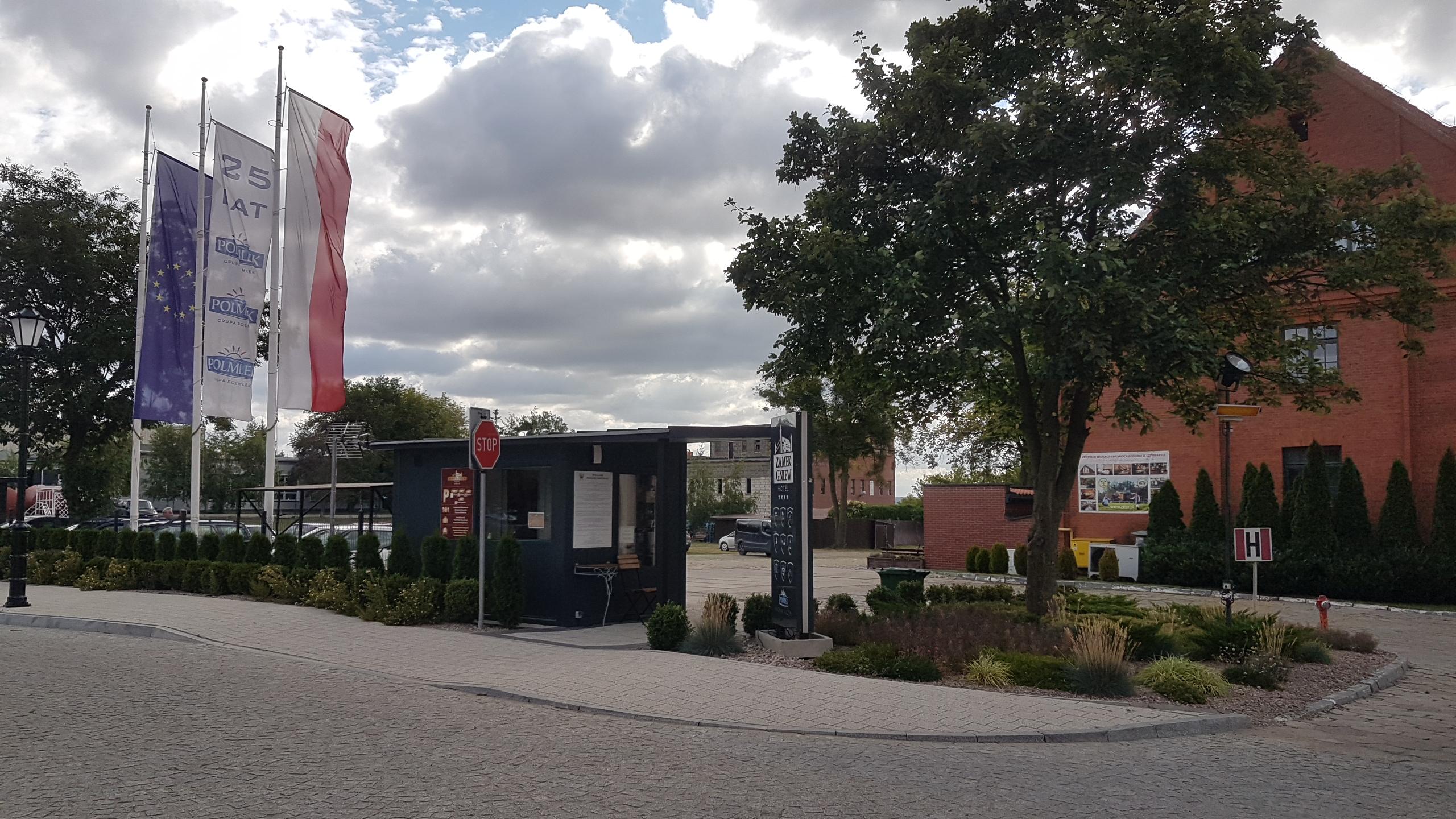
Pay car parks at the castle. Large number of spaces.
Parking
Pay car parks at the castle. Large number of spaces.
 Restaurant
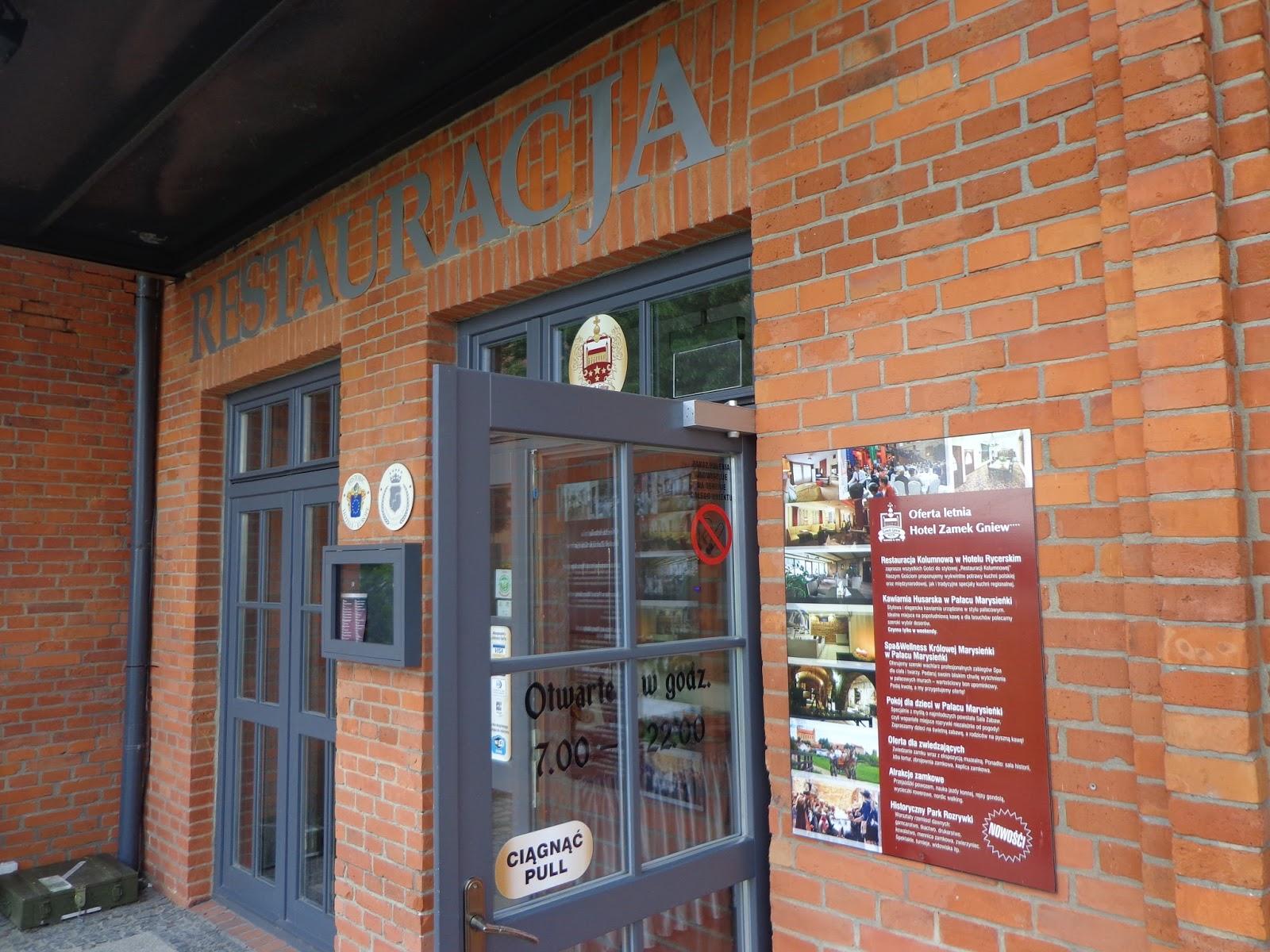
A restaurant is located in the castle grounds.
Restaurant
A restaurant is located in the castle grounds.
 Hotel
The castle has its own recommended hotel for visitors.
Hotel
The castle has its own recommended hotel for visitors.
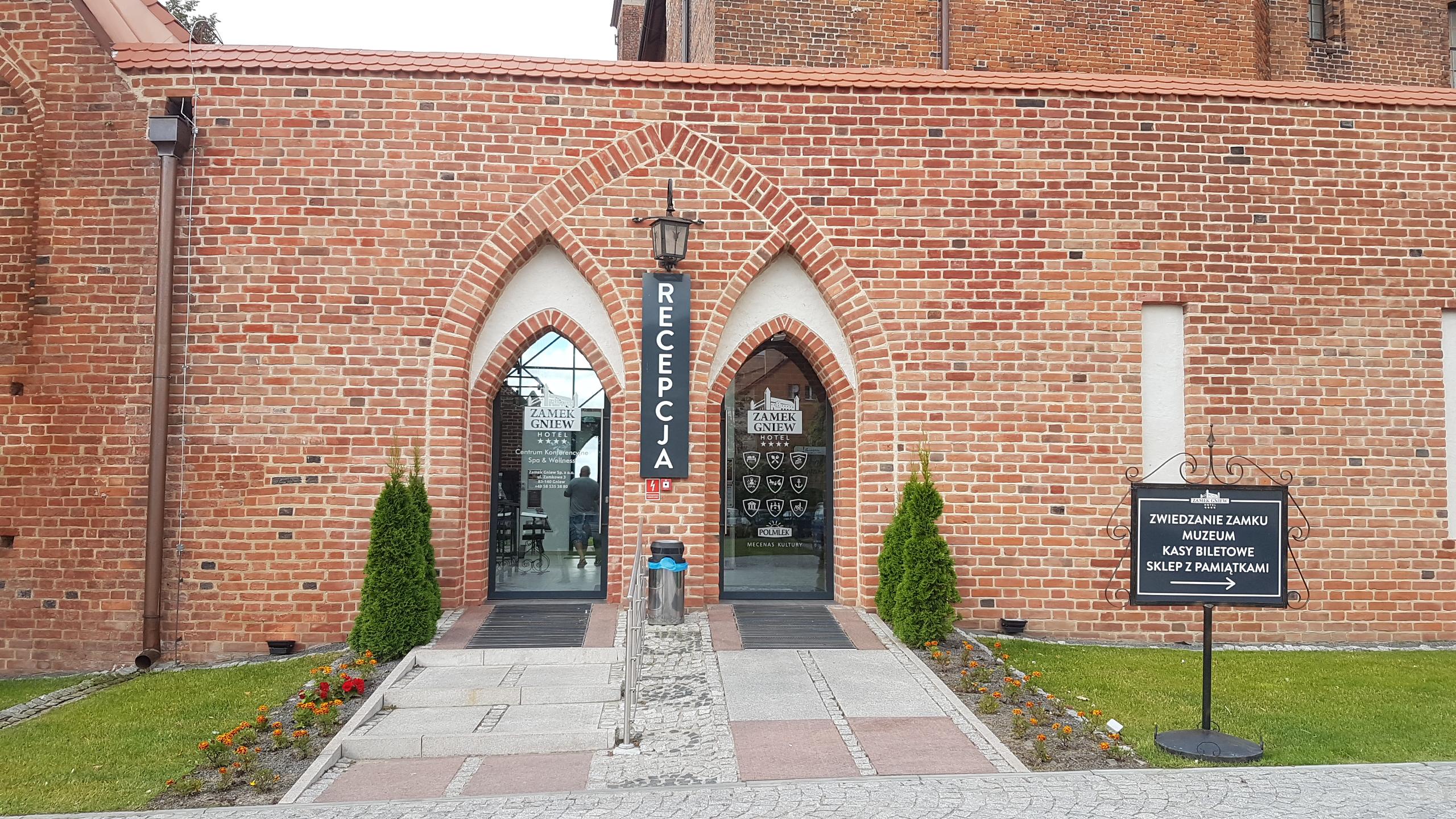
 Souvenirs
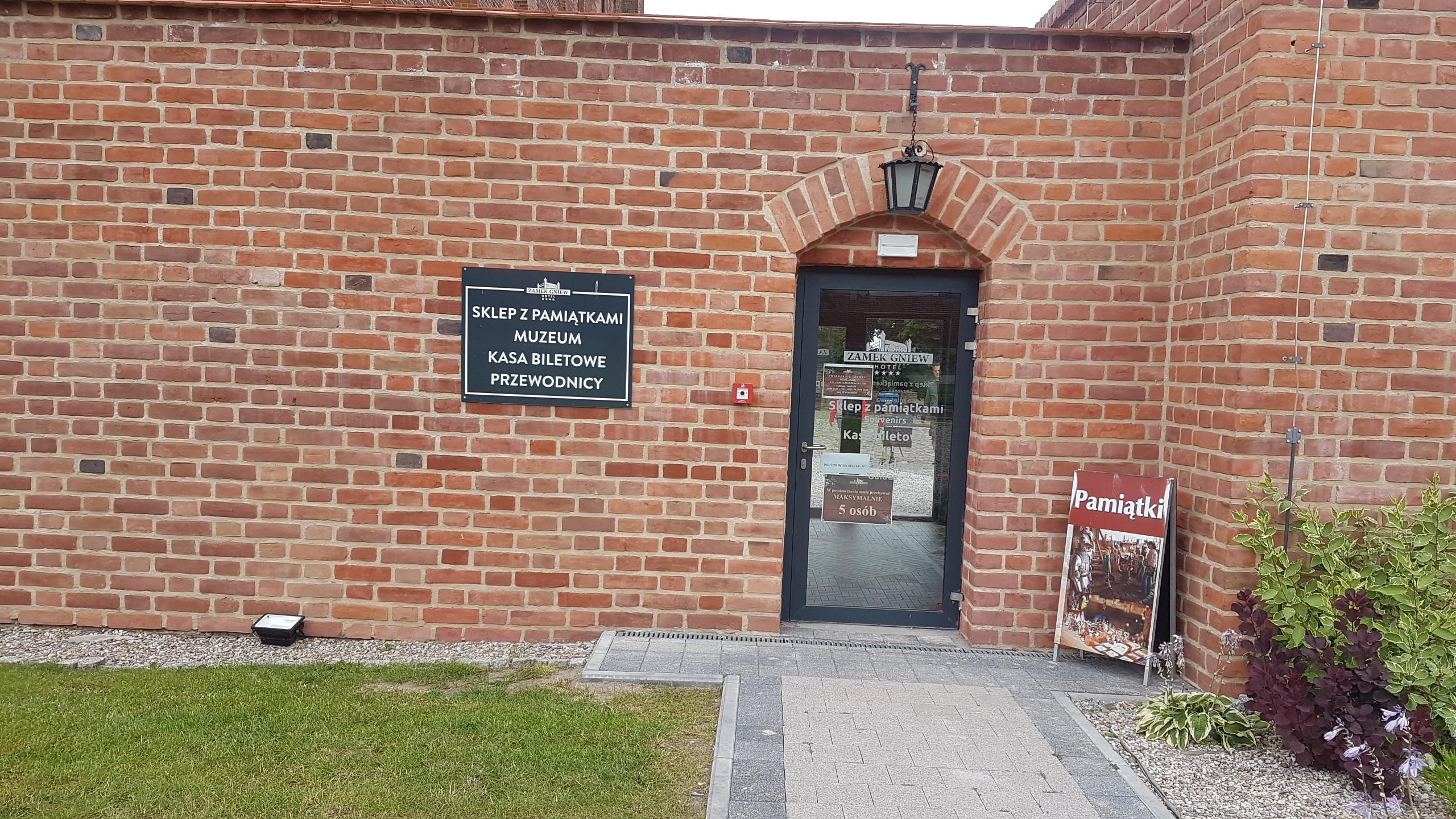
The gift shop is located inside the castle, next to the reception.
Souvenirs
The gift shop is located inside the castle, next to the reception.
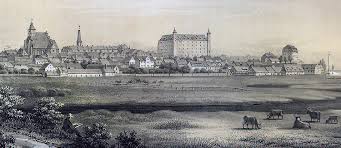
History of Gniew Castle
1276- Prince Sambor II donates the land of Gniew to the Teutonic Order
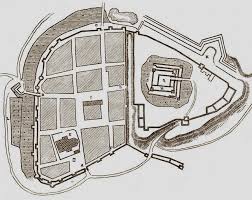
1283- The Teutonic Order begins the construction of the convent consisting of the High Castle surrounded by a moat, a vast pre-castle surrounded by defensive walls and two gates: Dybowska, leading north from the granary, and Portowa, leading towards the Vistula River to the harbour with a complex of granaries.
Teutonic period (end of 13th-1464)
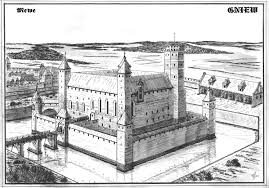
The castle in Gniew began to be built after 1290 with the construction of a quadrangular wall. After the construction, which lasted 40 years, it was, next to the castle in Człuchów and the castle in Gdańsk, the most powerful Teutonic castle on the left bank of the Vistula, serving as the seat of the Gniew commandery. After 1422, the castle was rebuilt in connection with the stay of Grand MIstor Michael Kuchmeister, bricking up the former entrance gate and building a new one on the east side, and the chapel was enlarged. During the Great War, the castle was seized in 1410 by Polish knights under the command of castellan Paweł of Wszeradów, who rebuilt it for several months. During the Thirteen Years' War between the Polish Kingdom and the Teutonic Order, in 1454 the castle was captured by the surrounding knights belonging to the Prussian Union. The castle was partially burnt down during the siege and its commander was knight Jan of Jani, nominated by King Casimir Jagiellon, but the Teutonic Knights regained it later that year. From July 1463, it was besieged by Piotr Dunin. The Teutonic Knights rushed to the relief of the besieged, which resulted in the Battle of the Vistula Lagoon, won for Poland. Gniew Castle capitulated before the royal army on 1 January 1464.
Polish starosty period (1464-1772)
By virtue of the Second Peace of Toruń, it was incorporated into Poland and became the seat of Polish starosts. Thanks to Karol Górski, we know that in the years 1466 -1472 the first starost of Gniew was Jakub Kostka, coat of arms Dąbrowa, son of Nawoj Kostka. In 1623, King Sigismund III Vasa stayed in the castle. In 1565, renovation works were carried out. In 1625, the castle was occupied by the Swedish army for two years. In 1655, during the Deluge, the castle was briefly occupied by Swedish troops. In 1657 Swedish prisoners of war were held in the castle on the orders of Hetman Jerzy Lubomirski. In the years 1667-1696 the starost of Gniew was John III Sobieski, who, even before he became king, built a new Baroque building on Podzamcze for his wife Maria Kazimiera.
After the First Partition in 1772, the castle fell into the hands of the Prussians. The Prussian period was from 1772 to 1920, and it changed its function several times, serving, among other things, as a granary (rebuilt for this purpose in the 18th century). It was rebuilt again between 1855 and 1859, when the large quadrilateral tower in the eastern corner was demolished and replaced with a turret, the porch was demolished, the moat was filled in and new window openings were made, changing the external appearance of the castle. In 1807, Jan Henryk Dąbrowski was briefly stationed in the castle. Between 1856 and 1859, the Prussian Ministry of the Interior adapted the castle into a tough prison for 900 convicts by restoring the castle chapel, building three new staircases, rebuilding two towers, and setting up a prison hospital in the so-called Marysieńka Palace.
After the First World War, in 1920, the castle and the town of Gniew returned to Poland. The Polish Army was stationed in the castle. The castle was severely damaged in a fire in 1921. The fire completely destroys the roof and 3 wings of the castle, which becomes a ruin.
After 1939, the German occupation authorities arranged a prison for Poles on the castle grounds. In the wing of the castle that survived the fire, they organised a temporary camp for Poles from Pomerania.
The reconstruction of the monument began in 1968-1974, during which the castle's medieval appearance was partially restored, and was sponsored by the Ship Mechanisms Plant "FAMA". The second phase of reconstruction began in 1992 on the initiative of the City and Municipal Council. In 2010, the Polmlek company became the owner of the castle. Currently, the castle hosts knightly tournaments, artistic blacksmithing demonstrations, camps and other events. Numerous chambers have been adapted into hotel standard flats.
Since 2001, a re-enactment of the battle fought at Gniew on 22-29 August 1626, during the so-called War of the Vistula Estuary, between the armies of two cousins - Gustav Adolf Vasa, King of Sweden, and Sigismund III Vasa, King of Poland - has been organised annually in August on the castle grounds.


