
Facilities
 Tickets and guided tours
Tickets for the tour can be purchased at the castle or online. Tour time is approximately 1.5 hours, there is a guided tour option. A night tour of the castle is also available.
Tickets and guided tours
Tickets for the tour can be purchased at the castle or online. Tour time is approximately 1.5 hours, there is a guided tour option. A night tour of the castle is also available.
 Parking
There is a large guarded car park for visitors under the castle.
Parking
There is a large guarded car park for visitors under the castle.

 Restaurant
The famous 'Duke's Restaurant' operates on the castle grounds.
Restaurant
The famous 'Duke's Restaurant' operates on the castle grounds.
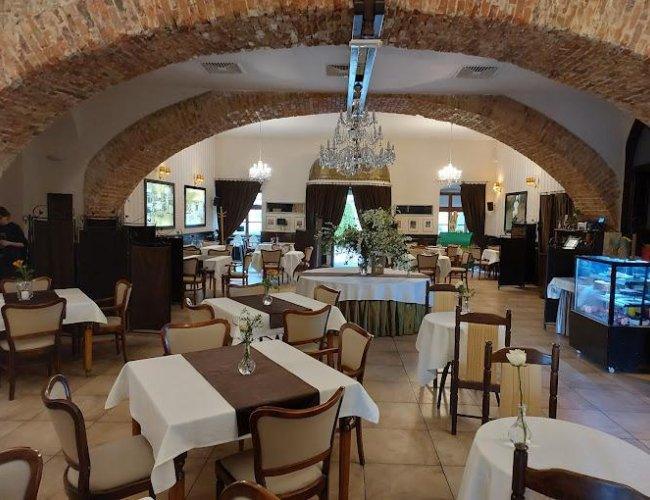
 Hotel
On the grounds of Książ Castle, there is a hotel for visitors in the bailey.
Hotel
On the grounds of Książ Castle, there is a hotel for visitors in the bailey.
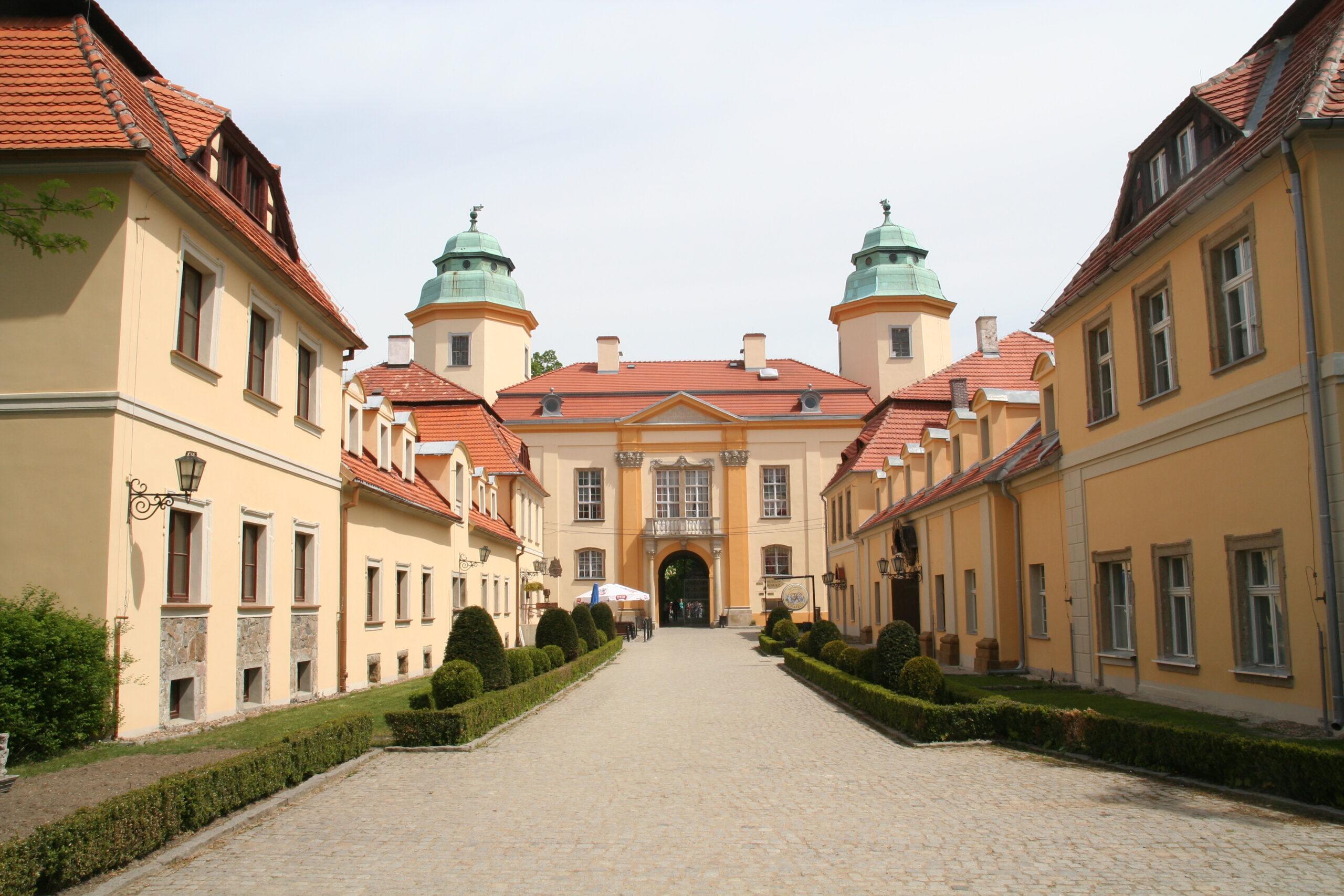
 Souvenirs
There is a well-equipped souvenir shop for tourists at the castle next to the main entrance.
Souvenirs
There is a well-equipped souvenir shop for tourists at the castle next to the main entrance.
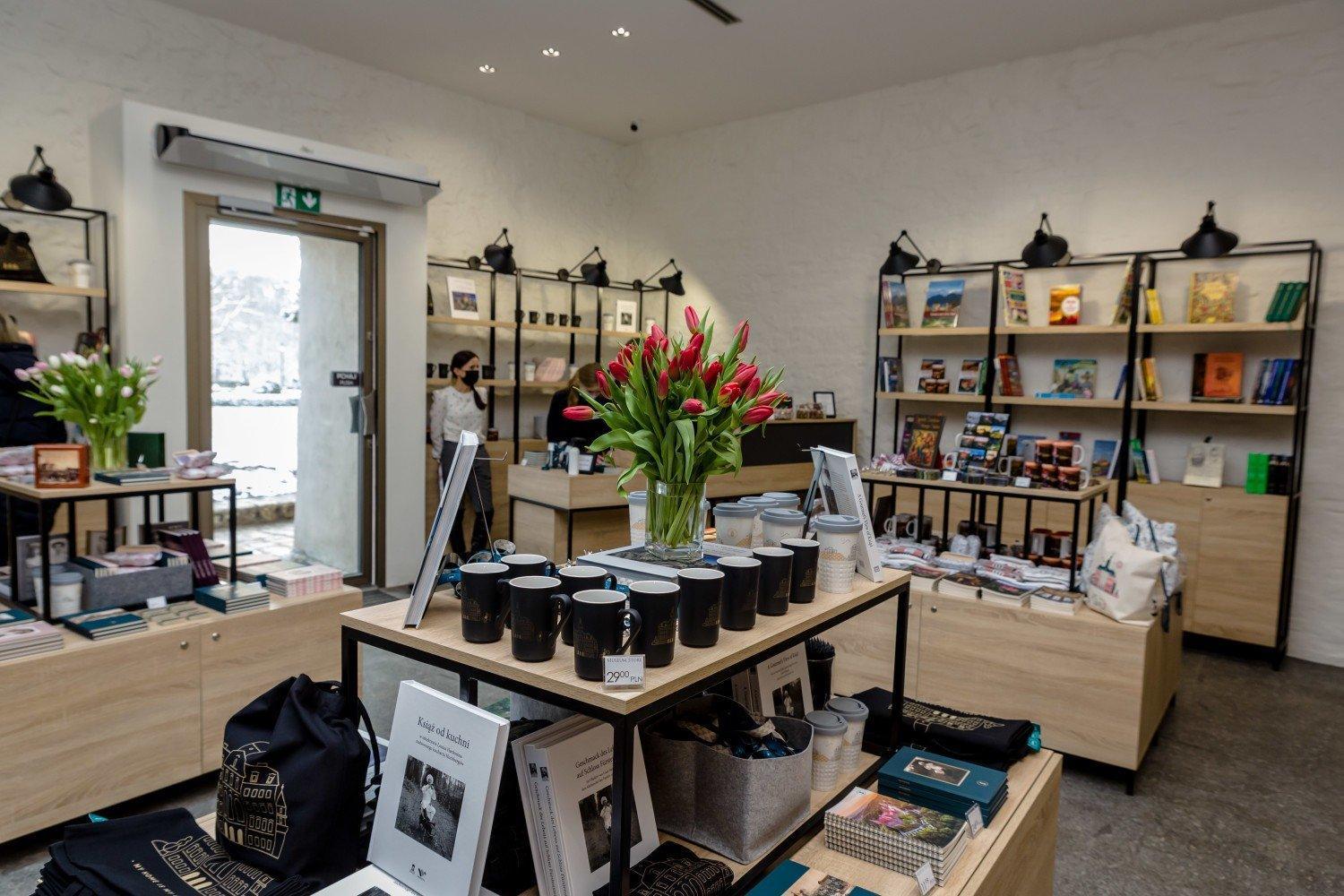
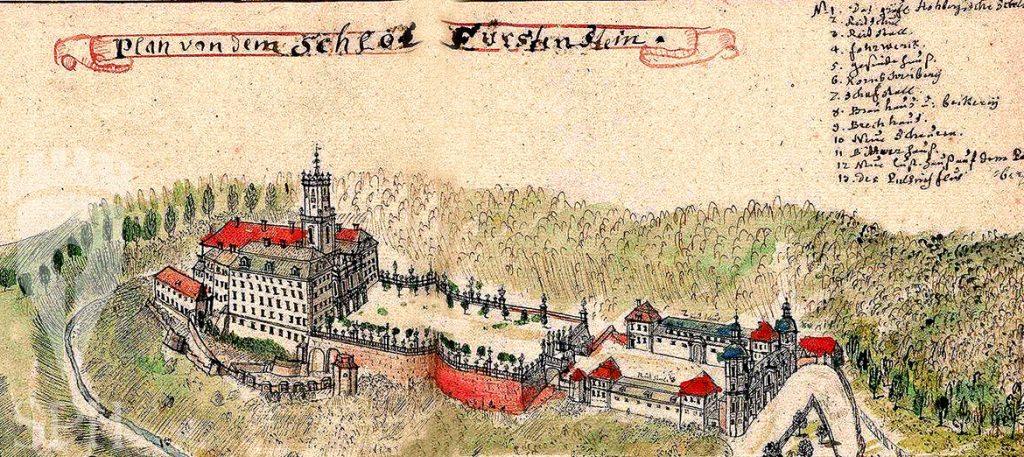
Książ Castle, located near Walbrzych in Lower Silesia, is one of the largest and most impressive fortresses in Poland. Its history is rich in events, mysteries and legends.
Genesis (13th century):
In the 13th century, more precisely in the first half of this century, Bolko I the Severe, Silesian prince of the Piast family, decided to build a fortress on the site of today's Książ castle. The location of the castle was strategically chosen, as it was situated on an important trade route in the valley of the Pelcznica River. Initially, the castle was defensive in nature, serving to defend against invasions and to control the flow of trade in the region.
Reign of the Swidnicki family (14th century):
In the 14th century, the castle passed into the hands of the Świdnica family, who expanded and modernised it. Castle Książ became an important centre of power and culture, and its political significance grew in the region.
Ownership of the Hochbergs (16th century - 20th century):
In the 16th century, Książ Castle was purchased by the Hochberg family, who became its owners for many centuries. During this period, the castle was transformed from a defensive stronghold into an elegant residence, adapted to the needs of the Renaissance and Baroque aristocracy. In the 19th century, under the Hochberg family, the castle was rebuilt in neo-Gothic style, giving it a distinctive appearance reminiscent of fairy tale castles.

Wars and Destruction (17th-18th centuries):
The period of the 17th and 18th centuries was a period of significant change, challenge and destruction for Castle Ksiaz, which had a significant impact on the course of its history.
Thirty Years' War (1618-1648):
The Thirty Years' War, one of the longest and most devastating conflicts in European history, also had an impact on Książ Castle. Although direct fighting did not reach the castle directly, the Silesian region was the scene of numerous hostilities, army marches and invasions. The war brought destruction of infrastructure, devastation of villages and towns, and economic crisis. The castle of Książ, an important centre of power and a rich source of resources, was targeted by various parties to the conflict.
The Northern War (1700-1721):
The next century brought further challenges in the form of the Northern Wars, in which Poland and its lands were involved. Although Książ Castle was not directly targeted by the wars, the effects of the wars, such as marching armies, requisitions and devastation, also affected the fortress. In addition, during this period the castle also witnessed numerous internal conflicts among the magnate families, which affected its status and ownership.
Modernisations and Reconstructions:
Despite the difficulties of wars and conflicts, Książ Castle was still considered an important residence and centre of power. During the 18th century, some modernisations and renovations were carried out to restore the castle to its former glory and to adapt it to new needs. During this period, the castle was also a cultural and political centre, playing an important role in the social and cultural life of the region.
The period of the 17th and 18th centuries was a time of challenge and change for the Książ castle, associated both with wars and destruction and with efforts to rebuild and modernise. Despite the difficulties, the Książ castle has survived as an important symbol of the history and culture of the region, a testimony to the changes and events that took place during this turbulent period.
World War II and the post-war years:
During World War II, Książ castle was taken over by the Nazi authorities and became part of the mysterious Riese project. After the war, the castle was nationalised by the Polish state, and in 1991 the municipality of Walbrzych became the owner of the castle, and the building is managed by the Ltd. Zamek Książ castle in Wałbrzych.

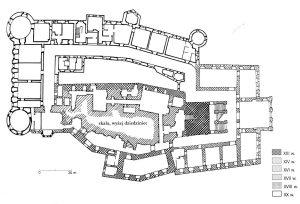
Architecture: Książ Castle, one of the most important strongholds in Lower Silesia, is an example of centuries of architectural evolution. Its architecture is a combination of different styles and eras, making it a unique monument on a European scale.
Gothic Stronghold:
The first mention of the castle dates back to the 13th century, when it was built by Bolek I the Raw. Initially, the castle was of a defensive nature and consisted mainly of a simple Gothic residential building surrounded by wood and earth fortifications.
Renaissance and Baroque Alterations:
In the 16th and 17th centuries, under the rule of the Hochberg family, Książ Castle went through periods of Renaissance and Baroque reconstruction. During this time, many new architectural elements were added to the existing Gothic structure. The inner courtyards were rebuilt and the facades were decorated with rich ornamentation. High towers and richly decorated details also became characteristic of the Renaissance and Baroque periods.
Neo-Gothic Reconstruction of the 19th century:
In the 19th century, under the influence of Romanticism and fascination with the Middle Ages, Książ Castle underwent a neo-Gothic reconstruction. As a result of these works, which were aimed at restoring the castle to its original Gothic character, the castle acquired a distinctive fairytale appearance, with towers, battlements and high pitched roofs.
Architectural Details:
The castle includes numerous halls and chambers with a variety of functions. The interiors are decorated with rich frescoes, paintings and sculptures that reflect different styles and periods. Also worth noting are the Gothic windows characteristic of the castle and ornate architectural details such as masquerades, pinnacles and blends.
Surrounding the Castle:
Książ Castle is surrounded by a picturesque landscape park, which forms an integral part of its architecture. The park, designed in the English style, enriches the architectural landscape of the castle, creating a harmonious natural and architectural composition.
The architecture of Książ Castle bears witness to centuries of history and culture, reflecting the variety of styles and eras that have shaped its course. Rich in detail and ornamentation, this fortress impresses with its charm and extraordinary beauty, attracting tourists from all over the world.
Castle Today:
Today, Książ Castle is one of the most important monuments in Lower Silesia and one of the most visited tourist destinations in Poland. Open to the public, it offers numerous attractions such as museums, gardens, restaurants and hosts various cultural and historical events.
Curiosities and Legends:
Hochberg Gold Money:
Legend has it that the treasures of the Hochberg family are hidden in the castle grounds. According to some stories, there is a secret passage in one of the castle's chambers leading to a hiding place where gold coins and precious jewels are hidden. Despite numerous searches, this treasure has not yet been found.
The ghost of Princess Daisy:
One of the most famous legends associated with Książ Castle is the story of the ghost of Princess Daisy, an English duchess from the Hochberg family. Princess Daisy, who was known for her mysterious personality and unconventional lifestyle, allegedly returned to the castle as a ghost. Many witnesses claimed to have seen her figure roaming the corridors of the castle at night.
The Secret Chamber:
Within the castle, there is a legend of a secret chamber that is invisible to human eyes. According to the story, this invisible chamber hides secrets and dark powers. This legend attracts many adventurers who try to discover its secrets.
Enchanted Lake:
Near the castle of Książ, there is a mysterious lake which, according to legends, is enchanted. It is said that ancient relics and treasures are hidden in the depths of this lake, and its waters are guarded by a guardian spirit. This lake has become the source of numerous stories and legends that have been passed down from generation to generation.
The Tale of the Enchanted Knight:
Another legend tells of an enchanted knight who was condemned to wander the castle forever. This knight, according to the story, still roams the corridors of the castle in search of liberation that would allow him to rest in eternal peace.
These curiosities and legends add to the unique charm and mysterious atmosphere of the Książ castle. Although they are often stories intertwined with historical facts, they are an important part of the culture and traditions associated with this place.


