
Facilities
 Tickets and guided tours
Tickets for the tour can be purchased directly at the main entrance of the castle. The estimated tour time is approximately 1 hour.
Tickets and guided tours
Tickets for the tour can be purchased directly at the main entrance of the castle. The estimated tour time is approximately 1 hour.
 Parking
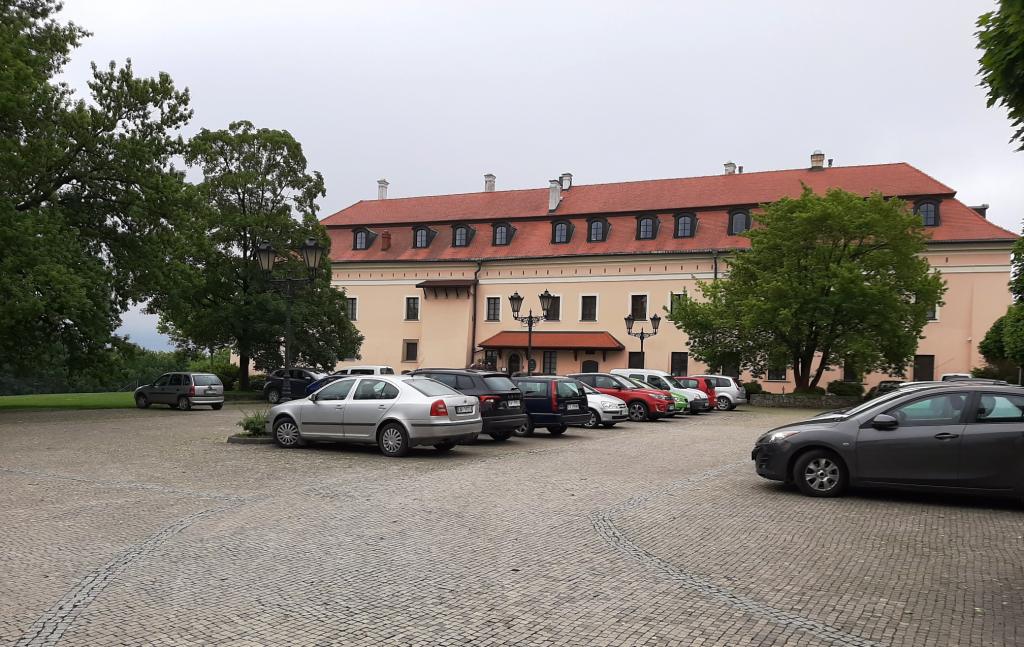
There is a car park for visitors at Niepołomice Castle, which is located a short distance from the main entrance gates.
Parking
There is a car park for visitors at Niepołomice Castle, which is located a short distance from the main entrance gates.
 Restaurant
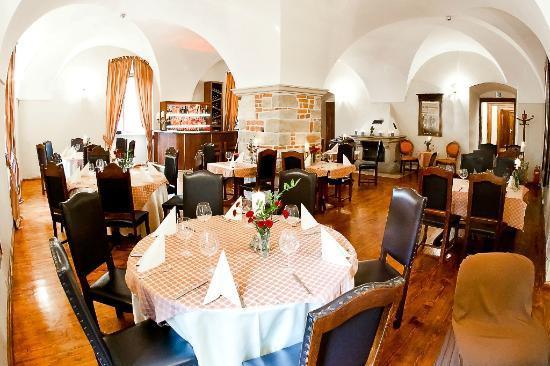
The recommended restaurant 'Bona' is located within Niepołomice Castle.
Restaurant
The recommended restaurant 'Bona' is located within Niepołomice Castle.
 Hotel
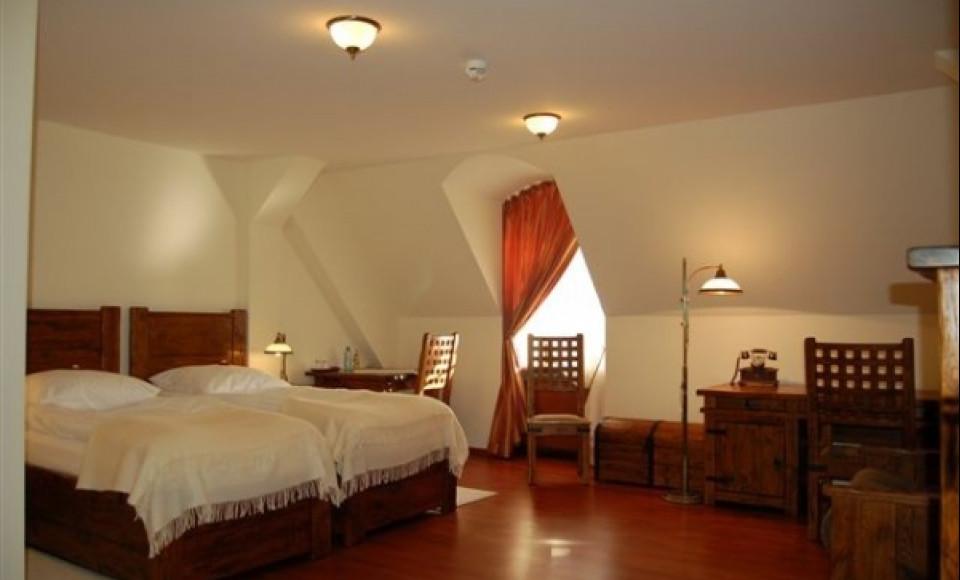
There is a hotel directly on the castle grounds, which offers accommodation in historic but comfortably furnished rooms.
Hotel
There is a hotel directly on the castle grounds, which offers accommodation in historic but comfortably furnished rooms.
 Souvenirs
Inside the castle, next to the ticket office, there is a gift shop available for tourists.
Souvenirs
Inside the castle, next to the ticket office, there is a gift shop available for tourists.
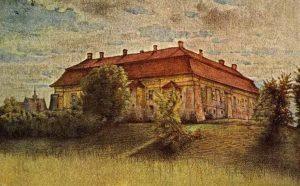

The Royal Castle in Niepołomice, located a few kilometres from Krakow, is one of the most important buildings connected with the history of the Polish monarchy. Its history dates back to the 14th century, when King Casimir the Great decided to build a brick castle on the site of a previously existing wooden watchtower. The castle became part of the defence system, but also a prestigious royal residence, popular with Polish monarchs, especially as a hunting ground in the nearby Niepołomice Forest. The Royal Castle in Niepołomice, is a place that exudes history, culture and unique charm in every detail. It is a remarkable work of architecture that has played an important role in Polish history for centuries. This castle is a fascinating combination of styles and eras, creating an unforgettable atmosphere that delights every visitor. We invite you to discover this unique place, where the past and the present meet, and every corner hides the secrets of past centuries. The castle was the site of important historical events, including meetings and deliberations of Polish kings. In its heyday, it was also a cultural and artistic centre, attracting many prominent artists and scholars. In the 18th century, after the partitions of Poland, the castle fell into disrepair and began to slowly deteriorate. It was not until the 20th century that extensive renovation work was carried out to restore it to its former glory. Nowadays, the castle in Niepołomice serves as a centre of culture and tourism, contains a museum and is a venue for conferences and meetings.
Genesis and construction (13th century - 15th century):
The history of the Royal Castle in Niepołomice began in the 13th century, when a wooden defensive fortress was erected on the site of the present village of Niepołomice. Later, during the reign of King Casimir the Great, work began on building a brick castle. King Casimir the Great built a beautiful residence on the site, which was to fulfil political and defensive functions.
Jagiellonian reign and expansion (15th century - 16th century):
In the following centuries, the castle remained in royal hands, and the reign of the Jagiellons brought expansion and modernisation to the building. In the 16th century, King Sigismund I the Old took up residence in Niepołomice, which led to significant alterations, including the construction of new wings and a chapel.
The period of the Polish-Lithuanian Commonwealth (17th century - 18th century):
In the 17th century, during the Polish-Lithuanian Commonwealth, the castle was used as a royal residence during the rulers' visits to Malopolska. However, as a result of the Swedish and Cossack wars and the economic crisis, the castle fell into gradual degradation.
Prussian and Russian period (18th century - 19th century):
In the 18th century, the castle came under Prussian and then Russian rule. This period brought further neglect and damage to the building. The castle lost its role as a royal residence.
World War II period (20th century):
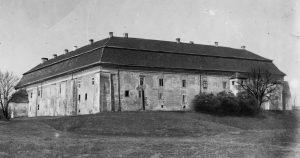
During World War II, the castle was occupied by the Germans, who destroyed some of its interiors. After the war, the castle was restored and the ruined parts of the building were rebuilt.
Architecture: The architecture of Niepołomice Castle is extremely interesting for its diversity and evolution over the centuries.
Gothic and Renaissance styles:
The main body of the castle in Niepołomice is built in the Gothic style, with elements characteristic of that period, such as pointed arches and rich architectural details. The Gothic windows and portals create the unique character of the building. However, the castle also underwent significant reconstruction during the Renaissance period, which introduced new architectural elements.
Towers and towers:
The castle is surrounded by numerous towers and towers, which give it a unique defensive character. The castle's towers, such as the Thieves' Tower and the Straw Tower, are both decorative and defensive.
Arcades and courtyards:
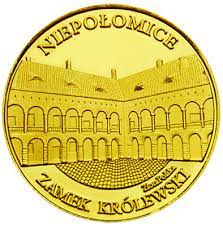
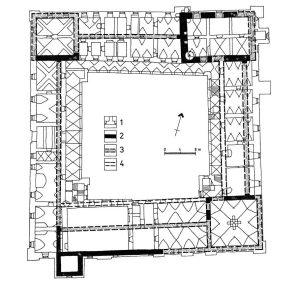
The inner courtyards of the castle are surrounded by arcades and cloisters, creating a coherent and beautiful spatial layout. The arcades are decorated with details in the Renaissance style.
Royal Chapel:
The castle chapel, which bears Gothic and Renaissance features, is one of the most important places in the castle. Its interior is decorated with beautiful stained-glass windows and frescoes.
The interior of the castle:
The interiors of the castle retain the authentic character of past centuries. The interiors are decorated in Renaissance and Gothic styles, with valuable collections of furniture, portraits and works of art.
Mill Tower:
One of the characteristic elements of the castle is the Mill Tower, which rises above the nearby river. It is a defensive tower with Renaissance elements.
Big Bastion:
In the northern part of the castle is the Great Bastion, which is a part of the fortifications from the Renaissance period.
Building block:
The castle was built in brick, which gives it its red colour and contrasts beautifully with the green of the surrounding gardens.
The castle today (21st century):
Today, the Royal Castle in Niepołomice is one of the most important cultural and tourist sites in the Małopolska region. It serves as a museum where one can admire the rich collections of art, furniture, works of artistic craftsmanship and interiors that reflect different periods in Polish history. The castle is also a venue for various cultural events, concerts and exhibitions.
The Royal Castle in Niepołomice is not only an important monument, but also a place that takes visitors back to different historical eras. Its architecture and rich history testify to the importance of Niepołomice in the history of Poland. It is a place worth visiting to learn about the fascinating history of this royal residence.


