Facilities
 Tickets and guided tours
Tickets for the tour can be purchased immediately at the castle grounds. The estimated tour time is approximately 45-60 minutes.
Tickets and guided tours
Tickets for the tour can be purchased immediately at the castle grounds. The estimated tour time is approximately 45-60 minutes.
 Parking
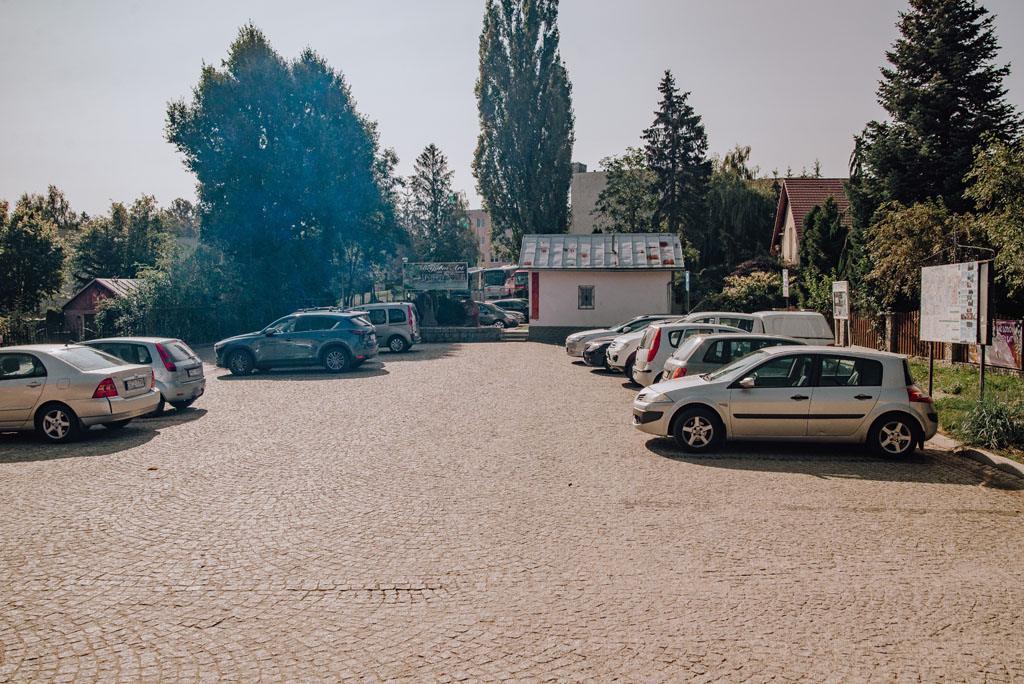
There is a guarded car park a short distance from the castle.
Parking
There is a guarded car park a short distance from the castle.
 Restaurant
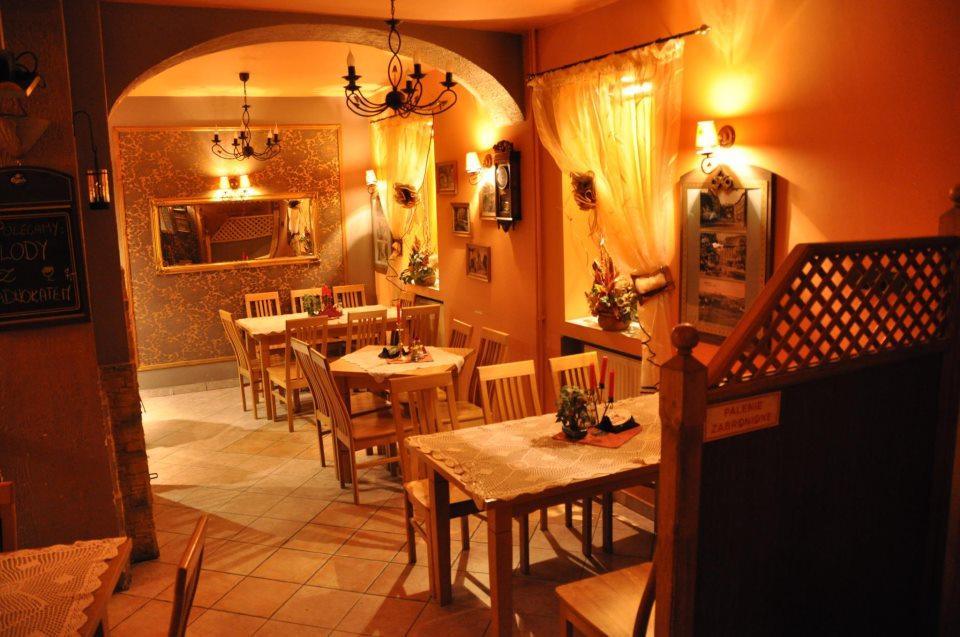
We recommend the "Zacisze" restaurant in the town of Bolków.
Restaurant
We recommend the "Zacisze" restaurant in the town of Bolków.
 Hotel
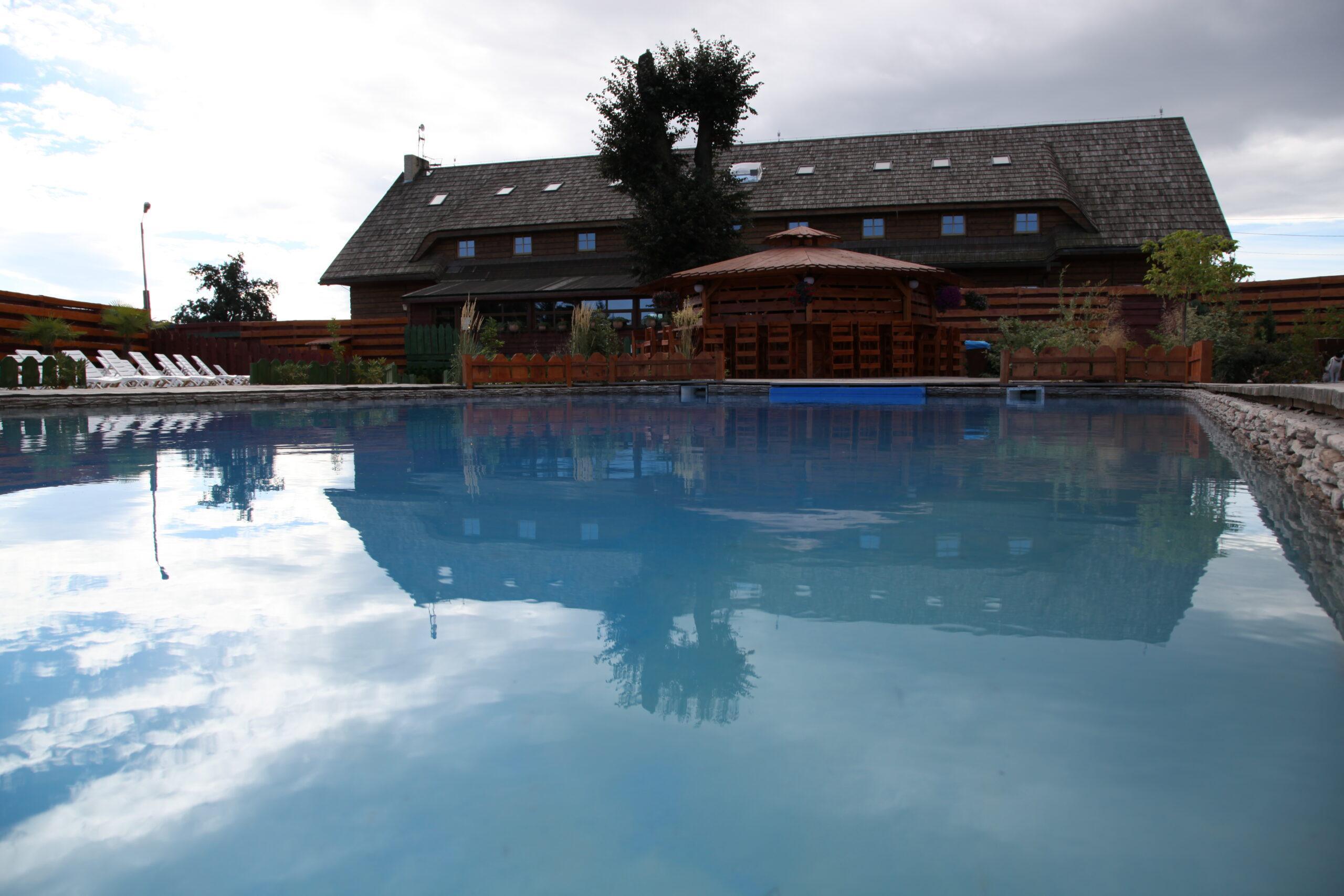
Within the town of Bolków lies the prestigious recommended hotel "Karczma u Macieja".
Hotel
Within the town of Bolków lies the prestigious recommended hotel "Karczma u Macieja".
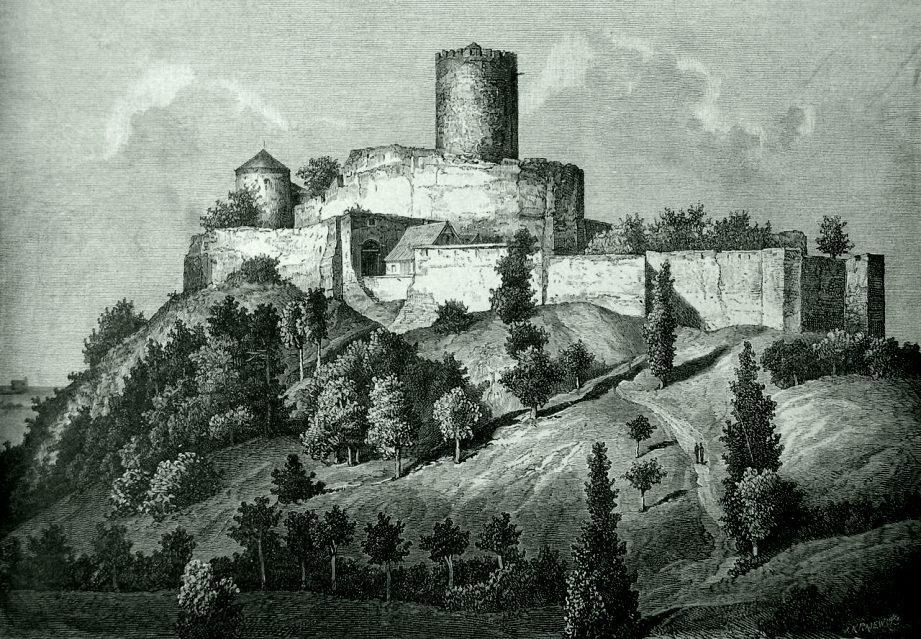
Bolków Castle is one of the most important medieval castles in Poland, having played an important role in the history of the region for centuries. Located in the picturesque Bolków Basin, it is one of the most fascinating testimonies to the history of medieval Poland. Its roots date back to the 13th century, when it was erected by Duke Bolko I the Severe, one of the most important rulers of Silesia from the Piast dynasty. The stronghold of Bolków, due to its strategic location on the trade route, soon became an important point on the map of Silesia. The castle served not only a defensive function, but also as an administration and residence for the princes. Its massive walls, towers and fortifications testified to its power and importance at the time. Over the centuries, the castle has repeatedly witnessed important historical events. During numerous armed conflicts, including the Silesian wars and invasions, Bolków Castle played a key role as a defensive point and bastion for the local population. Its walls have survived many sieges and attacks, which testifies to their solidity and functionality.
Genesis: Bolków Castle has its roots in the 13th century, during the period of intense development of the Piast state in Silesia. It was a time when the Silesian princes, expanding their power and influence, erected new fortresses to strengthen their position and control over strategic areas of the region.
In a historical context, the founding of Bolkow Castle by Bolko I the Raw had several key reasons:
Strategic location
: The Bolkow Basin, in which the castle was built, was characterised by important communication and trade routes. Control of this area enabled control of important roads leading through Silesia.
Border Security
: In the 11th and 12th centuries, Silesia was the arena of numerous conflicts between various princes and neighbouring states. The erection of the castle in Bolków served as a defensive element in the system of fortifications protecting the borders of the Świdnica-Jawor principality.
Expansion and Prestige
: The construction of new castles was also a manifestation of the ruler's power and prestige. The erection of a stronghold, such as Bolków Castle, testified to the ambitions and aspirations of Bolko I the Raw in a political and social context.
Control of Local Resources
: The Bolkow Basin was surrounded by fertile land and rich in natural resources. By controlling this area, the duke was assured of access to important resources such as land, water and timber necessary to maintain the castle and its staff.
Thus, the genesis of Bolków Castle is closely related to the political, military and economic aspirations of the ruler and the strategic needs of the medieval world at that time. The construction of the castle was a conscious decision by Bolko I the Raw to strengthen his position, secure the borders of the duchy and control a key region of Silesia.

Bolkow Castle in a Period of Wars and Conflicts:
Bolków Castle, during its long existence, witnessed many conflicts that had an impact on shaping the history of Silesia and Poland in general. It changed its owners many times and served various functions depending on the current political and military conditions.
13th century
: The castle's beginnings coincided with a period of rebellions and power struggles among the Piasts. Silesia was a place where different branches of the dynasty waged disputes over the ducal throne. Bolków Castle, as an important defensive point, probably played a role in these internal conflicts.
14th century
: In this century, Silesia became a battlefield between the Teutonic Knights and the Kingdom of Poland. Bolków Castle, due to its strategic location, could be the site of numerous sieges and clashes. Several important battles for control of the castle and the surrounding area took place during this time.
15th century
: The 15th century was a time of intense struggles over Silesia between the Kingdom of Poland and the Kingdom of Bohemia. Bolków, as one of the key defensive points, was probably often besieged and defended during these conflicts. During this time, the castle may also have been a place of refuge for civilians during periods of invasion and danger.
16th-17th centuries
: The period of religious wars and dynastic conflicts in Europe was also reflected in Silesia. Bolkow, although not central to these conflicts, was still important as a defensive and administrative point. The castle could also be used as a prison for political opponents.
In each of these centuries, Bolkow Castle acted as an important defence and administrative centre, and its history is inextricably linked with the history of Silesia and Poland. The multiple changes of owners and the numerous conflicts that took place around the castle attest to its strategic importance and the role it played in the medieval politics and defence of the region.
Modernity and the Romantic Period:
After the medieval period, when Bolków Castle had mainly defensive and administrative functions, times came that brought new challenges and changes to its history. In the modern period, the castle began to lose its importance as a defensive stronghold, but gained new life as a witness to history and a cultural site.
18th-19th centuries - Modernisation and Neglect
: The 18th century brought many changes in architecture and attitudes to monuments. Many castles in Europe went through a period of renovation and modernisation, but some, including Bolków, were neglected due to lack of funding or changing political realities. Bolków Castle, although still impressive, began to lose its former splendour.
The 19th century - the discovery of Romanticism
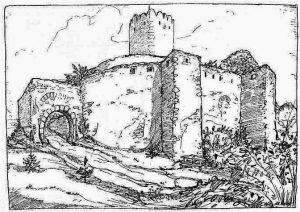
: During the period of Romanticism, which prevailed in Europe in the 19th century, Bolków Castle became a source of inspiration for many artists, poets and writers. Romantics loved the mystery and history of ancient places, seeing them as places full of legends and stories. The castle, with its ancient walls and rich history, became the focus of many romantic stories. Artistic drawings, paintings and poems capturing the atmosphere of the castle began to appear in literature and art of the period.
Tourism and Historic Preservation
: In the second half of the 19th century, as tourism developed, Bolkow Castle became a popular destination. Although it was in a state of considerable neglect, its tourism potential was still recognised. Local authorities and history enthusiasts began to take steps to protect and restore the castle.
A Legacy for Future Generations
: The 19th century also brought with it a greater awareness of cultural heritage. Bolków Castle, with its unique combination of architecture and history, began to be seen as an important part of the cultural heritage of the region and the country. Actions taken during this time were aimed at preserving and promoting the castle as an important cultural and tourist site.

Architecture:
Bolkow Castle is an example of defensive architecture, whose purpose was not only to provide defence, but also to reflect the power and importance of the owner. Its building has evolved over the centuries, combining different styles and functions, from simple defensive structures to more representative and comfortable rooms.
Outline Plan
: Originally, the castle had a rectangular form with corner towers and towers that served as observation and defence points. This shape was typical of early medieval fortresses and enabled effective defence against external attacks.
Defensive walls
: Thick, massive stone walls formed the main defence of the castle. These walls were equipped with firing ranges that allowed the castle to shoot at enemies while minimising the risk of being hit back.
Towers and towers
: The castle was equipped with defensive towers that rose above the walls, providing an additional observation and shooting point. The towers, lower than the towers, allowed better control of the area around the castle.
Gates and Bridges
: The entrance to the castle was through a defensive gate, which was one of the most important defensive points. It was often protected by a drawbridge or lift bridge that could be raised in case of danger.
Internal premises
: Inside the castle walls were various rooms such as living quarters, a chapel, kitchens and storerooms. Over time, with the development of architecture and changing needs, these rooms were extended and modernised.
Decorative elements
: Bolków Castle, like many other fortresses, was not only a defensive but also a representative place. In later periods, especially under the influence of the Renaissance and Baroque, decorative elements such as wrought iron grilles, stone cornices and painted ceilings were added to the architecture.
Changes and modernisations
: Over the centuries, the castle has been repeatedly modernised and extended in response to changing political and military conditions. As defence techniques developed, the castle architecture adapted, integrating new solutions and technologies.
The architecture of Bolkow Castle bears witness to the history and evolution of medieval defences. Its buildings, rooms and decorative elements reflect not only defensive, but also representative and symbolic functions, making it not only a fortress, but also a testimony of power and importance in a given historical period.
Castle Today: Standing proudly on a rocky hill, Bolków Castle today is a fascinating testimony to the region's rich history. The castle walls, although partly destroyed and transformed over the centuries, still exude majesty and mystery. On the one hand, it serves as a tourist attraction, attracting numerous people interested in history and architecture, while on the other hand, it is an important part of the cultural landscape, reminding us of the old days and past history. Nowadays, after numerous renovations and restorations, the castle is the venue for frequent cultural events, concerts and festivals, which further emphasises its role in today's community.


