
Facilities
 Tickets and guided tours
Tickets can be purchased online at bilety.wawel.krakow.pl (up to 4 weeks in advance) or at the ticket office on the day of your visit. Admission is limited, so during the high season it is advisable to buy them in advance. It takes around 4–5 hours to see all the exhibitions. Audio guides and tour guides are available.
 Parking
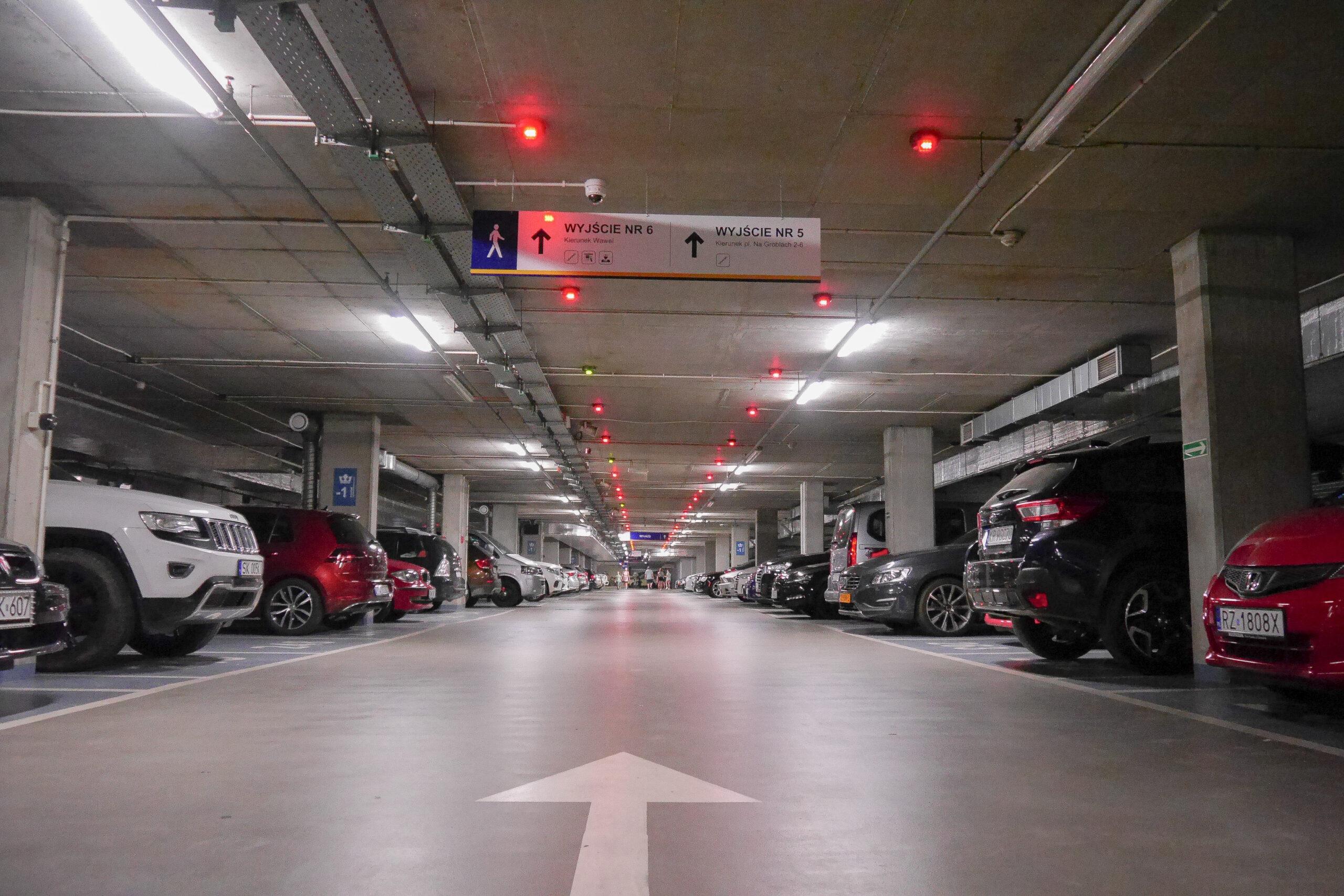
The nearest paid underground car park is at Na Groblach Square (about a 5-minute walk). Paid on-street parking spaces are available on Smocza and Bernardyńska Streets, whilst coaches can park at 11 Powiśle Street.
 Restaurant
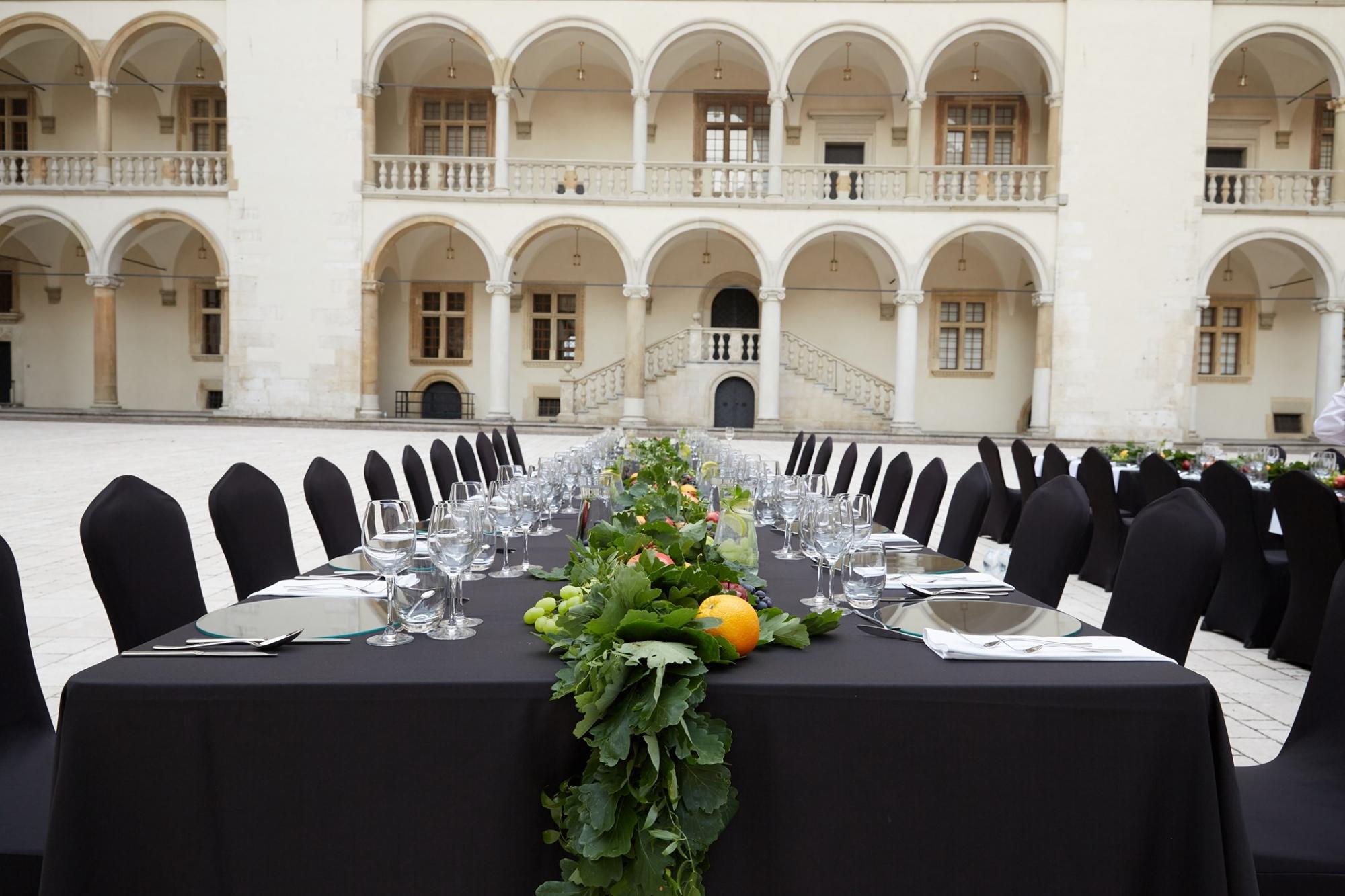
On the ground floor of the Castle Exhibition and Conference Centre there is a restaurant complex, whilst numerous restaurants and cafés can be found on Kanonicza and Grodzka Streets at the foot of Wawel.
 Hotel
There is no hotel at Wawel. There are plenty of places to stay nearby, in the Old Town, including the Copernicus Hotel on Kanonicza Street.
 Souvenirs
Publications and souvenirs from the Royal Castle are available at Wawel and via the online shop at sklep.wawel.krakow.pl.


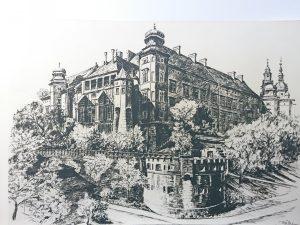
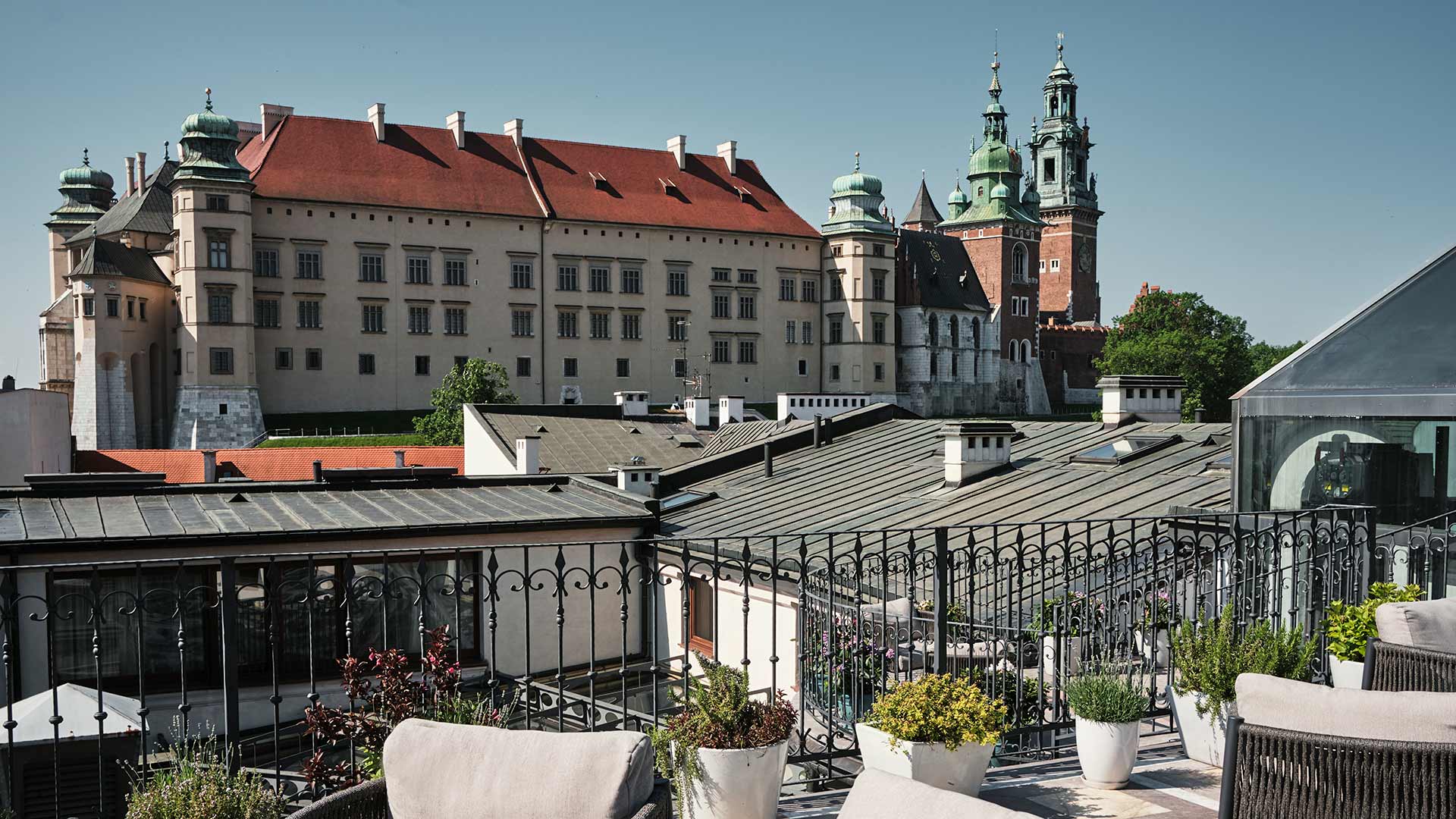
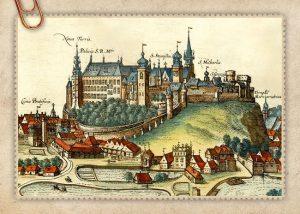
Wawel Royal Castle stands on a limestone hill overlooking the Vistula, on the edge of Kraków’s Old Town. For centuries, it was the seat of Poland’s rulers and, together with the neighbouring cathedral, the site of royal coronations and burials. Today, it houses one of the country’s most important museums, and its Renaissance arcaded courtyard is one of the most recognisable landmarks in Central Europe.
The Beginnings – The Hill of the Rulers
Wawel Hill has been inhabited since prehistoric times, and in the early Middle Ages it became a centre of power. In the 10th and 11th centuries, the first stone buildings were erected here, including the pre-Romanesque rotunda of the Blessed Virgin Mary (known as the Rotunda of Saints Felix and Adauctus) and the Romanesque palatium. From the mid-11th century, Kraków was the principal seat of the Piast dynasty, and in 1320, Władysław Łokietek was crowned in Wawel Cathedral, marking the beginning of a centuries-long tradition of coronations at Wawel.
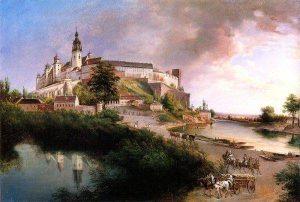
Gothic castle
In the 14th century, Casimir the Great extended the residence in the Gothic style. Further Gothic elements, including the Kurza Stopka and Duńska towers and the Sandomierska and Złodziejska turrets, were built in the 14th and 15th centuries. At that time, Wawel was not only the king’s home, but also the seat of the court, the chancellery and the Crown Treasury.
Renaissance-style reconstruction
The 16th century marked a turning point. On the initiative of Alexander Jagiellon, and above all Sigismund I the Old, the Gothic castle was rebuilt into a Renaissance residence from around 1504. The work was carried out by Franciszek Florentczyk, followed by Master Benedykt and Bartolomeo Berrecci. The result was a four-winged palace with a courtyard surrounded by storeys of arcaded cloisters – one of the earliest and most magnificent works of the Renaissance north of the Alps. Between 1519 and 1533, the Berrecci brothers built the Sigismund Chapel next to the cathedral, considered a jewel of the Renaissance in Poland.
Zygmunt August enriched the interiors with his famous collection of tapestries, woven for him in Brussels. The ceiling of the Deputies’ Hall, featuring carved heads, also dates from this period; some of these heads have survived to this day.
From the fire to the Partitions
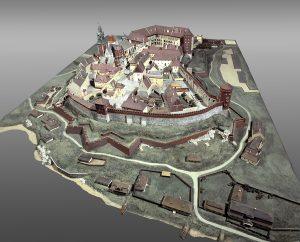
In 1595, a fire destroyed the north-eastern part of the castle. Sigismund III Vasa rebuilt it in the early Baroque style, but soon moved the court to Warsaw. Wawel remained the site of royal coronations and burials, but its importance as a residence waned. The castle suffered damage during the Swedish Deluge, and following the Partitions, the Austrians converted it into barracks – part of the buildings on the hill were demolished at that time, and the interiors were devastated.
The Revival and the 20th century
In 1905, the Austrian army left Wawel and a long-term restoration of the castle began, led, amongst others, by Zygmunt Hendel and Adolf Szyszko-Bohusz. After Poland regained its independence, Wawel became the state’s official residence and a museum. During the Second World War, the castle served as the seat of the Governor-General, Hans Frank. The most valuable collections, including the tapestries and the Szczerbiec sword, were evacuated in 1939 – they eventually ended up in Canada, from where they returned to Kraków in 1961.
Architecture
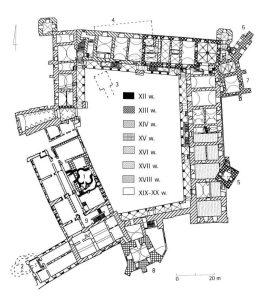
The castle complex comprises four wings surrounding an arcaded courtyard, towers and turrets from the medieval fortifications, and sections of the former fortifications. The underground passages contain preserved remains of pre-Romanesque and Romanesque structures, which are open to the public as an exhibition. On the upper floors, visitors can explore the state rooms, including the Deputies’ Hall with the Wawel Heads and the tapestry-adorned chambers, as well as the Crown Treasury with the Szczerbiec and the Armoury.
Curiosities and legends
The best-known story associated with Wawel is the legend of the dragon that lived in a cave beneath the hill. According to the most popular version, he was defeated by a cobbler named Skuba, who tricked him into eating a ram stuffed with sulphur – the dragon drank water from the Vistula until it burst. The cave, known as the Dragon’s Den, is now open to visitors, and at its entrance stands a fire-breathing statue of a dragon.
The Sigismund Bell, cast in 1520 at the behest of Sigismund I the Old, hangs in the tower of Sigismund’s Cathedral. It is one of the largest bells in Poland and is rung only on special occasions. Most of Poland’s kings are buried in the cathedral’s crypts, as well as, amongst others, Tadeusz Kościuszko, Adam Mickiewicz and Józef Piłsudski. The hill is also associated with the modern-day belief in a „chakra” – a stone said to radiate a special energy; this is a popular myth, with no scientific or historical evidence to support it.
Wawel today
Wawel Royal Castle is a state cultural institution and museum. It offers permanent and temporary exhibitions, the royal gardens and the towers. Together with Kraków’s Old Town, Wawel was included on the first UNESCO World Heritage List in 1978. The number of visitors to the exhibitions is limited, so during the peak season it is advisable to buy tickets in advance via the museum’s official website.


