Facilities
 Tickets and guided tours
Tickets for the Teutonic Castle and the exhibition “Działdowo – the Town and People of the Old Borderland” are sold at the Borderland Museum ticket office. A standard ticket costs PLN 18, reduced PLN 12. Individual visits do not require a guide. A guide costs PLN 100 per 25 people, and groups of more than 10 should book in advance.
 Parking
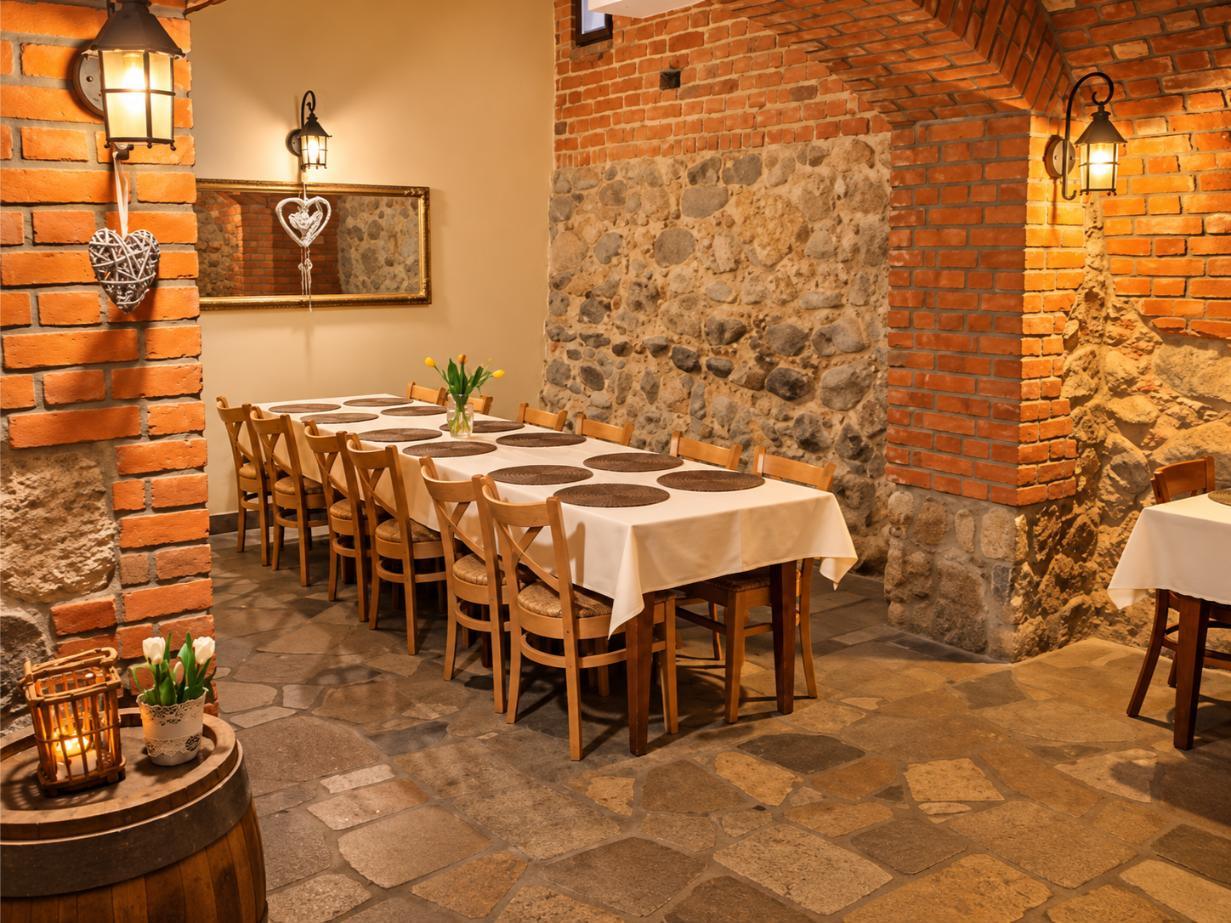
There are large car parks right next to the castle, so arriving by car and parking is no problem.
 Restaurant
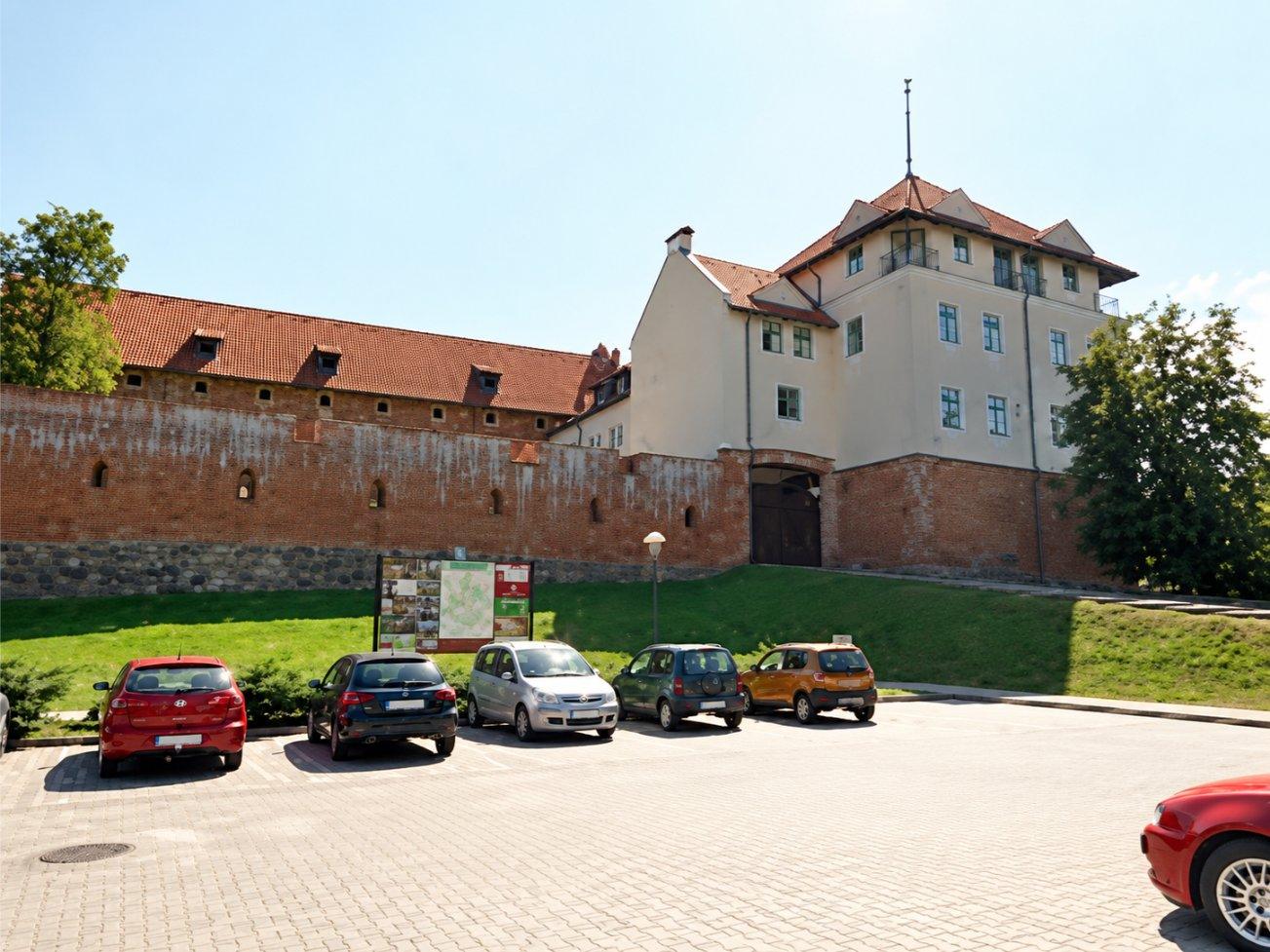
Right next to the castle is the “Przedzamcze” restaurant at ul. Zamkowa 9.
 Hotel
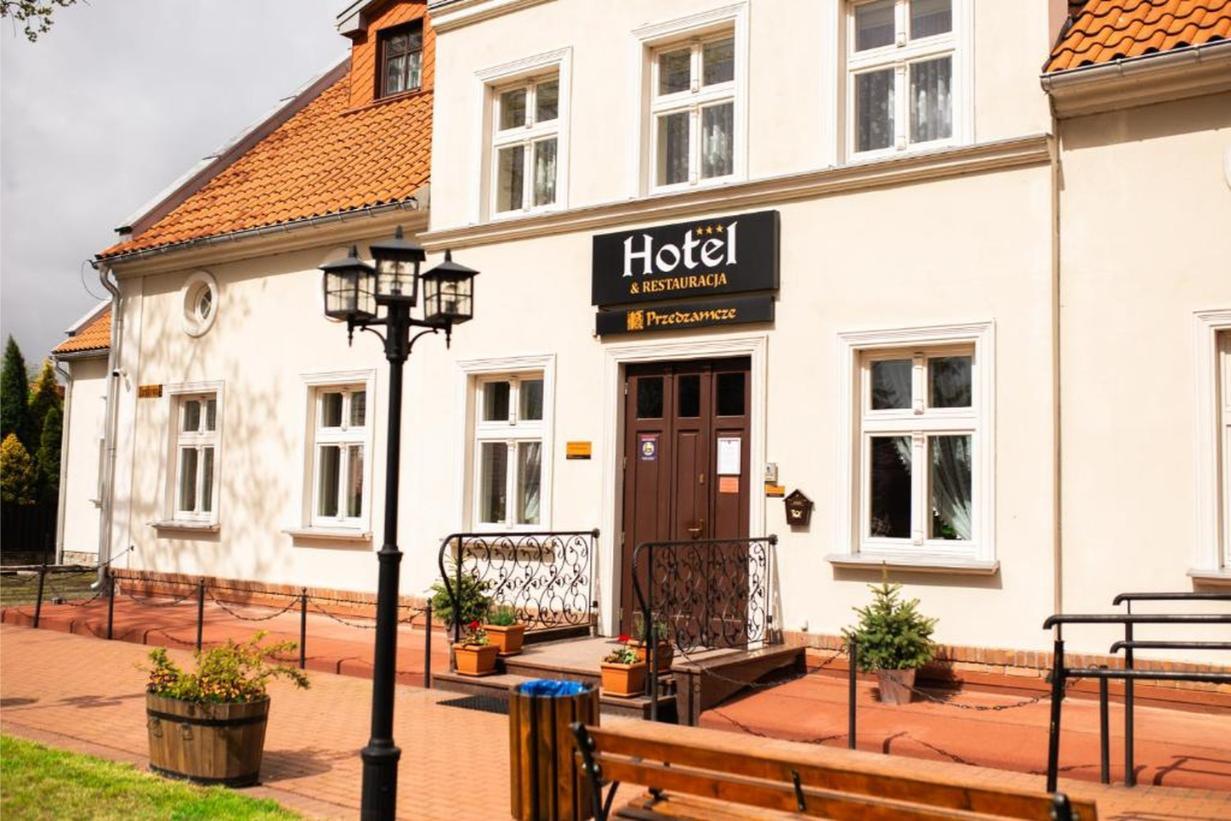
For tourists planning a longer stay we recommend Hotel “Przedzamcze” right next to the castle at ul. Zamkowa 9.
 Souvenirs
The Borderland Museum ticket office sells souvenirs related to the castle, Działdowo and the region's history, including magnets, key rings, badges and publications.
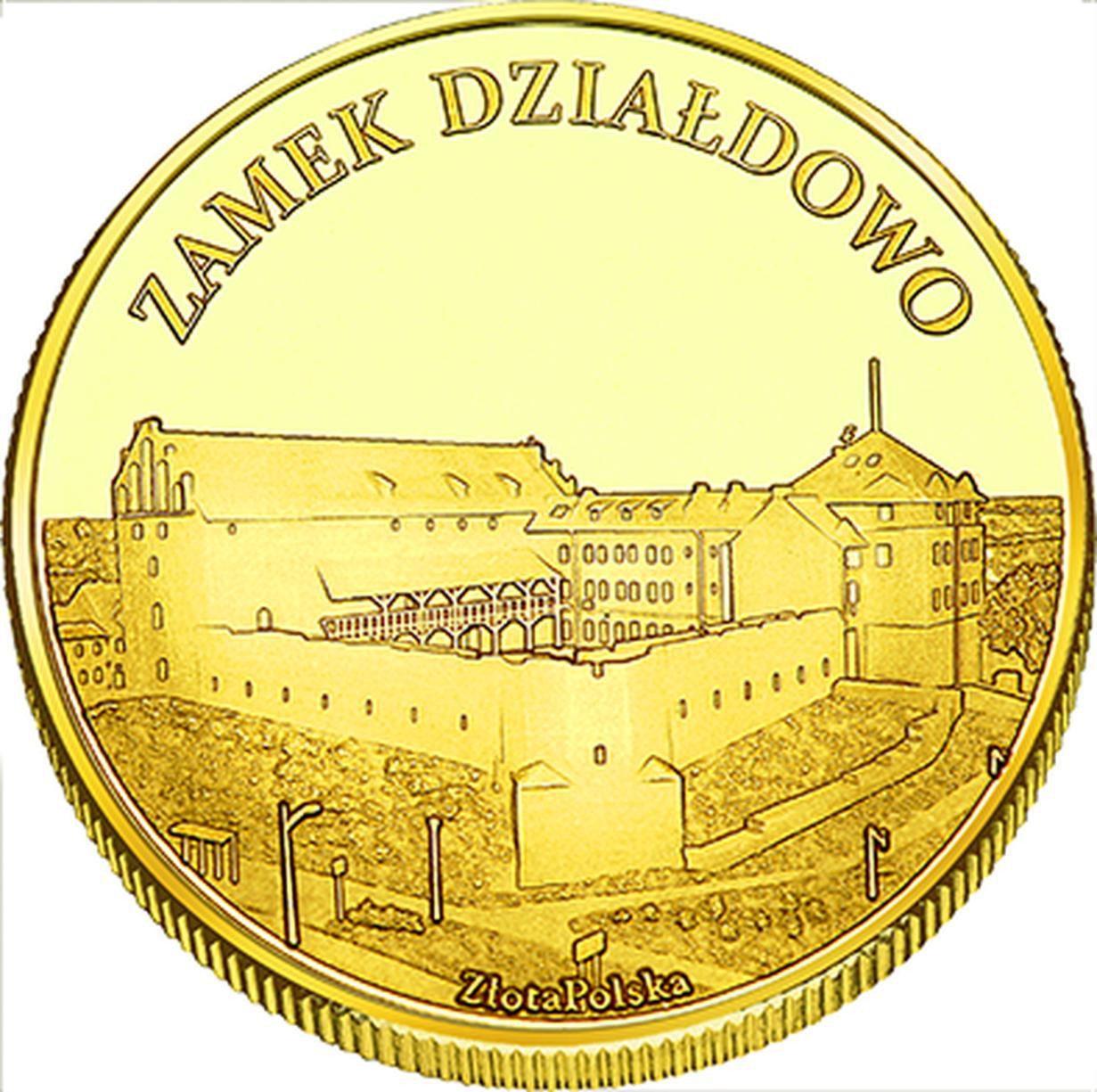
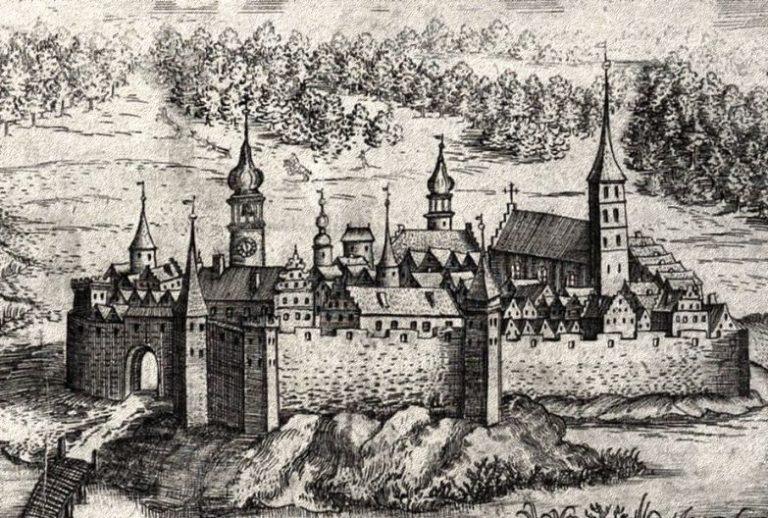
Działdowo Castle is a Teutonic stronghold built on the former border between the Order’s territory and Mazovia. For centuries, it served as the seat of the Order’s bailiffs and, later, the starosts of Ducal Prussia; it changed hands many times and nearly fell into ruin. Today, the restored Gothic ‘Dom Duży’ houses the Działdowo Borderland Museum, whilst the reconstructed west wing is home to the Town Hall.
The origins of the castle
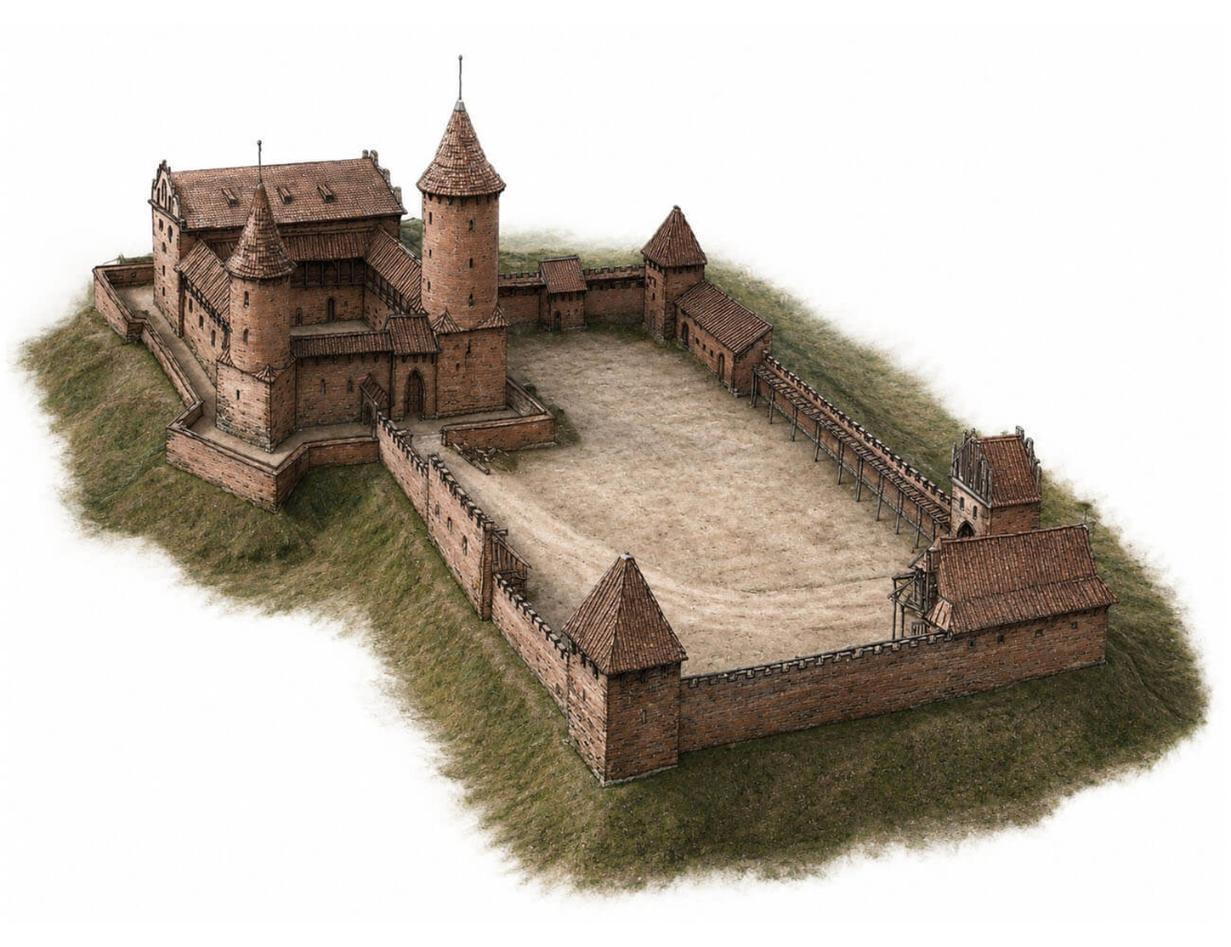
The lands around Działdowo came under the control of the Teutonic Order at the turn of the 13th and 14th centuries. Work on fortifying the site was due to begin in 1306, although the first fortification was probably a small watchtower. Following the establishment of the border with Mazovia in 1343, the castle is first mentioned in historical sources, and in 1344 a town was founded beside it. The stone stronghold was built in stages – first the Great House was erected, followed in subsequent decades by the perimeter walls and the gate. Work continued until around 1391.
The location had been carefully chosen: the castle was protected on three sides by marshes and on the fourth by a river. The stronghold was surrounded by a wall and a moat.
The commune administrators’ headquarters on the border
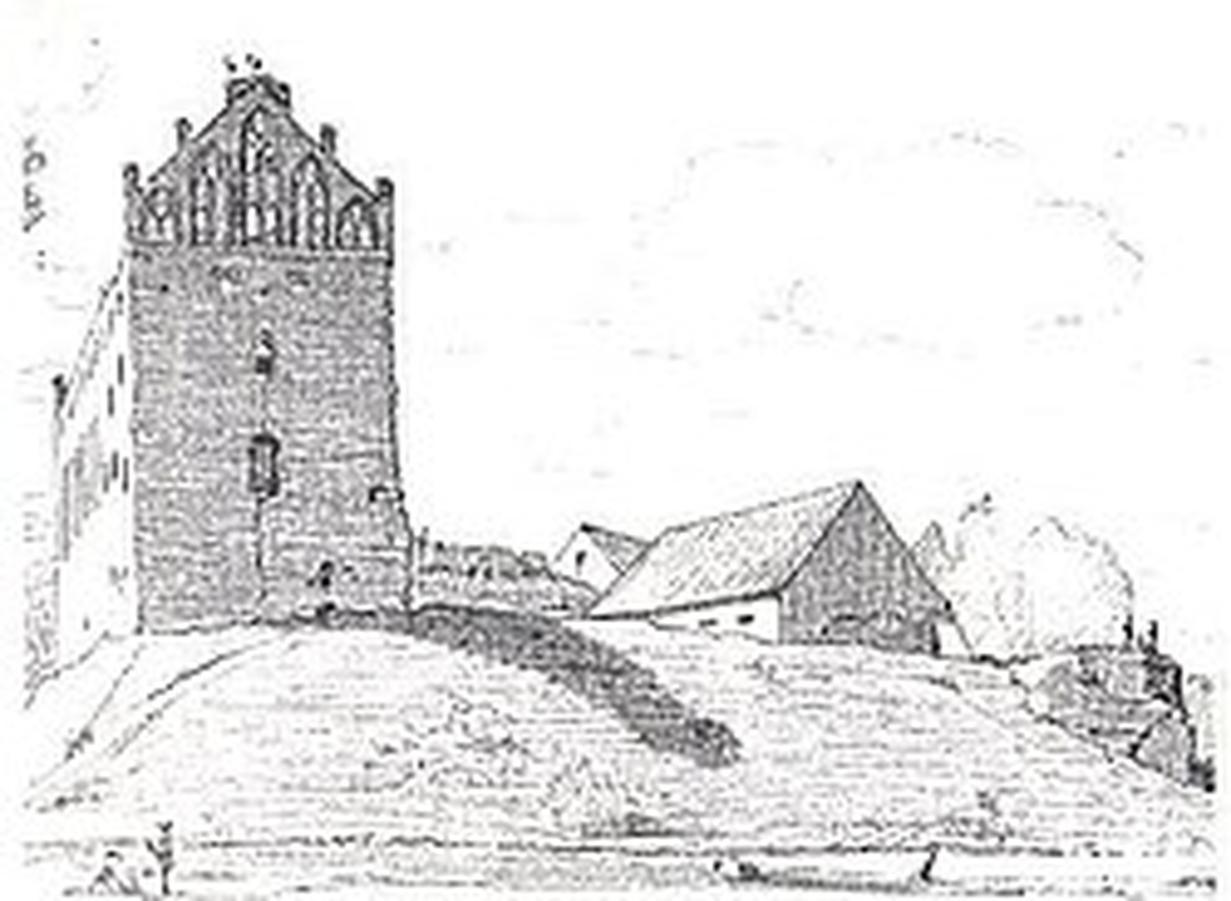
Its border location soon made itself felt. In 1376, Działdowo was destroyed by the Lithuanians under Prince Kęstutis, and the castle was partially burnt down. In 1383, the office of mayor was established here – the first mayor was Hensel von Lichtenstein. As the garrison grew, the castle was extended to include further residential wings. The stronghold was also the venue for talks with the Dukes of Mazovia – in 1389, an agreement was concluded here with Duke Janusz I.
During the Great War of 1410, the armies of Władysław Jagiełło captured the castle without a fight, and the king handed it over to Siemowit IV. The Teutonic Knights quickly recaptured it. The Poles occupied Działdowo again in 1414 and 1422, and during the Thirteen Years’ War the castle changed hands several times. Under the terms of the Second Peace of Toruń (1466), it remained within the borders of the Teutonic Order’s state.
From the Prussian War to the Deluge
During the war of 1519–1521, in 1520, following a nine-week siege, the castle was captured and destroyed by the forces of King Sigismund the Old. It was subsequently handed over to Piotr Kryski. Following the secularisation of the Order and the swearing of allegiance to Prussia in 1525, Działdowo became part of Ducal Prussia – a fief of the Crown – and the castle became the seat of the ducal starost, losing its military significance in favour of an administrative one.
In the 16th century, numerous renovations were carried out: the drawbridge and the roofs were repaired; around 1552, the water supply system was completed; in 1567 the tower was raised, and in the late 1570s the gables of the Great House were rebuilt, giving the building Renaissance features. Between 1636 and 1677, the castle and the county seat were pledged as security, and the pledgee made no investment in the buildings. The castle last served as a residence in 1656, when, during the Swedish Deluge, King Charles X Gustav of Sweden received envoys from foreign states there.
The Fall and the Rescue
In the 18th century, the castle fell into ruin and some of the buildings were demolished – the bricks were used, amongst other things, in the reconstruction of the town and the building of the town hall. The Great House survived thanks to the Evangelical parish, which established its church there. Further damage was caused by the Napoleonic occupation in 1806; in the mid-19th century, further parts of the complex were demolished, and in 1868 the castle was destroyed by fire. The first conservation work was carried out between 1910 and 1911. Both world wars caused further damage.
Architecture
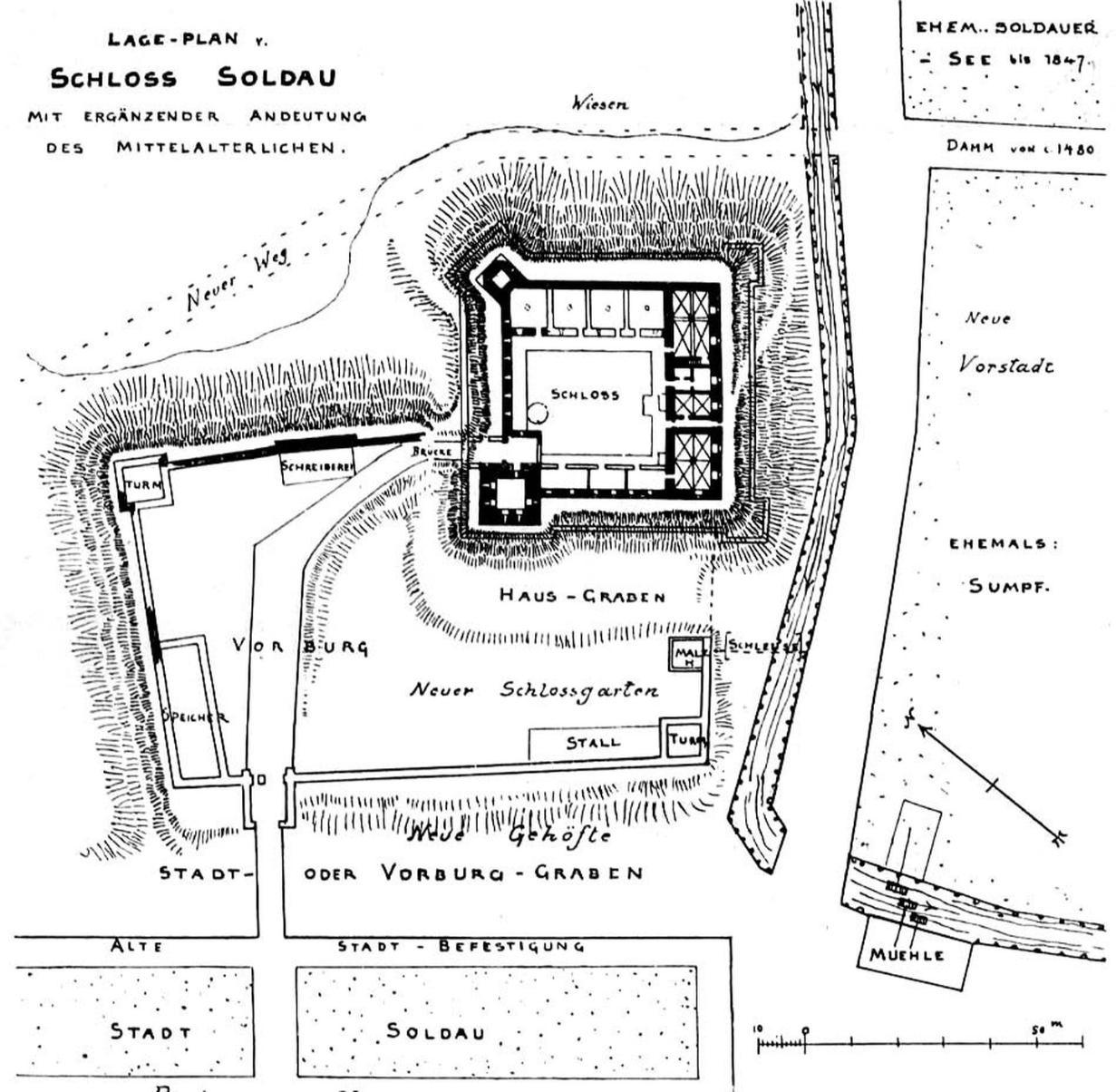
The castle had a regular layout with a courtyard approximately 46 metres on each side. The most valuable surviving part is the Gothic Great House, dating from the early 14th century. On its upper floor are two stately, three-bay interiors – a chapel and a refectory – covered with star-vaulted ceilings supported by carved corbels and masks. Two towers stood at the entrance. A prison dungeon has been preserved in the cellars of the reconstructed west wing.
Archaeological excavations carried out between 1981 and 1989 yielded around 300,000 movable artefacts, mostly dating from the Middle Ages and the early modern period, which have provided a better understanding of the stronghold’s history.
The castle today
The west wing and the courtyard were rebuilt on the surviving cellars – today they house the Town Hall. The Gothic „Big House” was thoroughly renovated and, in 2018, became the home of the Borderland Museum. The main permanent exhibition is ‘Działdowo – the town and people of the former borderland’, which traces the history of the town and the surrounding area from the earliest times to the 20th century. Visitors can enter the chapel and the refectory, which can also be booked for events.
There are car parks right next to the castle, and from here it is a short walk to the market square and the town hall. A visit to the castle is a good way to start exploring the town, whose history has been intertwined from the very beginning with that of the Teutonic Knights’ stronghold on the border with Mazovia.


