
Facilities
 Tickets and guided tours
The castle courtyard is open 24 hours a day and admission is free. Entry to the observation tower is subject to a charge and is available during the tourist season; information and tickets are available from the Tourist Information Centre (tel. 605 832 815). Guided tours for groups are available by prior booking.
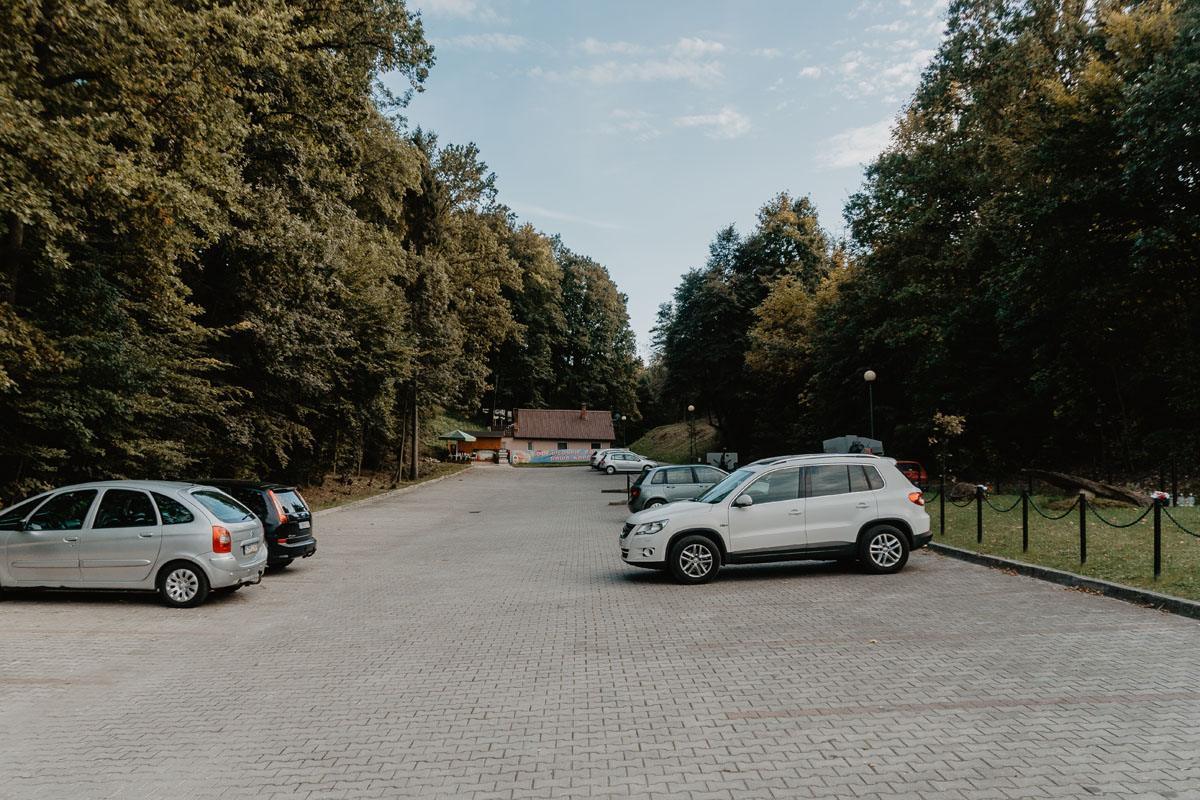
 Parking
 at the castle is available, making it easy to get there with your own means of transport.
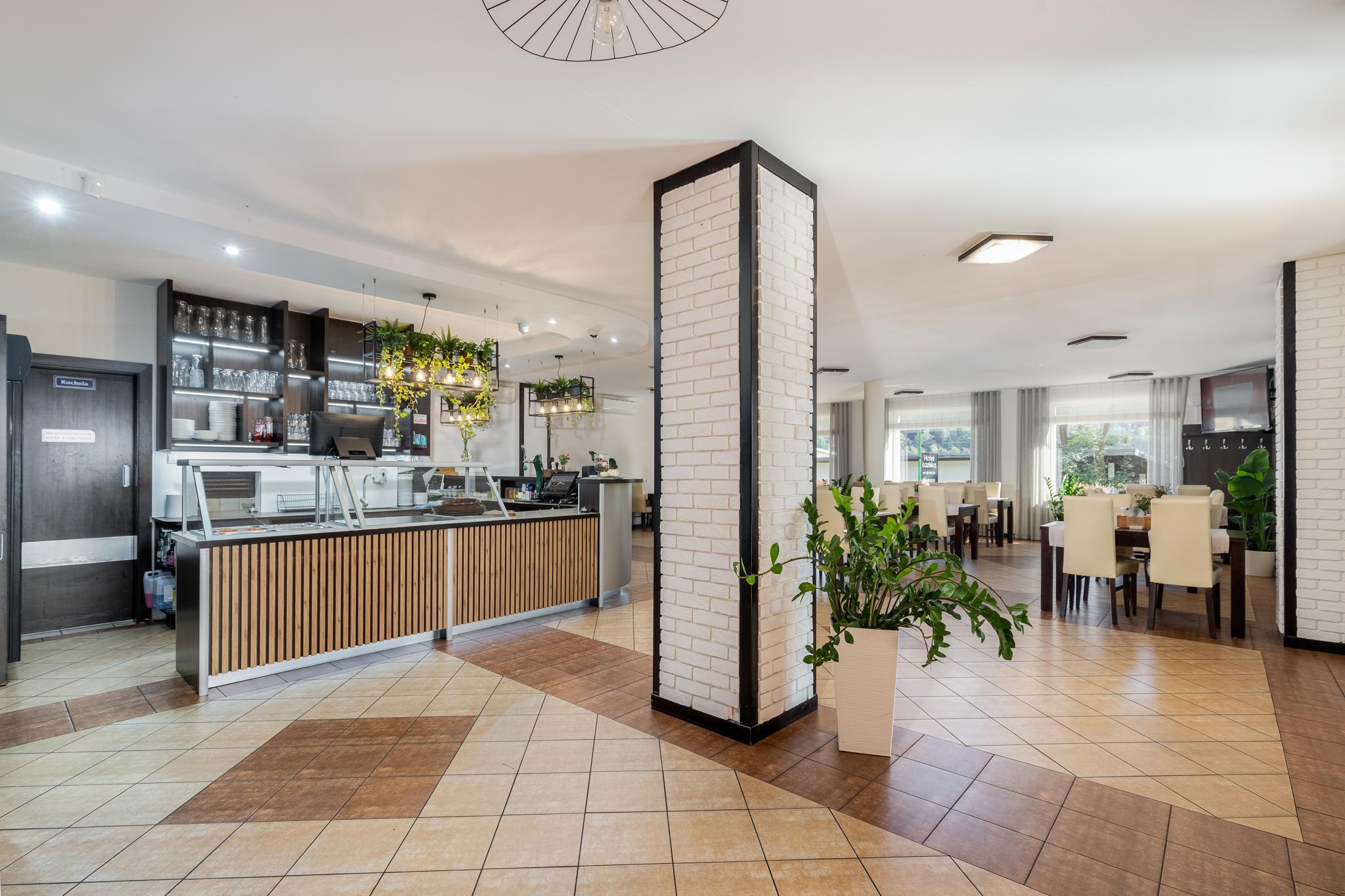
 Restaurant
A restaurant serving Polish cuisine is located in the „Łaziska” hotel in Czchów, by the lake.
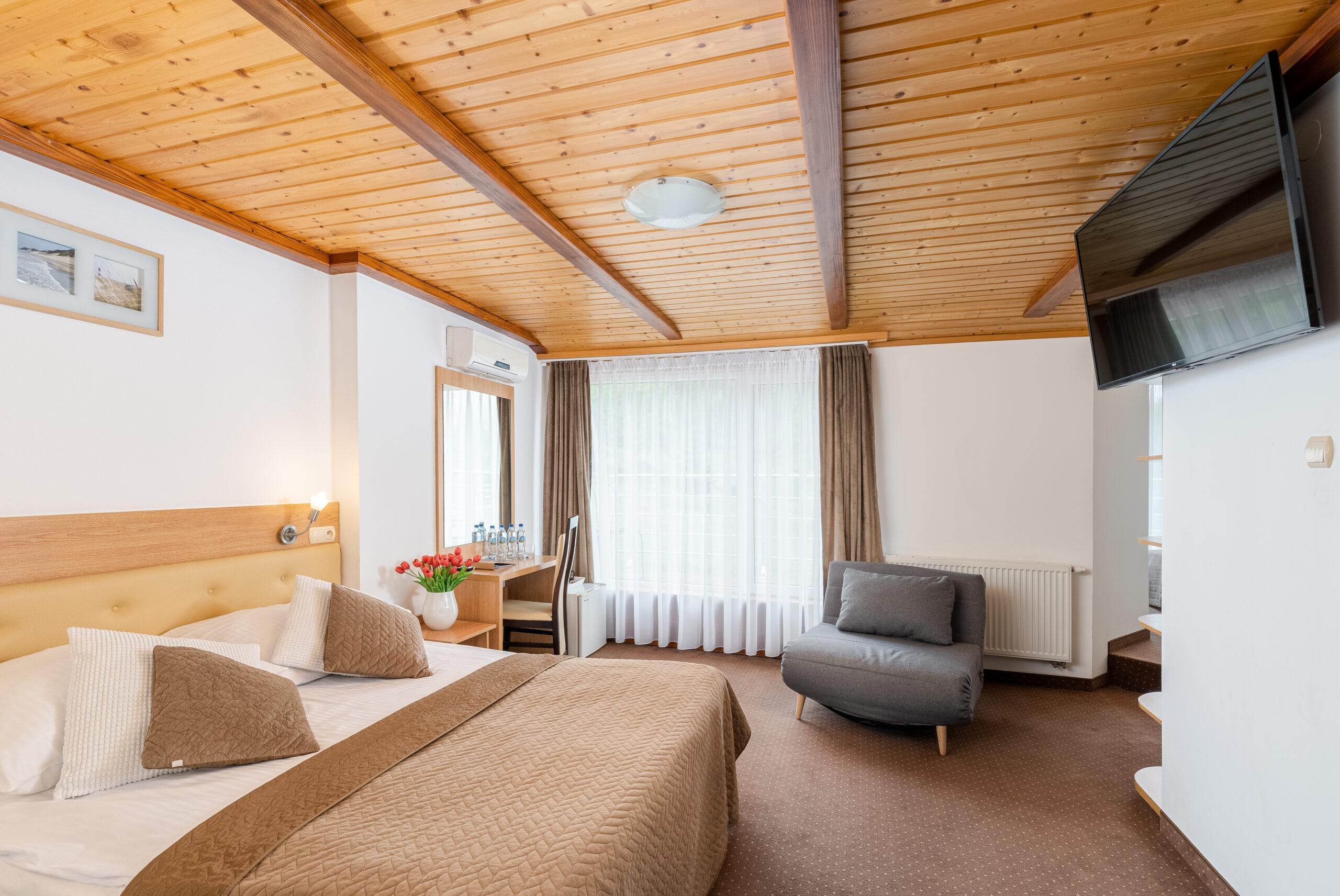
 Hotel
Accommodation is available, for example, at the „Łaziska” hotel in Czchów, situated by the lake, a few minutes’ drive from the castle.
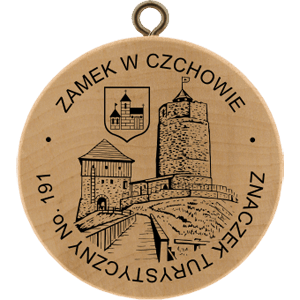
 Souvenirs
It’s worth asking about souvenirs at the Tourist Information Centre.
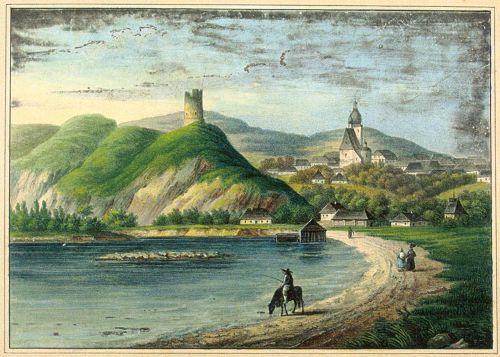
Czchów Castle is the ruins of a 13th–14th-century royal stronghold, built on a hill known as Baszta, overlooking the Dunajec valley, in the Brzesko district of Lesser Poland. Its most distinctive feature is the massive cylindrical tower – the Czchów Tower – which today serves as the town’s symbol and a vantage point. The castle is open to visitors through the Municipal Centre for Culture, Sport and Recreation in Czchów.

Genesis
The first fortification on the hill was built in the second half of the 13th century. Its purpose was to control the trade route running through the Dunajec Valley, along which goods were transported between Kraków and Hungary. A customs house operated at the castle, where duties were levied on goods imported from Hungary. The Czchów stronghold was one of the links in the system of fortifications guarding the Dunajec valley. The name of the founder is unknown. Its location on a steep hill directly above the valley provided a good view of the river and the route running along it, whilst at the same time making it difficult for potential attackers to approach.
The county council headquarters
The first mention of the castle in written sources dates from 1356. In the 14th and 15th centuries, the stronghold was extended: the tower was surrounded by a defensive wall, an entrance gate was erected, and a residential building was constructed, in which the Czchów starosts resided. Local courts were also held at the castle. In the second half of the 16th century, Czchów belonged administratively to the Nowy Sącz County in the Kraków Province.

The Fall
From the mid-17th century, the castle stood abandoned and gradually fell into ruin. In the second half of the 18th century, a prison was established in the surviving tower; this was closed following the First Partition of Poland in 1772, when Czchów came to lie within the borders of the Habsburg Monarchy. In the 19th century, the ruins attracted the attention of artists – the castle was immortalised by Maciej Bogusz Stęczyński in a lithograph and by Adam Gorczyński in a drawing dating from around 1837.
The castle was entered in the register of historic monuments as early as 1930, which shows that its historical value was recognised long before its reconstruction. For a long time, all that remained of the stronghold was a partially ruined tower, missing its upper storey, and the foundations of the walls uncovered by archaeologists.
Architecture
The oldest and best-preserved part of the complex is a free-standing, cylindrical tower, approximately 12.5 metres in diameter and about 20 metres high, situated in the southern part of the castle. A sandstone perimeter wall, between 1.2 and 2 metres thick, ran around the complex. A residential building stood next to the north-eastern curtain wall, a vestibule to the south, and a gate tower was situated in the eastern part.
Archaeological discoveries
Archaeological excavations have yielded several exceptional finds. Near the walls, amongst charred beams – possibly the remains of a small granary – several kilograms of charred grain were discovered, preserved as whole kernels. Fragments of a knight’s gauntlet were also found, a very rare artefact; similar, less complete examples are known from Kraków and the Grunwald area, amongst other places. Twenty-seven pots were reconstructed from nearly 50,000 pottery shards. Archaeologists have also uncovered a Gothic stone portal, preserved in the very spot where medieval stonemasons originally set it.

The castle today
The tower was opened to the public in 2000. In 2018, the castle was partially restored – the wooden walkway, the gate tower, the courtyard and the surviving part of the Gothic house were rebuilt. The keep houses a viewing point and an archaeological exhibition, and from its summit there is a view over the Dunajec valley. Replicas of medieval defensive and siege weapons have been placed in the courtyard, including a battering ram, siege crossbows, a scaling ladder and a tar-pouring crane. Further on, within the grounds of the former fortified settlement, weaponry from the modern era and the Second World War is on display. The courtyard is open round the clock, and access to the tower is available during the tourist season.
Visit
A walk around the courtyard is free of charge and can be enjoyed at any time. Entry to the tower is subject to a charge and is available during the tourist season, at times announced each year by MOKSiR. Organised groups can book a guide – the tour usually covers not only the castle, but also Czchów’s market square and the parish church with its historic wall paintings. The castle is situated just above the town centre, so a visit can easily be combined with a stroll around Czchów and a relaxing break by the Dunajec. It is worth checking the latest announcements before you arrive – the tower is occasionally closed for renovation work.


