
Facilities
 Tickets and guided tours
Tickets for visitors can be purchased at the main entrance of the castle. The tour lasts approximately 1 hour, a guide is available. Night tours are also possible.
Tickets and guided tours
Tickets for visitors can be purchased at the main entrance of the castle. The tour lasts approximately 1 hour, a guide is available. Night tours are also possible.
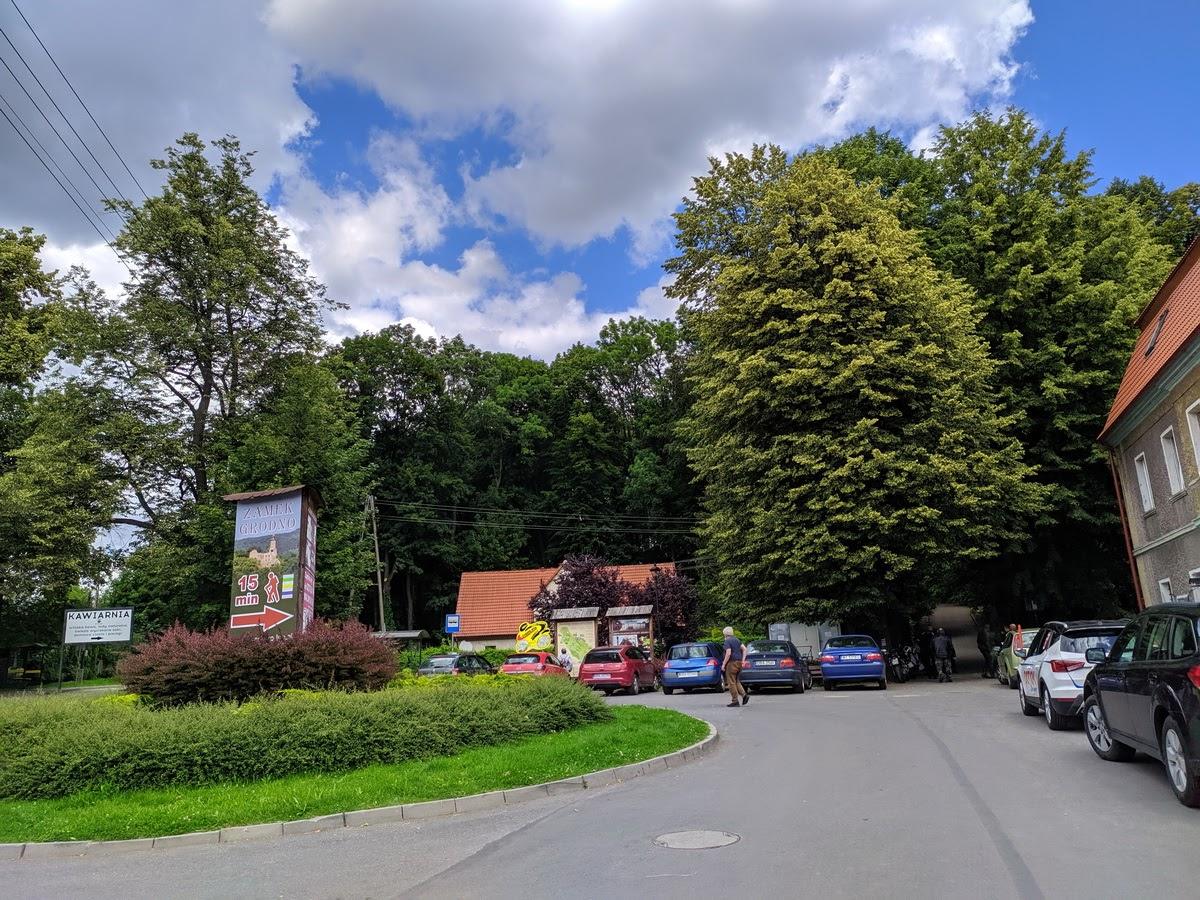
 Parking
 is located a short distance from the castle.
Parking
Parking is located a short distance from the castle.
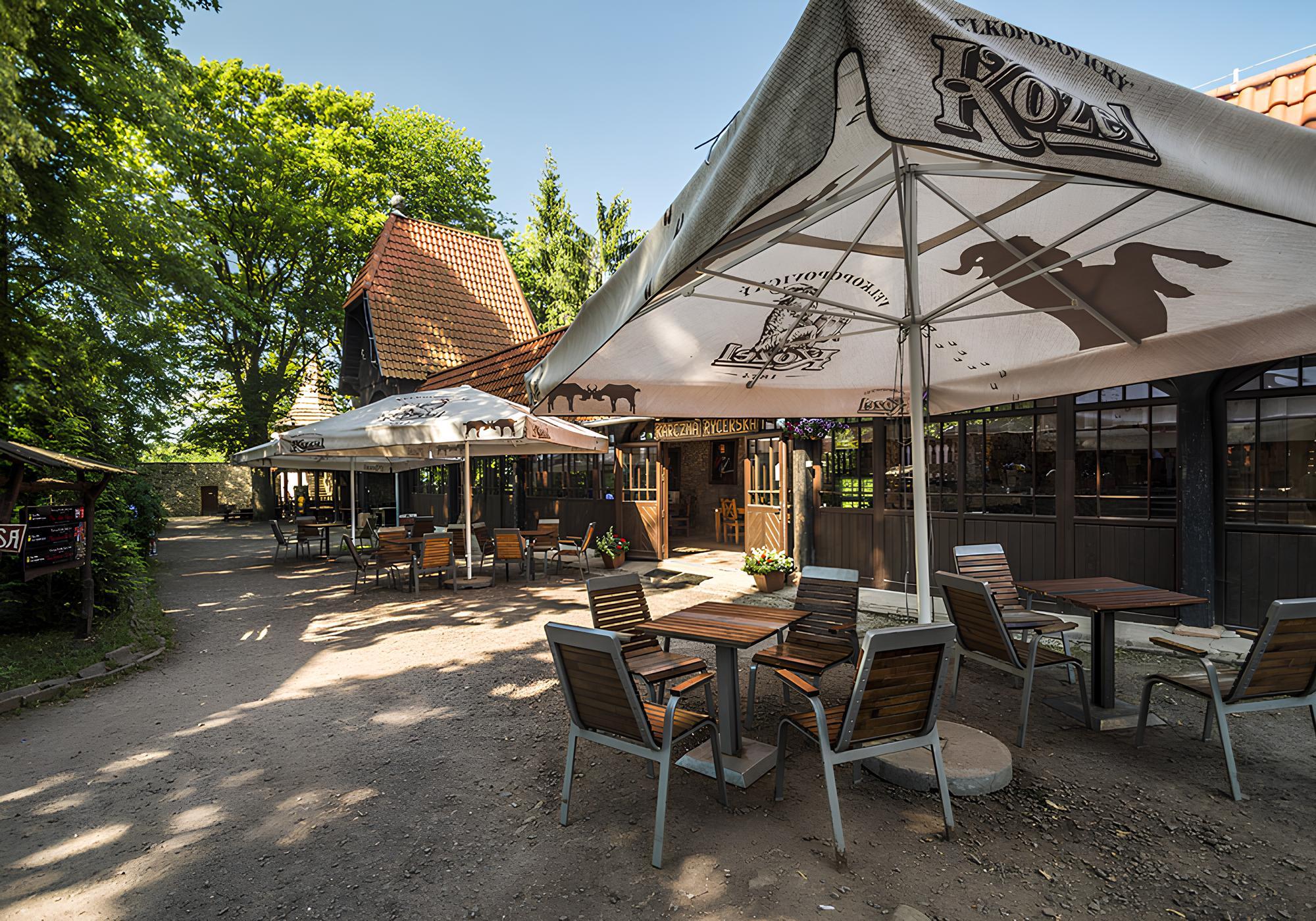
 The Inn
Within the castle grounds is the "Knights' Inn".
The Inn
Within the castle grounds is the "Knights' Inn".
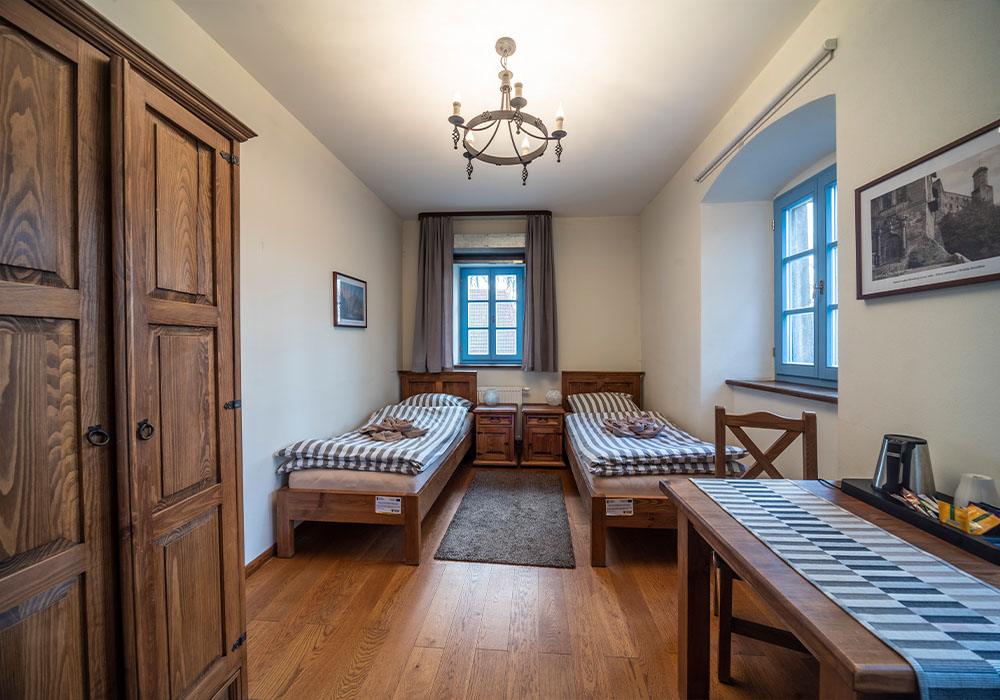
 Accommodation
Standard tourist accommodation is also available inside the inn.
Accommodation
Standard tourist accommodation is also available inside the inn.
 Souvenirs
There is a gift shop for visitors next to the castle reception.
Souvenirs
There is a gift shop for visitors next to the castle reception.
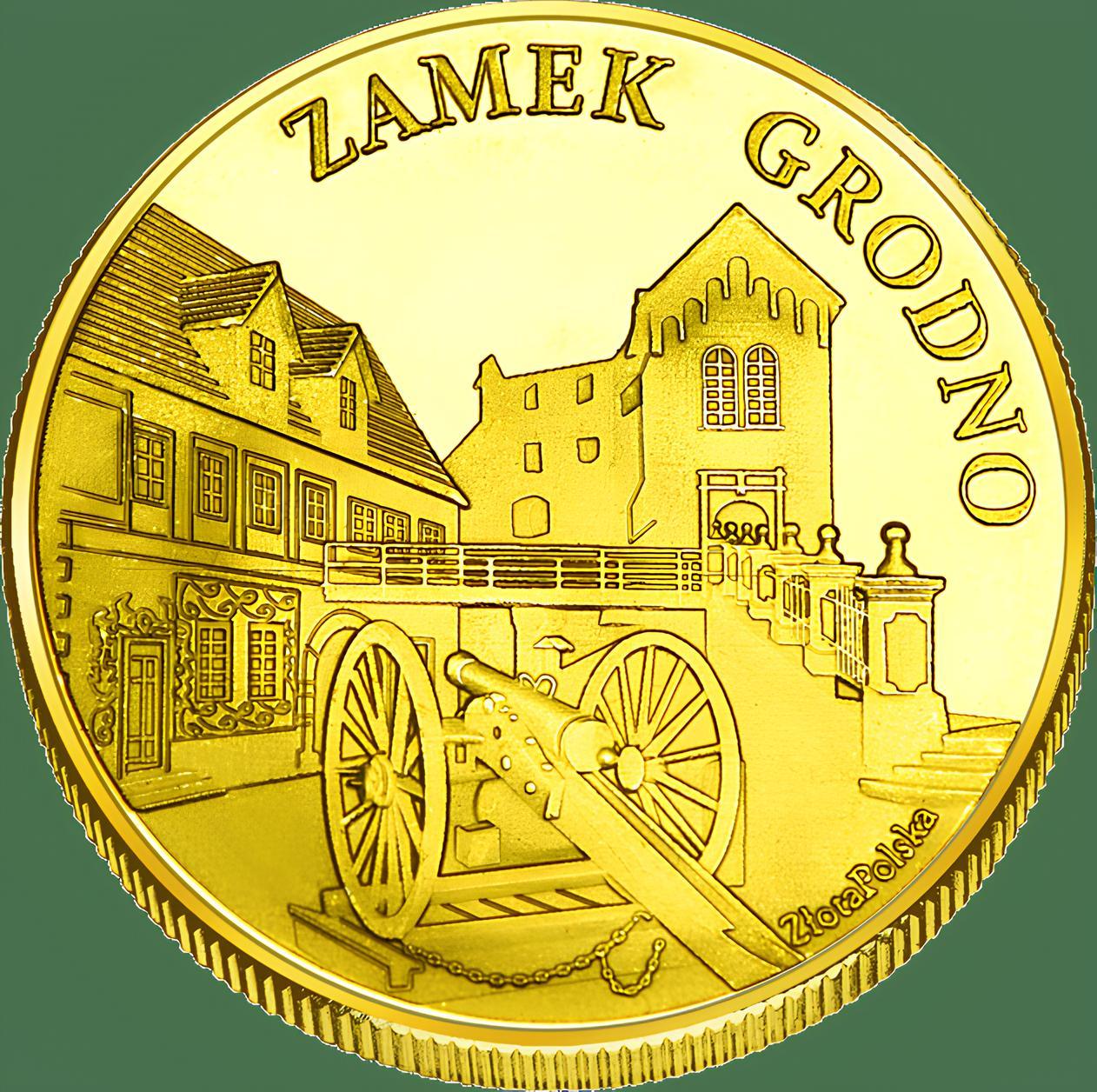

Grodno Castle is a historic stronghold located in Poland, in the Lesser Poland Voivodeship, near the town of Nowy Targ. Situated on a picturesque hill, this charming castle is a remarkable pearl of history and architecture in Poland. Its roots date back to the 12th century, and over the centuries it has witnessed many transformations, from Renaissance splendour to periods of conflict and reconstruction. Today, Grodno Castle delights tourists with its rich history, beautiful architecture and panoramic views of the surrounding area.
History of the Castle: Grodno Castle has its roots dating back to the 12th century. It was built by the Dukes of Cracow and served as a defensive stronghold controlling the strategic trade route through the Carpathian Mountains. In the following centuries, the castle changed owners many times and was the site of important historical events.
Genesis and origins (12th century): The origins of Grodno Castle date back to the 12th century and are linked to the political and strategic needs of the dukes of Cracow at the time.
Strategic location:
The first key element in the origins of the castle is its location on a hill that dominated the surrounding area. This strategic location on the trade route through the Carpathian Mountains made the castle ideal for control and defence. This route was an important trade route through which goods passed between Poland and Hungary, so controlling it was vital.
Wooden fortress:
In the initial phase of the castle, in the 12th century, a wooden fortress was erected. It was a defensive structure designed to provide a checkpoint on the trade route and to protect against raids and incidents. The wooden structure was a typical form of fortress at that time.
A lordly and princely business:
The dukes of Krakow, who owned the castle, had strategic and political interests in controlling the area. Grodno Castle acted as one of the defensive points in their territory, which provided security and control over an important communication route.
Development and modernisation:
Over time, in the following centuries, Grodno Castle underwent extensions and modernisations. The wooden fortress was replaced by a stone one, and during the reign of the Komorowski family in the 16th century, the castle gained a Renaissance character and new architectural elements.
The origins of Grodno Castle are closely linked to the defensive and strategic needs of the rulers of the time, and its location on a hill above a trade route made it an important place in medieval Poland. Thanks to its history and architectural development, the castle became not only a defensive stronghold, but also an important part of the region's culture and heritage.

Period of expansion (14th-16th century):
The period of expansion of Grodno Castle in the 14th and 16th centuries was a key period in its history, which introduced many significant architectural and functional changes.
14th century - transition to a stone fortress:
In the 14th century, Grodno Castle underwent significant reconstruction, replacing the wooden fortress with a stone one. This was a response to the growing defensive needs and increasing threats from invasions and conflicts in the region. As a result of these works, the castle gained a new, permanent character.
- Gothic elements: During the reconstruction, many distinctive Gothic architectural elements such as windows and doors were added. The Gothic aesthetic was very popular at the time and influenced the appearance of the castle, giving it not only defensive functions but also aesthetic beauty.
- Walls of defence: During modernisation, the castle was surrounded by massive defensive walls. These walls provided an additional layer of defence against possible attacks. They made the castle even more impregnable.
16th century - reign of the Komorowski family and Renaissance reconstruction:
In the 16th century, Grodno Castle underwent another period of expansion and modernisation during the reign of the Komorowski family. It was then that the castle was given its characteristic Renaissance appearance.
- Renaissance architecture: This period brought with it new trends in architecture, and Grodno Castle became the place where these trends were reflected. Modernisation introduced Renaissance architectural elements such as loggias, façade ornamentation and other decorative details.
- The interior of the castle: It is not only the exterior architecture that has changed. The interiors of the castle were renovated and decorated in the spirit of the Renaissance. The new chambers, representative halls and chapels delighted the castle's visitors with their elegance and style.
A period of expansion and modernisation in the 14th and 16th centuries transformed Grodno Castle into a Renaissance residence of impressive architecture and historical significance. It was thanks to these works that the castle became not only a formidable defensive stronghold, but also a place of culture and art that still attracts numerous tourists and history lovers.
Period of conflict (17th-18th century):
The 17th and 18th centuries were an extremely difficult and turbulent period in the history of Grodno Castle, which brought both destruction and abandonment to the castle.
17th century - Swedish deluge and destruction:
In the 17th century, during the Swedish Deluge, Grodno Castle found itself at the centre of military conflicts. The Swedish army made a number of incursions into Polish territory, including the castle. As a result of the siege and fighting, the castle was severely damaged and partially destroyed. Numerous buildings and architectural features were burnt down. This atrocity of war left a lasting mark on the castle.
Changing owners:
In the following years of the 17th and 18th centuries, Grodno Castle changed owners many times. Internal conflicts and wars were the reason for the frequent changes of ownership. Various noble and aristocratic families tried to control the castle, which often involved modernising or renovating it.
Abandonment and ruin in the 18th century:
In the 18th century, as a result of the lack of permanent owners and a decline in strategic importance, Grodno Castle was eventually abandoned and fell into disrepair. The buildings and walls began to gradually deteriorate and the castle lost its former glory and importance.
The period of the 17th and 18th centuries was particularly difficult for Grodno Castle, which suffered considerable damage and the loss of its strategic importance. Wartime battles and changing owners left lasting marks on the castle, and its abandonment and ruin in the 18th century marked the end of its role as a powerful stronghold. However, this challenging and transformative history has helped shape the character and significance of Grodno Castle today as a historical monument and tourist attraction.

Reconstruction and restoration (19th century):
The 19th century was a crucial period for Grodno Castle, as it underwent a process of reconstruction and restoration to restore its former glory and Renaissance character. It was a period when the castle was regaining its importance and beauty.
Reconstruction and restoration work:
In the 19th century, during the Romantic period, there was an increased concern for the preservation of cultural and historical heritage. It was in this context that Grodno Castle became the focus of interest for history and art enthusiasts. Work began on the reconstruction and restoration of the castle with the aim of restoring it to its original Renaissance character.
Reconstruction of architectural elements:
As a result of the restoration work, many architectural elements that had been damaged or removed as a result of previous alterations were reconstructed. This applied to both the facade of the castle and its interior. The castle gained back characteristic Renaissance elements such as loggias, façade ornamentation and decorative details.
Reclaiming former glory:
The restoration work aimed not only to restore the castle to its architectural beauty, but also to regain its former splendour. The interiors of the castle were restored and decorated in the spirit of the Renaissance, allowing visitors to once again experience the atmosphere and splendour of times past.
A return to cultural life:
Thanks to the process of reconstruction and restoration, Grodno Castle has once again started to play the role of an important cultural venue. It has become an arena for the organisation of various cultural events, concerts, exhibitions and festivals, attracting artists, scientists and history enthusiasts from all over the country and abroad.
The 19th century reconstruction and restoration of Grodno Castle played a key role in restoring it to its former glory and importance. This was the period when the castle gained back its Renaissance soul and became an important cultural and heritage centre, which still attracts numerous tourists and history enthusiasts.

Castle architecture:
Grodno Castle is a fascinating example of the combination of different styles and eras that have run through its long history.
Gothic and Renaissance:
Grodno Castle was built in the 13th century as a defensive fortress, so its oldest elements have Gothic features. Gothic windows, vaults and parts of the castle from this period have been preserved. However, the most important period in the castle's architectural history is the 16th century, when it underwent reconstruction in Renaissance style during the reign of the Komorowski family. It was then that it was given its characteristic appearance, which has been preserved to this day.
Renaissance loggias:
One of the most characteristic elements of the Renaissance architecture of Grodno Castle are the loggias. Loggias are open cloisters or verandas that are located on all floors of the castle. They are decorated with classical columns and ornaments, creating a unique and striking appearance.
Tower and towers:
The castle is also known for its distinctive tower, which served as both a defence and an observation post. The tower is impressive both architecturally and in terms of views. In addition to the tower, the castle has several towers and defensive towers that create a picturesque landscape.
Arcade and courtyard:
The inner courtyard of the castle is surrounded by arcades, giving it an elegant and representative character. It has been the venue for banquets, celebrations and social gatherings. The magnificent architecture of the courtyard provides the perfect backdrop for various events.
Stone ornamentation:
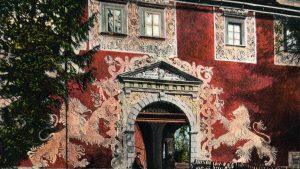
The Renaissance decoration of the façade and architectural details is exceptional. Sculptures, bas-reliefs and stone ornamentation create a rich palette of artistic details that highlight the importance and beauty of the castle.
Chapels and representative halls:
The interior of the castle is also a fascinating example of Renaissance architecture. The chapels, representative halls and chambers are decorated with frescoes, wall paintings and other works of art that reflect the former splendour and glamour.
The architecture of Grodno Castle is not only beautiful, but also complex, as it combines elements of different styles and eras. It is a place where Gothic and Renaissance intertwine in a unique way, creating a castle atmosphere full of history and culture.
Castle Today:
Today, Grodno Castle serves as a museum and tourist attraction. The interiors of the castle have been reconstructed to reflect the different periods of its history. The museum also presents collections related to the history and culture of the region. Grodno Castle attracts tourists from all over the world, who come to discover its history and beauty. It is also a venue for various cultural events, concerts, exhibitions and festivals.
Interesting facts about the Castle:
Grodno Castle is a place full of history and mystery, which makes it rich in curiosities and legends.
Legend of the Grodno Maiden in Love:
One of the most famous legends associated with Grodno Castle tells of a beautiful girl who fell in love with a village boy, despite her family's prohibition. Their love was a secret, but when their relationship was discovered, the girl was imprisoned in the castle tower. Legend has it that to this day her ghost roams the castle's cloisters, and her story is a symbol of tragic love.
Lost Treasures:
There are many stories about lost treasures hidden in the castle. Over the centuries, many treasure hunters have tried to find the hidden treasures of the legendary knight and ruler of the castle, Nikolai Kamenets. Although none of these treasures have been found to this day, the story of their search continues to fascinate.
Night spirits and phantoms:
The castle walls and cloisters have often witnessed a variety of historical events, which provides the perfect ground for tales of ghosts and phantoms. Some say that the clatter of knights' armour or the sounds of Renaissance music can be heard at night, and that ghosts roam the castle's corridors.
Architectural curiosities:
Grodno Castle also impresses with its unique architectural elements, such as the mysterious labyrinth of corridors and dungeons or the characteristic tower, which was not only a lookout point but also a treasure trove.
Renaissance frescoes:
In one of the chambers of the castle you can admire preserved frescoes from the Renaissance period. This rare work of art has survived the centuries and is an important part of the castle's heritage.
The curiosities and legends associated with Grodno Castle add to its charm and mystery. It is a place where the past and the legend combine to create a unique atmosphere for all visitors.


