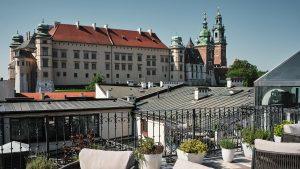

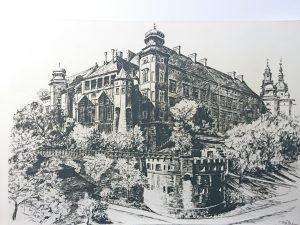
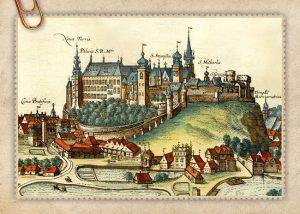
The Wawel Royal Castle is one of the most important and recognisable places in Poland, a symbol of national identity and pride. Situated on Wawel Hill in Kraków, it has served for centuries as the seat of Poland's kings and the place where they were crowned. Its walls have witnessed key moments in the country's history, from triumphs to tragedies. Wawel Castle is a harmonious blend of Gothic, Renaissance and Baroque architecture, the beauty of which attracts millions of tourists from all over the world every year. Inside the castle are invaluable art treasures, including the famous Wawel arrases, which are one of the most valuable textile monuments in Europe. Wawel Cathedral, the burial place of many Polish monarchs, saints, national heroes and great cultural figures, is also an integral part of the complex. Wawel Castle is not just a relic of the past; it is a living monument that continues to play an important role in the cultural and spiritual life of Poland. Visiting this place is a journey through the centuries that allows you to immerse yourself in the country's rich history and traditions.
History of the Wawel Royal Castle
Early history: Wawel Hill, where the castle is now located, has long been a place of settlement. The first traces of human presence date back to 50,000 BC. In the early medieval period, the hill became an important centre of local power. The history of Wawel Castle dates back to the 10th century, when the first wooden fortress was erected on Wawel Hill, on the banks of the Vistula River. In the 11th century, it became the seat of the first Polish rulers of the Piast dynasty. At first it was a modest defensive structure, but over time it evolved into an important royal residence. In the 13th century, work began on building a castle in Romanesque style, which was gradually transformed into a Gothic castle. During this period, the hill became the seat of successive Polish monarchs, and the castle served an administrative and defensive function.
Early medieval castle: The first brick ducal residence was built here in the 11th century during the reign of Wladyslaw Herman. In the following years, Wawel became an important centre of power in Poland thanks to the reigning Piast and Jagiellonian dynasties.
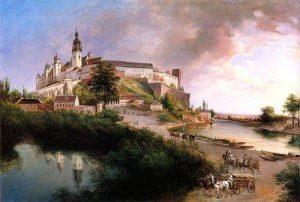
The Golden Age of Wawel Castle: In the 15th and 16th centuries, during the reign of the Jagiellonians and the first kings of the Vasa dynasty, the castle experienced its golden age. At that time, magnificent buildings in Renaissance style were built, including a courtyard with arcades and royal chambers. Wawel Castle then became not only a political centre, but also a cultural and scientific centre.
Partition period: After the partition of Poland in the 18th century, Wawel loses its political importance. The Austrians convert it into barracks and fortifications, destroying many of its historical elements.
Renaissance and expansion (16th century): In the 16th century, during the reign of King Sigismund I the Old, Wawel Castle underwent a major Renaissance reconstruction. This king brought Italian architects to Krakow, who gave the castle its characteristic Renaissance look. The cloisters and the Lanckorona Loggia, among others, were built at that time.
The castle as a cultural centre (17th - 18th century): In the 17th and 18th centuries, Wawel Castle served as an important cultural centre. During this period, the royal chapel and the Wawel Library were built, collecting valuable manuscripts and works of art. Many Polish monarchs were buried in Wawel Cathedral.
Revival after independence: After independence in 1918, the castle is restored and returned to its former glory. Many lost works of art and monuments are recovered and restored to their former place.
World War II: During the German occupation, the castle becomes the residence of the governor of the General Government, Hans Frank. Despite this, many of its treasures manage to be saved from destruction or deportation. In the 19th century, during the period of partition of Poland, the castle lost some of its stature and its collections were often taken out of the country. During World War II, the castle was occupied by the Nazis and numerous treasures and works of art were exported or destroyed.
Modern times: After World War II, Wawel Castle became a museum and tourist site. The interiors of the castle were reconstructed and numerous monuments and works of art were recovered or restored. Today, the castle is one of the most important museums in Poland and attracts visitors from all over the world. After the war, the castle is restored and becomes one of the most important museums in Poland. Thanks to the hard work of conservators and historians, Wawel Castle is regaining its former glory and importance in Polish culture. The Wawel Royal Castle is a symbol of Polish history, culture and national identity. It is not only an impressive castle, but also a treasury of Polish history. Its architectural beauty and rich past attract tourists and are an important part of the cultural heritage of Krakow and Poland. It is a place that continues to fascinate and inspire visitors to discover the mysteries of the past.
Architecture of Wawel Royal Castle
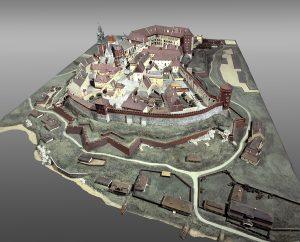
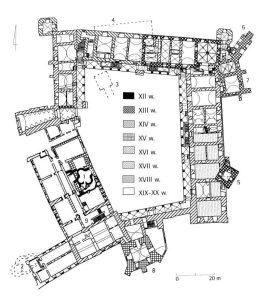
General overview: The Royal Castle of Wawel is an excellent example of the architectural evolution that took place through various eras, from the early Middle Ages to the Baroque. Its current appearance is the result of the many alterations that have taken place over the centuries.
Gothic foundation: The original buildings on Wawel Castle were built in the Romanesque style, but most were replaced by Gothic structures in the late Middle Ages. Fragments of the walls and the Gate of Arms, leading into the castle grounds, have survived from this period.
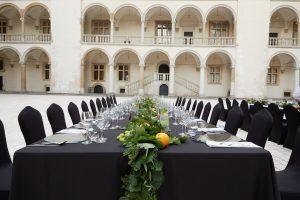
Renaissance heyday: The golden age of Wawel Castle fell on the Renaissance period, when the castle was thoroughly rebuilt during the reign of King Sigismund I the Old. A magnificent arcaded courtyard was created at this time - three-storey arcades resting on columns with Tuscan capitals surround the quadrangular courtyard. This was modelled on Italian Renaissance palaces. The most characteristic element of this period is the Golden Gate, leading to the royal chambers.
Baroque accessories: The 17th century brought some modifications to the Baroque style, especially when it came to the castle interiors. The Sigismund Chapel, designed by Bartolomeo Berrecci, is one of the most beautiful examples of Baroque in Poland, with its crystal dome and gilding.
Fortifications: A defensive system was developed around the castle to protect it from potential threats. Bastions, bastions and defensive walls added to the castle's character as a fortified stronghold.
Interiors: The royal chambers, which can be visited today, are a real treat for art lovers. They contain rich collections, from Gothic relics to Renaissance tapestries. The Great Hall of Representation, also known as the Hall of Deputies, impresses with its stucco craftsmanship and wooden ceiling.
Surroundings of the castle: The Wawel Castle complex is also surrounded by other buildings, such as Wawel Cathedral, itself a treasure trove of diverse architectural styles from Gothic to Baroque.
As a result, the architecture of Wawel Castle is a complex mix of styles and influences, reflecting the rich history of the place and the nation. Every nook and cranny and detail hides a story, a testament to passing eras and the people who passed through them.
Curiosities and legends of the Wawel Royal CastleThe Wawel Dragon: This is the most famous legend associated with Wawel Castle. It tells of a monster that lived in a cave at the foot of Wawel Hill, terrorising the local inhabitants. The dragon had a huge appetite and devoured one virgin a day. He was finally defeated by a young shoemaker, Skuba, who tricked the dragon into eating an animal stuffed with sulphur, causing the monster to drink so much water from the Vistula that it exploded.
Sigismund Bell: The Sigismund Bell, which weighs 13 tonnes, is one of the largest and oldest bells in Poland. It was cast in 1520 and rings only on particularly important occasions for the country.
Wawel Chakra: Many people believe that Wawel Hill is one of several places in the world that possess special, mysterious powers. Wawel Hill is said to be home to a mysterious energy point called the 'Wawel Chakra'. According to some theories, Wawel Hill was even said to be the potential resting place of the Holy Grail.
Wawel Arrasy: The Wawel Royal Castle houses one of the world's largest collections of Flemish tapestries from the 16th century. They are an important part of the interior decoration of the royal chambers.
Crypt of Kings and Great Poles: Wawel Cathedral, part of the castle complex, houses the crypt where the remains of many Polish kings, queens, saints and national heroes rest.
Unfulfilled dream of a chapel: King Sigismund II Augustus dreamed of building a magnificent chapel to be his eternal resting place. The design of the chapel was commissioned from famous architects, but in the end the king was buried in Wawel Cathedral.
Castle - seat of power: For centuries, Wawel Castle was not only the residence of the kings of Poland, but also the seat of the administration, court and crown treasury. A mint also operated here and the crown treasures were stored in the vaults.
These and many other legends and curiosities make Wawel Castle not only a historical place, but also one surrounded by an aura of mystery. Each story, whether true or born of folk imagination, adds to the unique character of the place and attracts crowds of tourists from all over the world.