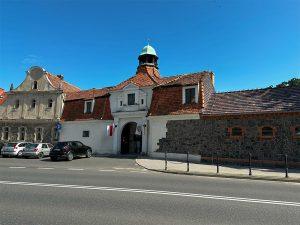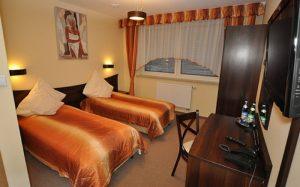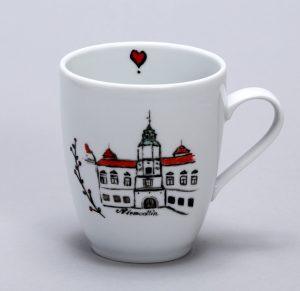


The castle in Niemodlin is one of the most important and beautiful monuments in the Opole region. Situated on a small hill above the Osobłoga River, this impressive building testifies to the rich history of the region and the many eras that shaped its architecture. Its roots date back to the Middle Ages, when it served as a guardian fortress. Over the centuries, it has been extended and modernised, resulting in its present-day eclectic appearance, combining Gothic, Renaissance and Baroque elements. Its walls have witnessed many important events and hosted numerous famous figures. Surrounded by a moat and majestic towers, the castle impresses with its architectural diversity and perfectly preserved interiors, which hide many valuable exhibits. Today, Niemodlin Castle, open to the public, attracts tourists from all over the country and abroad, offering them not only a lesson in history, but also unique moments in the picturesque surroundings of the medieval fortress.
History of Niemodlin Castle:
Genesis and construction (13th century - 15th century): The history of the castle in Niemodlin began in the 13th century, when, on the order of Duke Władysław I Opolczyk, the castle was built on the site of an earlier fortress. The first written mention of the castle dates back to 1288. In the 14th century, the castle was extended and fortified, becoming an important defensive point in Silesia.
Thriving during the reign of the Piasts (14th-15th centuries): During the reign of the Piast dynasty, the castle became an important residence of the Opole princes. It was expanded and strengthened, becoming one of the main centres of power in the region.
Owners and extensions (15th - 17th century): In subsequent centuries, the castle passed into the hands of various families, including the Dukes of Opole, the Dukes of Brzeg and Legnica. Successive owners expanded and modernised the castle, giving it Renaissance and Baroque features. In the 17th century, the castle became the residence of the Dukes of Legnica and Brest, which contributed to its considerable beautification and cultural development.
The castle in the Prussian period (18th - 19th century): In the 18th century, as a result of political changes, the castle came under Prussian rule. The Prussian period was a time of modernisation and reconstruction of the castle, but also of its use as an administrative headquarters and prison. In the 19th century, as a result of the castle's declining importance, many of its elements were demolished or destroyed. In the 19th century, the castle fell into gradual decline. It changed owners many times, which was not conducive to its preservation. It was not until the 20th century that restoration work began, thanks to the efforts of private owners and local authorities.
World War II and the post-war period (20th century): During the Second World War, the castle in Niemodlin was damaged and some of its historic elements were destroyed. After the war, the castle was used by the Soviet Army, which further affected the condition of the building. It was only after the army left that the castle was restored and opened to the public.
The castle today (21st century): Today, the castle in Niemodlin is one of the main tourist attractions in the Opole region. Open to the public, it performs museum, cultural and educational functions, presenting its centuries-old history and treasures accumulated over the centuries.
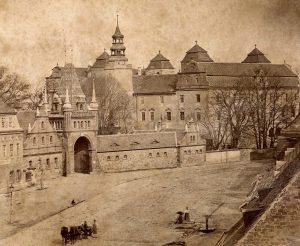
Architecture of Niemodlin Castle:
Origins (12th-13th centuries)
The original construction of the castle was wooden, which was typical of early medieval defensive buildings. Situated on a small hill above the Osobloga River, the castle was originally intended to serve a defensive function. Few traces of this period have remained in the present castle structure.
Gothic elements (14th-15th centuries)
During the medieval period, the castle underwent its first transformation from a wooden watchtower into a masonry fortress. Gothic elements can be seen in the massive stone perimeter walls and pointed windows. The towers and ramparts from this period form a solid and impressive framework for the entire complex.
Renaissance modifications (16th century)
During the Renaissance, under the reign of the von Praschma family, the castle underwent a significant transformation. New wings and courtyards were added, and medieval elements were combined with new Renaissance details. Characteristic of this period are the richly decorated portals, attics and sgraffito decorations on the facades.
Baroque additions (17th-18th century)
During the Baroque era, the chateau was further enriched. The interiors of the chateau were rebuilt in the Baroque style, with characteristic rich decorations, frescoes and stucco ornaments. The exterior facades were gently modified, adding Baroque details such as volutes and cartouches.
Castle gardens and park
A beautiful garden in Baroque style was developed around the castle, with avenues, fountains and sculptures. It was later transformed into a landscape park, which became an important part of the entire chateau complex.
Modern times and conservation
The castle's present-day appearance is the result of numerous conservation and restoration works carried out in the 20th and 21st centuries. Efforts have been made to restore the original appearance of the castle, while at the same time preserving and exposing elements from different eras.
The architecture of Niemodlin Castle is a mosaic of different styles and eras, which testify to the rich history of the place. From simple Gothic walls to richly decorated Renaissance facades and Baroque interiors, the castle is a true architectural pearl in the Opole region.

Curiosities and legends of Niemodlin Castle:
The Legend of the White Lady:
One of the most famous legends associated with the castle tells of the White Lady, the ghost of a young girl who was supposed to have tragically died within the walls of the fortress. It is said that a count once lived here and fell in love with a beautiful peasant girl. Wanting to hide the affair from the public, the count locked her in one of the castle's towers. The distraught girl, unable to bear her captivity, threw herself from the tower. Her ghost still appears within the castle walls today, wandering the corridors at night.
Underground and secret passages:
Beneath the castle are intricate networks of underground passages and corridors, which were intended to serve as shelter and escape routes in the event of a siege. Some of these corridors lead to nearby villages, but most of them have not been fully explored to date.
Mysterious coat of arms:
In one of the castle's rooms is a stone coat of arms, the origin of which is highly controversial. Some say it represents the coat of arms of the family that once owned the castle, while others see it as a symbol of secret knightly orders.
The castle as an inspiration for artists:
Thanks to its charm and mysterious history, the castle in Niemodlin has become an inspiration for many artists. Films have been filmed within its walls, books have been written and local artists have created many paintings depicting the castle at different times of the day and year.
Wooden beams from the 13th century:
During renovation work, wooden beams dating back to the 13th century were discovered in the castle. These are some of the oldest surviving structural elements in Poland, testifying to the long history of the building.
The castle and the Second World War:
During the war, Niemodlin became a place where valuable works of art and archives from various places in Europe were hidden. The German occupation authorities used the castle as a warehouse and shelter for these valuable resources.
The castle in Niemodlin is not only a fascinating defensive castle, but also a place that takes visitors back to different historical eras. Its beautiful architecture, rich history and numerous monuments are an important part of the cultural heritage of Lower Silesia and Poland. It is a place that continues to delight and inspire visitors to discover the region's past.