King Outlawed (2018)

„Outlaw King” (2018), directed by David Mackenzie, is one of the most monumental works in the history of epic cinema, being the epitome of a cinematic classic. This adaptation of the true events of Robert the Bruce's life transports audiences into the heart of medieval Scotland with unprecedented precision, bringing to life with incredible attention to detail the dramatic events surrounding the struggle for Scottish independence in the early 14th century. This dramatic conflict, which represents one of the defining moments in Scottish history, is portrayed with tremendous flair, showing not only its military stakes but also its deep human dramas. The Outlaw King stands out from other works of cinema not only for its unique combination of historical fidelity and epic narrative, but also for its extraordinarily deep analysis of the characters and their motivations. As a result, it is not just a story about the past, but also a profound study of human nature, ambition, love and sacrifice. The realism of the battle scenes, the insightful character portraits and the intricately recreated medieval world mean that „The King Outlawed” transcends the traditional historical film framework, offering viewers both a rich history lesson and an unforgettable visual and emotional experience.
Story
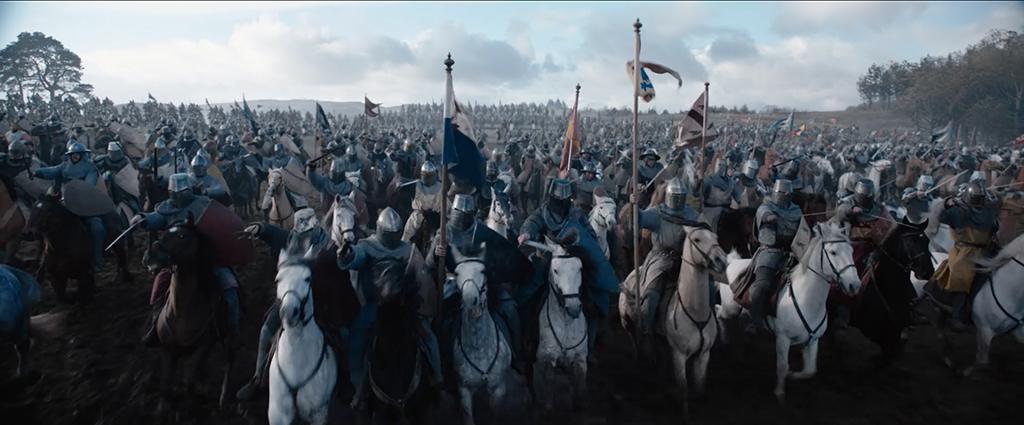
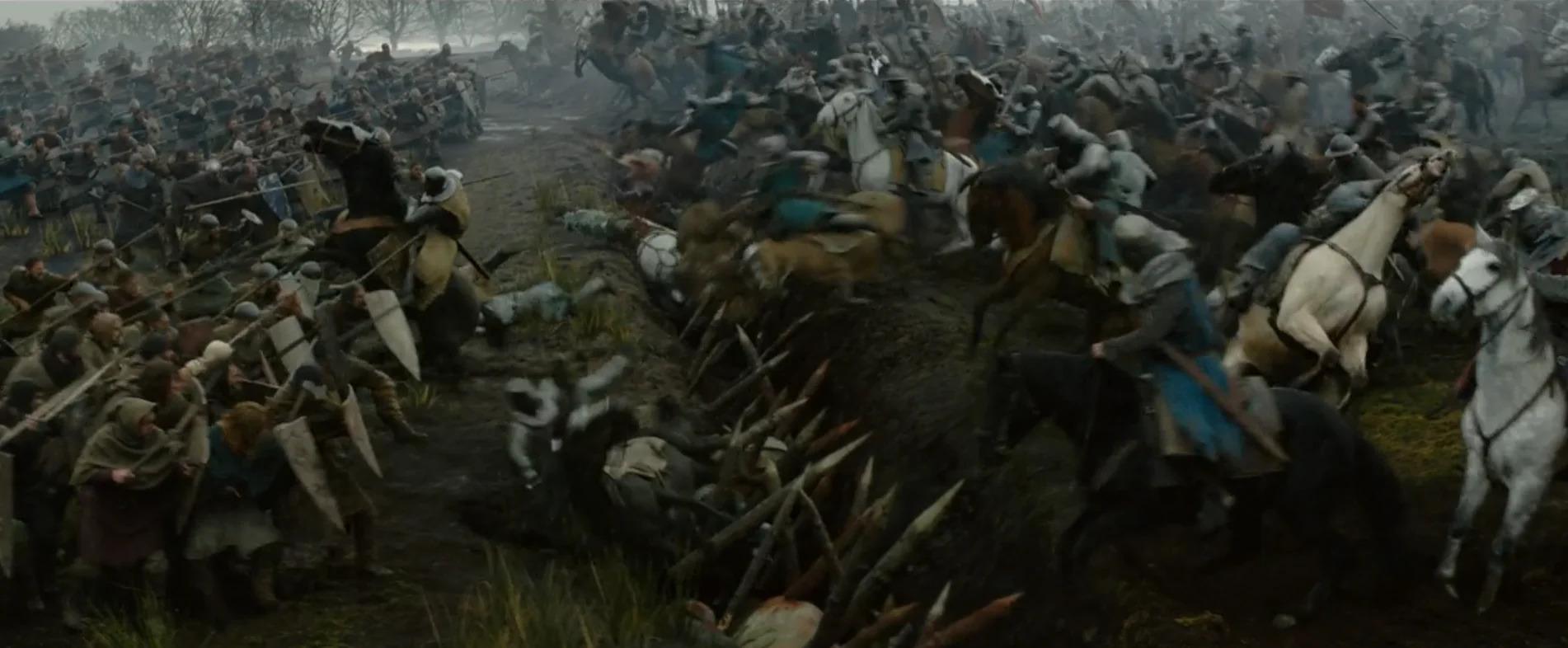
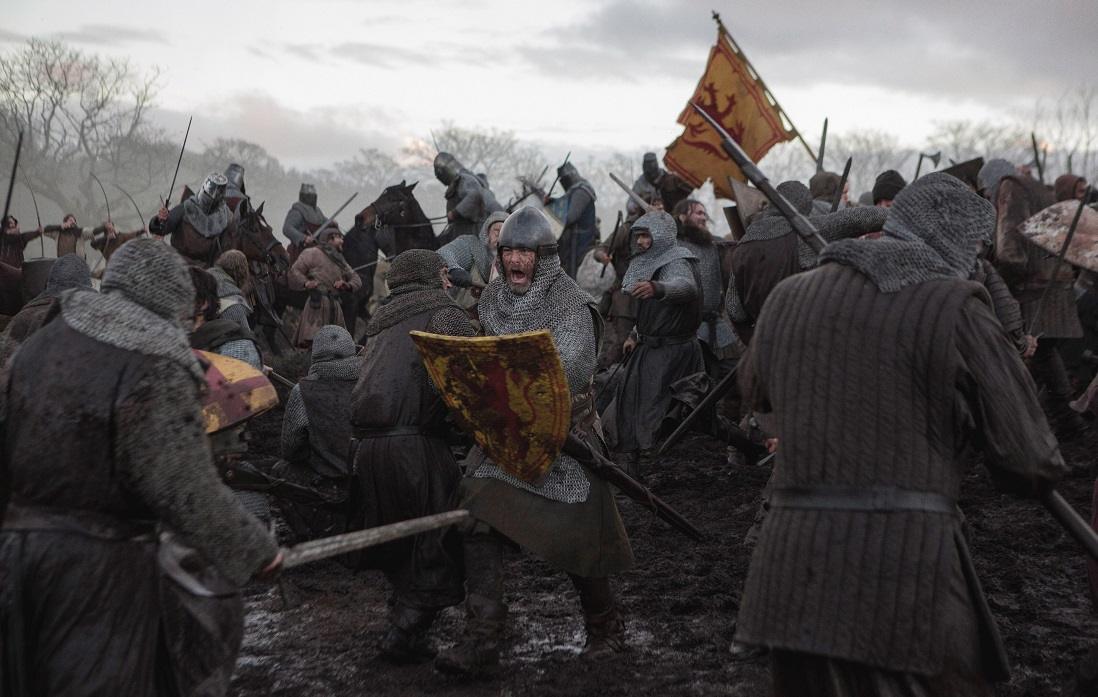
The action of The King Outlaw begins in the turbulent times of the struggle for Scottish independence, painting a picture of Scotland on the threshold of one of the most important conflicts in its history. At the centre of this epic narrative is Robert the Bruce, a nobleman and warrior whose heart is won not only by his love of family but also by his passion for freedom. His struggle, though full of determination and courage, soon encounters obstacles that go beyond mere military conflict. Robert, full of chivalrous zeal, is drawn into the vortex of political intrigue and the brutal actions of the English army, which will stop at nothing to maintain its hold over Scotland. In the background of this personal tale, events unfold that will lead to one of the most important moments in Scottish history - the Battle of Loudoun Hill. This decisive conflict is not just a backdrop for the development of the characters and their interactions, but also a symbol of the national struggle for independence, unity and identity.
The film portrays Scotland's journey to unification with virtuosity, showing both the dark and light sides of medieval realities. Robert, in his passion and determination, becomes a symbol of chivalric courage, willing to stand up to injustice and harm, even in the face of great risk. His love for his wife, who must face her own tragedies, including the cruelty and cunning of the English army, further emphasises the universal themes of love, sacrifice and the struggle for happiness. The character of James Douglas adds another dimension to the story, representing suffering and determination to seek justice for the wrongs inflicted by the invaders. His tragic struggle highlights the brutality of the era and the human cost of great historical conflicts. The Battle of Loudoun Hill is portrayed not only as a military victory, but also as a watershed moment when diverse forces within the country united against a common enemy. This aspect of the film emphasises the importance of national and social unity in the face of external threats. „King Outlawed”, although set in a specific historical moment, speaks of universal values that remain relevant. By depicting the fate of Robert and his loved ones, the film sheds light on the eternal quest for freedom, honour and dignity, making the story not only an epic tale of the past, but also a parable of the constant struggle between good and evil.
Atmosphere and Music
The medieval atmosphere of The King Outlaw is enhanced by the unforgettable music composed by James Newton Howard, whose majestic sound perfectly captures the emotional tension and heroic tone of this epic tale. Howard's compositions, with their depth and drama, perfectly compliment the film's narrative, adding an emotional layer that enriches the visual and story aspects of the work. The music is not just a backdrop; it becomes an integral part of the world depicted, emphasising its multidimensionality and helping the audience to immerse themselves even more deeply in the medieval realities.
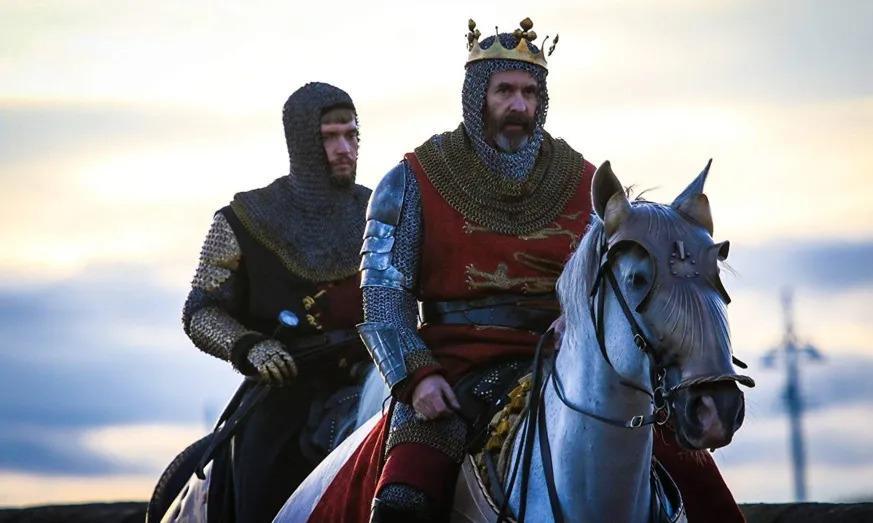
In addition, the authenticity and historical fidelity of the scenery and costumes contribute to a unique atmosphere that transports the audience deep into 14th century Scotland. Every scenic element, from the picturesque landscapes to the details of the clothing, has been meticulously designed to replicate the look and spirit of the period. As a result, the film offers not only a visual spectacle, but also an educational journey back in time to better understand and appreciate the richness of medieval culture and tradition.
History and Fidelity to Detail
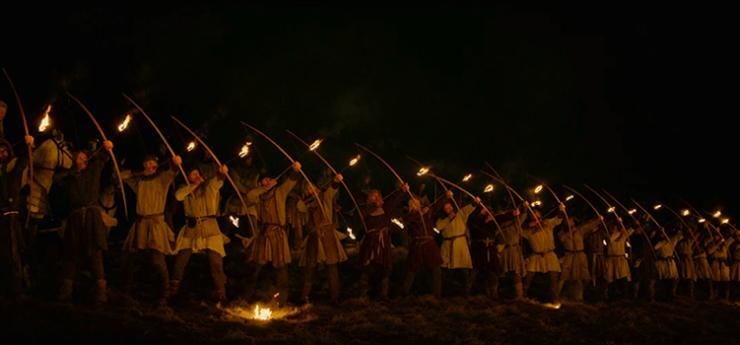
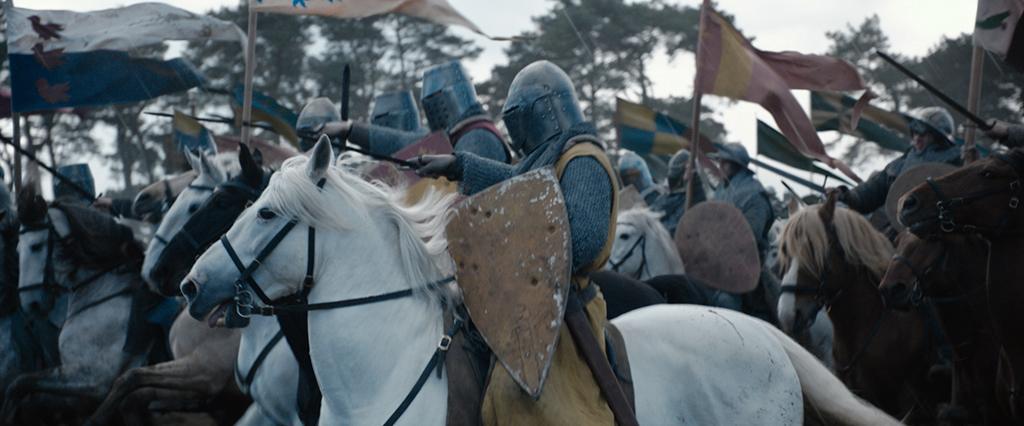
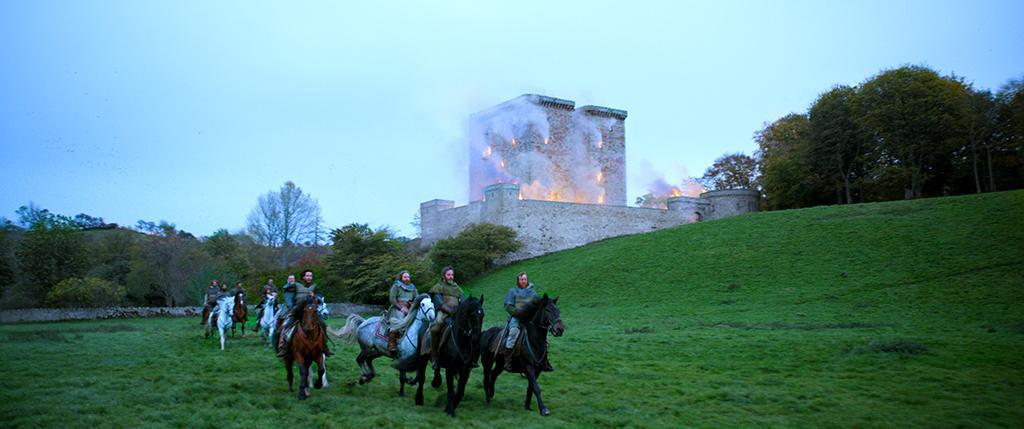
„King Outlaw” is a film that passionately captures the spirit of the age, reconstructing medieval armour, weaponry and battle tactics. The visualisation of the Battle of Loudoun Hill, realised with impressive attention to detail, remains one of the most spectacular achievements in cinema history. The accurate depiction of the clothing, architecture and customs of the era makes the film not only an artistic work, but also a valuable source of knowledge about the Middle Ages.

Cultural relevance
„King Outlaw” is not only a film about an important moment in Scottish history, but also a work that has contributed to national identity and historical memory. Its release in modern times has given the film a special significance as a symbol of courage, patriotism and steadfastness. „King Outlaw” is a film that successfully transcends time, offering audiences not only an epic historical tale, but also profound reflections on honour, love and sacrifice. It is an indispensable part of world film culture, being both a work of art and an important historical document.
Link to watch the video: https://www.cda.pl/video/11942537c2


